Paneer Whey Uses: 5 Practical Ways to Stop Wasting This Golden Liquid
When you make paneer whey, the liquid left over after curdling milk to make fresh Indian cheese. Also known as chhana whey, it’s not waste—it’s a hidden ingredient with protein, minerals, and flavor that most people throw away. Every time you strain paneer, you’re pouring out something valuable. That clear, slightly tangy liquid isn’t just water—it’s the soul of the milk, stripped of fat but still rich in lactose, calcium, and milk proteins. Skip the sink. Use it.
Think of paneer whey, the liquid byproduct of homemade paneer. Also known as chhana whey, it’s a natural, unprocessed ingredient that behaves like a mild, milky broth. It’s not the same as buttermilk or yogurt water. It’s cleaner, less sour, and perfect for replacing water in recipes where you want extra nutrition without changing flavor. You can use it to cook rice, knead roti dough, or even make soups taste richer without adding cream. It’s the secret behind softer idlis and fluffier parathas in many North Indian kitchens. And yes—it works in baking too. Swap milk or water for paneer whey in pancakes, muffins, or naan. Your bread will stay moist longer, and you’ll get a subtle dairy boost without extra calories.
Some people use it to soak lentils before cooking—paneer whey softens them faster and reduces cooking time. Others add a splash to dal tadka for a hint of creaminess without fat. In Punjab, it’s common to use it as a base for refreshing drinks mixed with a pinch of salt, cumin, and lemon. It’s like a lighter version of chaas. And if you’re into fermented foods, let it sit out for a day or two—it turns into a natural starter for dosa or idli batter, just like traditional rice water. No need to buy commercial cultures. Your whey does the job.
You might wonder: isn’t this just skim milk? Not quite. Paneer whey still has some casein and whey proteins that didn’t curdle, plus the natural sugars from the milk. That’s why it thickens slightly when boiled and gives body to soups. It’s not a replacement for stock, but it’s a better one than plain water. And if you’re trying to cut down on food waste, this is one of the easiest wins. You’re not buying anything new. You’re just using what’s already in your kitchen.
Below, you’ll find real recipes and tips from home cooks who refuse to waste this liquid. From using it in smoothies to reviving stale bread, these aren’t fancy chef tricks—they’re practical, everyday hacks passed down in Indian households. You don’t need special tools. Just a bowl, a strainer, and the willingness to try something new.
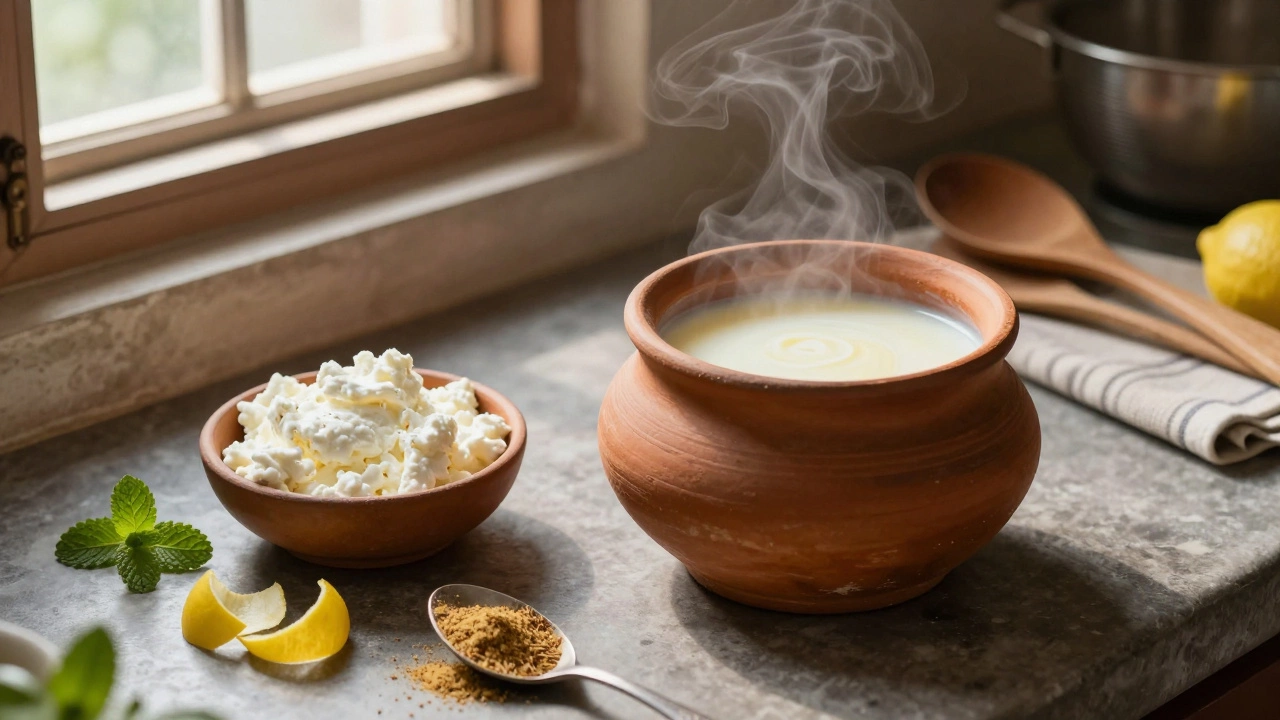
Can You Drink Whey After Making Paneer? Here's What Actually Happens
Yes, you can drink whey after making paneer at home. It's nutritious, safe if handled properly, and used traditionally in Indian kitchens. Learn how to drink it, use it in cooking, and avoid common mistakes.