Paneer in English: What It Is, How It's Used, and Best Substitutes
When you hear paneer, a fresh, unaged Indian cheese made by curdling milk with acid like lemon juice or vinegar. Also known as Indian cottage cheese, it doesn’t melt like cheddar or mozzarella—it holds its shape when fried, grilled, or simmered in spicy gravies. That’s why it’s the star of dishes like palak paneer, paneer tikka, and mattar paneer. Unlike Western cheeses, paneer isn’t aged or salted heavily. It’s simple: milk, acid, and pressure. You can make it at home in under an hour with just milk and lemon juice, which is why it’s so common in Indian kitchens.
People often ask if paneer is the same as cheese, a broad category of dairy products made by coagulating milk proteins and aging them with cultures or enzymes. The answer? Not really. Most cheeses use rennet and take weeks to develop flavor. Paneer skips all that. It’s fresh, mild, and chewy. That’s also why it’s a favorite for vegetarians—it’s high in protein, low in fat (if made with skim milk), and doesn’t need refrigeration for a day or two. If you’re trying to cut down on saturated fat, paneer vs cheese, a comparison often made when choosing healthier protein sources in Indian cooking usually favors paneer. But if you’re out of paneer, you’re not stuck. Halloumi, queso blanco, and even firm tofu can step in if you need something that won’t turn to mush in a curry.
What you’ll find in the posts below isn’t just recipes. It’s the real talk about why paneer behaves the way it does in your pan, what happens when you use the wrong milk, and which cheese substitutes actually work without ruining your dish. You’ll learn how lemon juice turns milk into curds, why some store-bought paneer crumbles, and what to grab at the grocery store when the Indian market is closed. No fluff. Just what you need to cook with confidence.
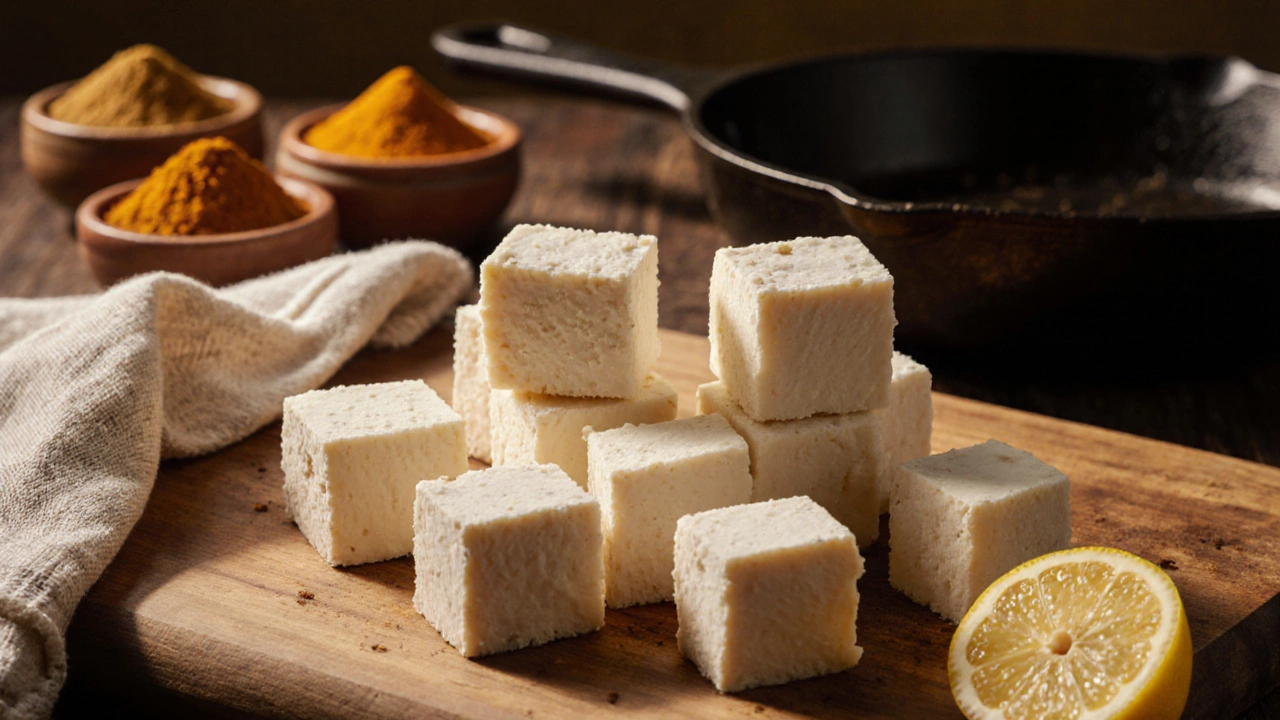
What Is Paneer Called in English? The Simple Truth About This Indian Cheese
Paneer doesn't have a direct English name-it's a fresh, non-melting Indian cheese made from milk and acid. Learn how to make it at home, why substitutes fail, and how to use it in recipes.