Moong Dal Nutrition: What It Really Does for Your Health
When you think of moong dal, a split yellow lentil widely used in Indian cooking. Also known as mung bean dal, it's one of the easiest legumes to digest and one of the most nutrient-dense foods in Indian kitchens. It’s not just a side dish—it’s a daily health booster. Unlike heavier lentils, moong dal cooks fast, doesn’t bloat your stomach, and gives you clean energy without the heaviness. People in India have eaten it for centuries, not just because it’s cheap, but because it works—especially for kids, seniors, and anyone trying to eat better without fancy supplements.
What’s inside a cup of cooked moong dal? About 14 grams of protein, a plant-based protein that supports muscle repair and keeps you full longer, 15 grams of fiber, and almost no fat. It’s also loaded with folate, potassium, and iron—all things your body needs but often doesn’t get enough of. Compare that to white rice or bread, and you’ll see why moong dal is a smarter carb. It doesn’t spike your blood sugar. Instead, it slows digestion, helping you stay steady through the day. That’s why it’s often recommended for diabetics and people watching their weight. And yes, it’s gluten-free, making it safe for anyone avoiding wheat or processed grains.
Moong dal isn’t just about protein and fiber. It’s also rich in antioxidants like vitexin and isovitexin, which help fight inflammation. That’s why it’s used in Ayurveda for detoxing and cooling the body—especially in hot weather. You’ll find it in soups, khichdi, sprouted salads, and even sweet desserts like moong dal halwa. And because it’s so mild in flavor, it pairs with almost anything: spices, tomatoes, coconut milk, or just a squeeze of lemon. You don’t need to be a chef to use it well.
There’s a reason why every Indian household keeps a bag of moong dal in the pantry. It’s not a trend. It’s tradition backed by science. Whether you’re eating it as a light lunch, a post-workout meal, or a baby’s first solid food, moong dal delivers real results. Below, you’ll find real recipes, practical tips, and answers to the questions people actually ask—like how to cook it so it’s soft but not mushy, whether sprouted moong dal is better, and how it stacks up against other lentils like toor dal or chana dal. No fluff. Just what works.
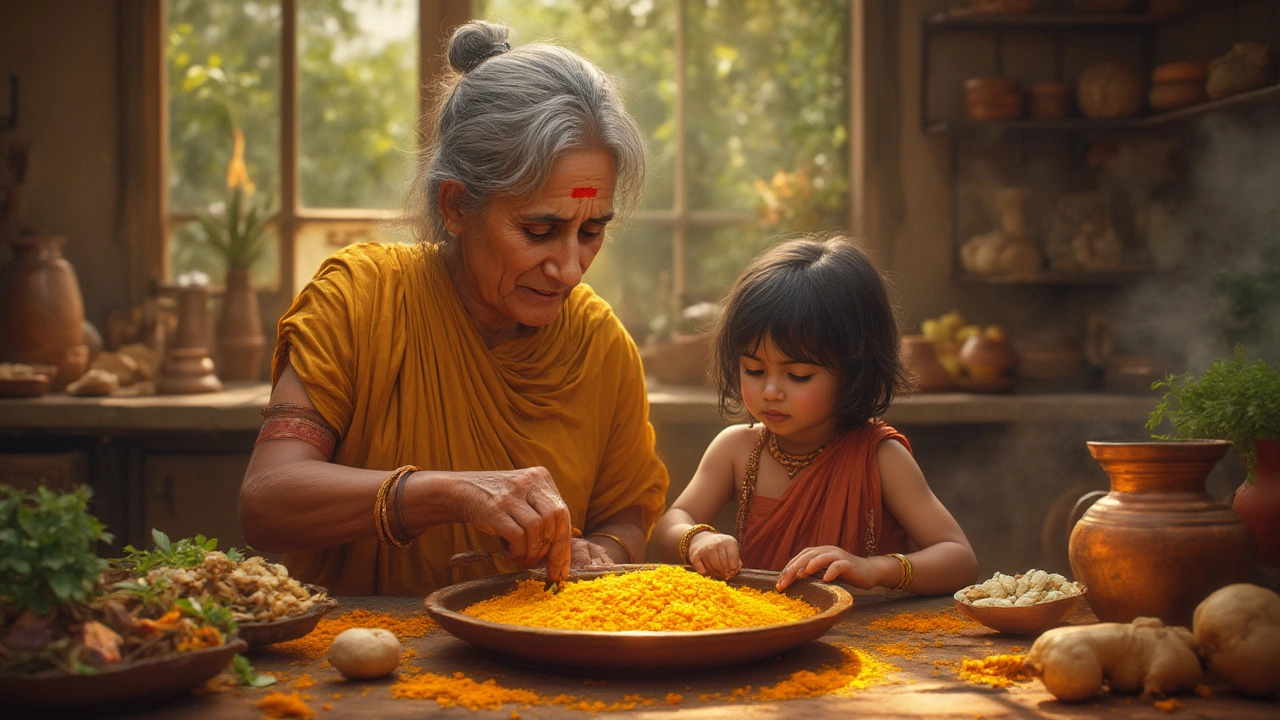
India’s Healthiest Food: Why Moong Dal Tops the List for Nutrition & Wellness
From ancient Ayurveda to modern kitchens, discover why moong dal stands tall as India’s number one healthiest food and how to make the most of it every week.