Lentil Prep: How to Clean, Soak, and Cook Lentils Like a Pro
When you're making lentil prep, the process of cleaning, sorting, and preparing dried lentils before cooking. It's not just washing—it's the first step to avoiding grit, reducing cook time, and unlocking full flavor. Skip this, and you’ll end up with gritty dal or mushy lentils that fall apart in your curry. Whether you’re making a simple lentil prep for everyday dal or prepping for a festive dish like masoor dal tadka, how you handle the lentils before cooking changes everything.
Indian lentils, a broad category of dried legumes used daily across India, from red masoor to green moong and black urad. Also known as dals, they’re the backbone of vegetarian meals, packed with protein and easy to digest when prepped right. You don’t need fancy tools—just a bowl, running water, and five minutes. Start by spreading them on a clean surface. Pick out any tiny stones, discolored beans, or shriveled pieces. Rinse them under cold water two or three times until the water runs clear. That’s it. No need to soak most lentils unless you’re using whole ones like chana or urad. Split lentils like masoor or toor cook fast—15 to 20 minutes on the stove. Whole lentils? Soak them for 2 to 4 hours to cut cooking time in half and make them easier on your stomach.
lentil cooking, the process of transforming prepped lentils into tender, flavorful dishes using water, spices, and heat. The trick isn’t just boiling—it’s controlling the water. Too much, and your dal turns to soup. Too little, and it burns. Use a 1:2.5 ratio of lentils to water for most recipes. Add a pinch of turmeric and a teaspoon of oil to prevent foaming. Bring it to a boil, then lower the heat. Let it simmer gently. Stir once or twice. That’s how you get creamy, not gluey, lentils. If you’re making dal for biryani or pairing it with tandoori chicken, you want it thick enough to cling to rice but still spoonable.
And don’t forget the lentil recipes, a wide range of Indian dishes built around cooked lentils, from simple dals to complex regional specialties. Every region has its own version—south India’s sambar with tamarind and drumsticks, north India’s dal makhani slow-cooked with cream, or the quick-to-make yellow moong dal with cumin and garlic. Each one starts with good prep. If your lentils taste flat, it’s not the spice blend—it’s the prep. Clean them right, soak if needed, cook with care. That’s how you go from bland to brilliant.
Below, you’ll find real recipes and fixes from people who’ve been there—flat roti, watery dal, or that weird liquid in chicken. But for lentils? It’s all about getting the basics right. Once you master lentil prep, you’ll wonder why you ever skipped it.
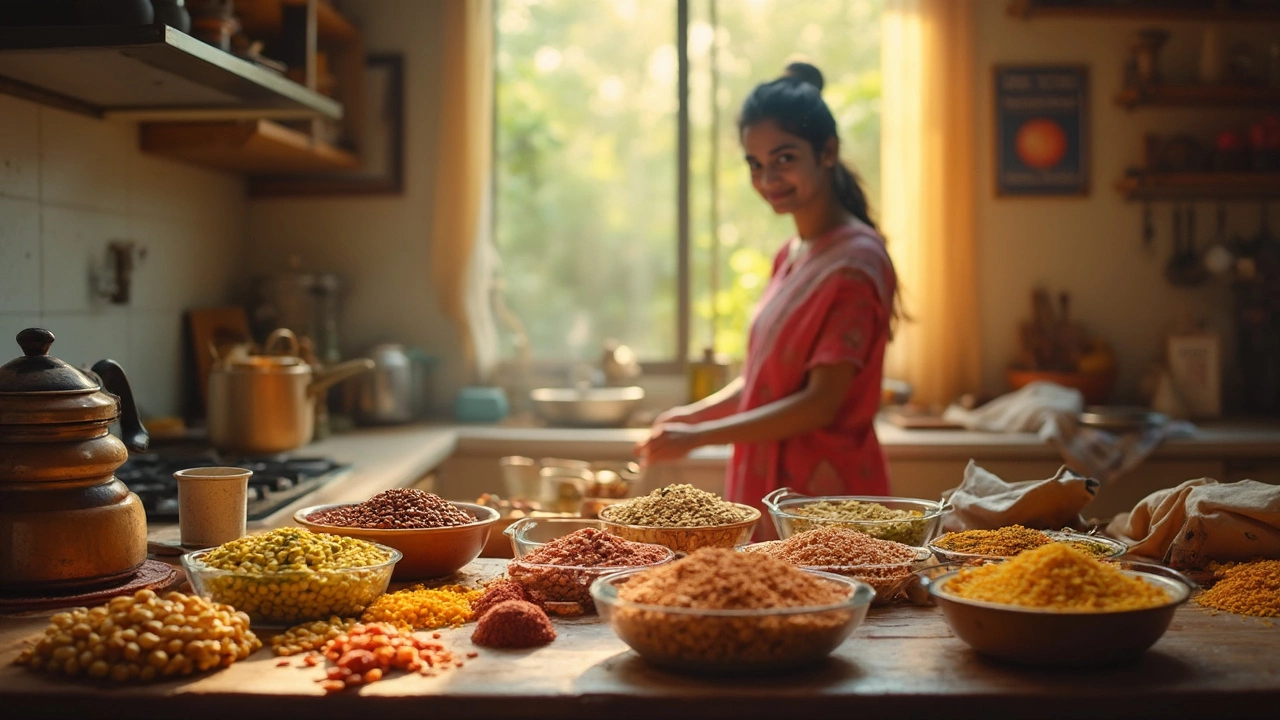
Which Pulses Need Soaking? Simple Dal Tips for Every Kitchen
Struggling to figure out which pulses need soaking before cooking? This article breaks down the essentials, explaining which dals benefit from soaking and why it matters. You'll get clear advice, real-life cooking hacks, and a deeper look at how soaking changes your favorite dal dishes. Find out which pulses you can toss straight into the pot and which ones need a little extra planning. Take the guesswork out of dal prep and make your kitchen routine smoother.