Indian Recipes: Authentic Dishes, Key Ingredients, and Cooking Secrets
When you think of Indian recipes, a vibrant, spice-driven collection of regional dishes rooted in tradition, seasonality, and family practices. Also known as Indian cuisine, it’s not just about curry—it’s about layers of flavor built through technique, not just ingredients. From the smoky char of tandoori chicken, a marinated grilled dish famous for its deep red color and tender texture, achieved with Kashmiri chili and yogurt to the fluffy, aromatic rice in biryani, a layered rice dish cooked with spices, meat or vegetables, and slow-steamed to perfection, every meal tells a story. These aren’t just meals—they’re rituals. The way you toast cumin, when you add lemon juice to milk for paneer, a fresh, non-melting cheese made by curdling milk with acid, used in curries, snacks, and grills across India, or how you balance sweet, sour, and spicy in chutney, a condiment made from fruits, herbs, or vegetables, often used to cut through rich dishes—each step matters.
Indian recipes don’t rely on fancy tools or rare imports. They use what’s local, what’s fresh, and what’s been passed down. That’s why a flat roti isn’t a failed recipe—it’s a sign your dough didn’t rest long enough or your tava wasn’t hot enough. That’s why biryani doesn’t get its smell from curry powder—it’s from saffron, kewra water, and slow steaming. And that’s why you can’t just swap paneer for mozzarella in a curry and expect it to hold up. Each ingredient has a job. The real magic isn’t in the spice rack—it’s in the timing, the heat, the patience. Whether you’re making dosa with the right oil, figuring out why your chicken releases liquid before cooking, or hunting for the best chutney substitute when you’re out of mint, these recipes are built for real kitchens, not just Instagram.
What you’ll find here isn’t a list of generic curry recipes. It’s the answers to the questions you actually ask in your kitchen: Why won’t my roti puff? What’s the cheapest way to get that tandoori red? Can I use halloumi instead of paneer? Is rice water really good for weight loss? You’ll learn how to fix mistakes, understand why certain spices work together, and discover what makes an Indian meal feel complete—not just tasty, but balanced. From the ₹2.5 lakh gold-leaf laddoo to the humble idli breakfast in Tamil Nadu, this collection covers the full spectrum of Indian food—practical, flavorful, and deeply rooted in how people actually cook at home.

Which Sweet Is Invented in India? Iconic Indian Sweets Explained
Ever wondered which sweets actually come from India? This article digs into the fascinating origins of famous Indian desserts, sharing stories, quick facts, and recipe tips. You’ll find out which treats were first made in India, how they’ve changed over time, and why they matter during celebrations. Plus, get handy advice if you want to try making real Indian sweets at home. Perfect for anyone who loves mithai or just wants to cook something different.
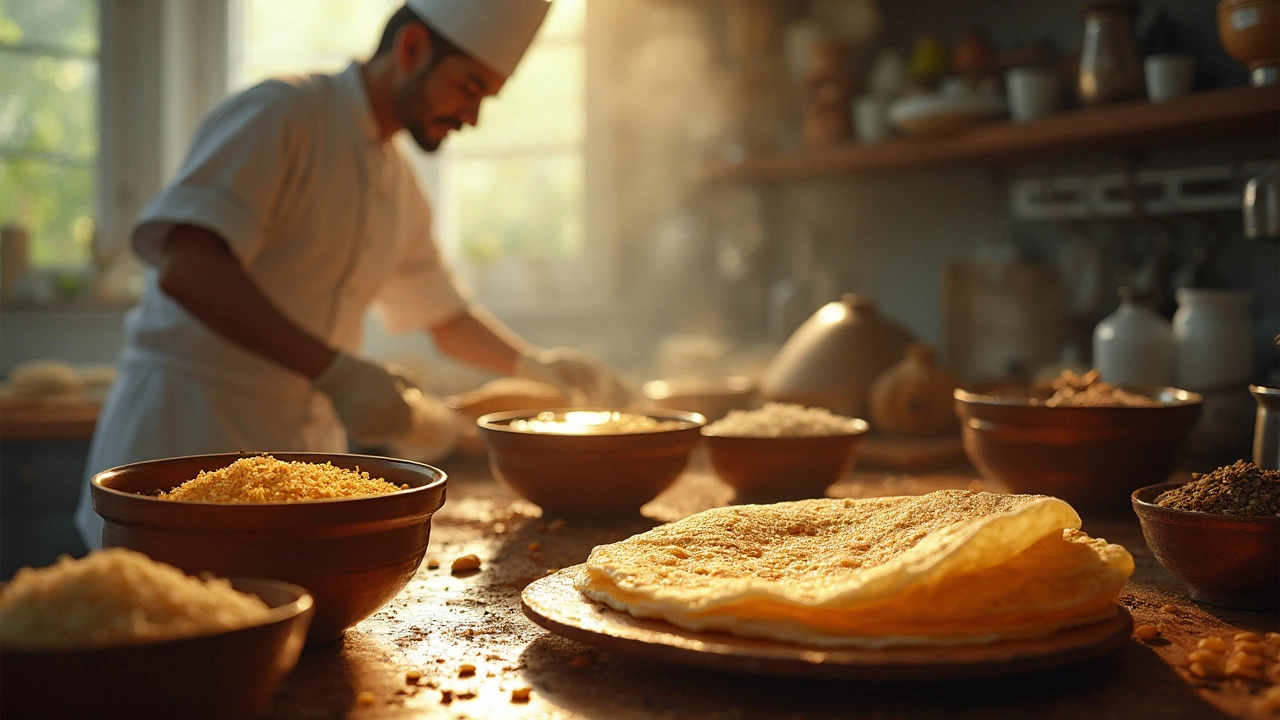
Why Crispy Dosa Batter Texture Eludes You: Common Mistakes and Fixes
Crispiness in dosa can be elusive, often hampered by simple mistakes in batter preparation or fermentation. If your dosa batter isn't yielding the crispiness you're aiming for, fear not, there are solutions and hacks to achieve that perfect texture. This article delves into common missteps like incorrect proportions, improper fermentation, and the role of ingredients. We’ll explore practical tips and tricks for achieving crispy, mouth-watering dosas every single time. Discover how factors like temperature and cooking techniques can make or break your dosa experience.