Homemade Paneer Whey: What It Is, How to Use It, and Why It Matters
When you make homemade paneer whey, the liquid left behind after curdling milk with lemon juice or vinegar to make fresh Indian cheese. Also known as paneer whey, it’s the clear, slightly tangy runoff you usually pour down the drain—but you shouldn’t. This isn’t waste. It’s a nutrient-rich byproduct of paneer making, a simple process that turns milk into firm, non-melting cheese using acid. It’s the same technique used for centuries across India, from village kitchens to urban homes. The whey contains proteins, calcium, and lactose that didn’t get trapped in the curds. Throwing it away means losing flavor, nutrition, and money.
Think of it like the broth from boiling beans or the liquid from strained yogurt—it’s not trash, it’s treasure. You can use homemade paneer whey, the liquid leftover after making paneer. Also known as paneer whey, it’s packed with protein and flavor to replace water in roti or paratha dough. It makes bread softer, richer, and slightly tangy. Try it in idli or dosa batter—it helps fermentation and adds depth. Some people even use it to cook dal or make soups, because it carries the subtle milky flavor of the cheese-making process. It’s not a secret trick—it’s just smart cooking.
Why does this matter? Because most people don’t realize how much they’re wasting. A single batch of paneer can leave you with nearly a cup of whey. That’s enough to boost the protein in your morning smoothie, replace milk in your next batch of kheer, or even tenderize chicken before grilling. It’s a natural, unprocessed ingredient that’s already in your kitchen. You don’t need to buy fancy protein powders or plant-based milks. Just save the whey.
And if you’re making paneer at home, you already know how easy it is. You need milk, acid (lemon juice or vinegar), and heat. The whey is the quiet sidekick in that process. It doesn’t get the spotlight like the cheese does, but it’s just as useful. Skip the discard step. Start saving it. You’ll find yourself using it more than you expect.
Below, you’ll find real posts from home cooks who’ve figured out how to turn this overlooked liquid into something valuable—from baking secrets to health hacks. No fluff. No theory. Just what works in the kitchen, day after day.
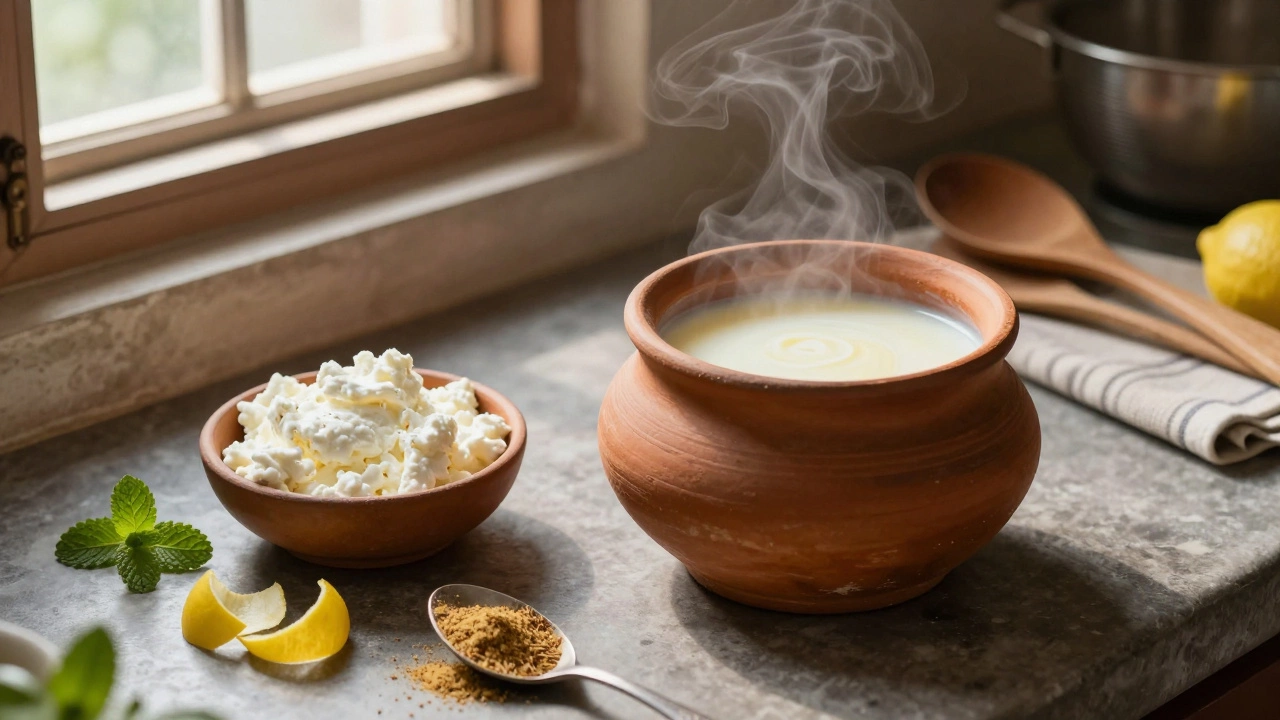
Can You Drink Whey After Making Paneer? Here's What Actually Happens
Yes, you can drink whey after making paneer at home. It's nutritious, safe if handled properly, and used traditionally in Indian kitchens. Learn how to drink it, use it in cooking, and avoid common mistakes.