Healthy Biryani: How to Make Flavorful, Nutritious Indian Rice Dishes
When you think of healthy biryani, a fragrant, layered rice dish from India that’s often loaded with ghee, fried onions, and fatty meats. It’s not just a meal—it’s an experience. But you don’t need to give up flavor to make it better for your body. Swap out heavy oils for heart-friendly alternatives, use brown or red rice instead of white, and load up on veggies and lean proteins. This is still biryani—just smarter. Many people assume Indian food is inherently unhealthy, but that’s not true. It’s how it’s made. Traditional biryani gets its depth from slow-cooked spices like cardamom, cinnamon, and cloves—not from excess fat. The real secret? Layering flavors, not calories.
One key shift is replacing paneer, a fresh, non-melting Indian cheese often used in curries and sometimes in biryani. It’s high in protein and low in fat when made with skim milk with lean chicken or lentils. You can also cut back on fried onions by roasting them with a light spray of oil. And instead of drowning the rice in butter, use a touch of ghee or olive oil for aroma. The spices do the heavy lifting. Saffron, kewra water, and fresh mint aren’t just for show—they add complexity without adding sugar or salt.
There’s a big difference between biryani that’s rich because of technique and biryani that’s rich because of overload. The best versions use whole grains, more vegetables like carrots and peas, and cook in a way that locks in moisture without drowning the rice. You’ll find posts here that show you exactly how long to bake it for perfect texture, what spices create that unforgettable aroma, and even how to replace paneer with cheeses that hold up in heat. You’ll also see how to pair it with cooling raita or swap out white rice for fiber-rich alternatives without losing that comforting, restaurant-style feel.
Healthy biryani isn’t a contradiction. It’s a reset. It’s about honoring the tradition while making choices that fit your life. Whether you’re cooking for family, meal prepping, or just tired of greasy takeout, the recipes below give you real options—no gimmicks, no fake substitutes, just better ingredients and smarter steps. You’ll learn how to make biryani that tastes like it came from a street vendor in Hyderabad… but leaves you feeling light, not weighed down.
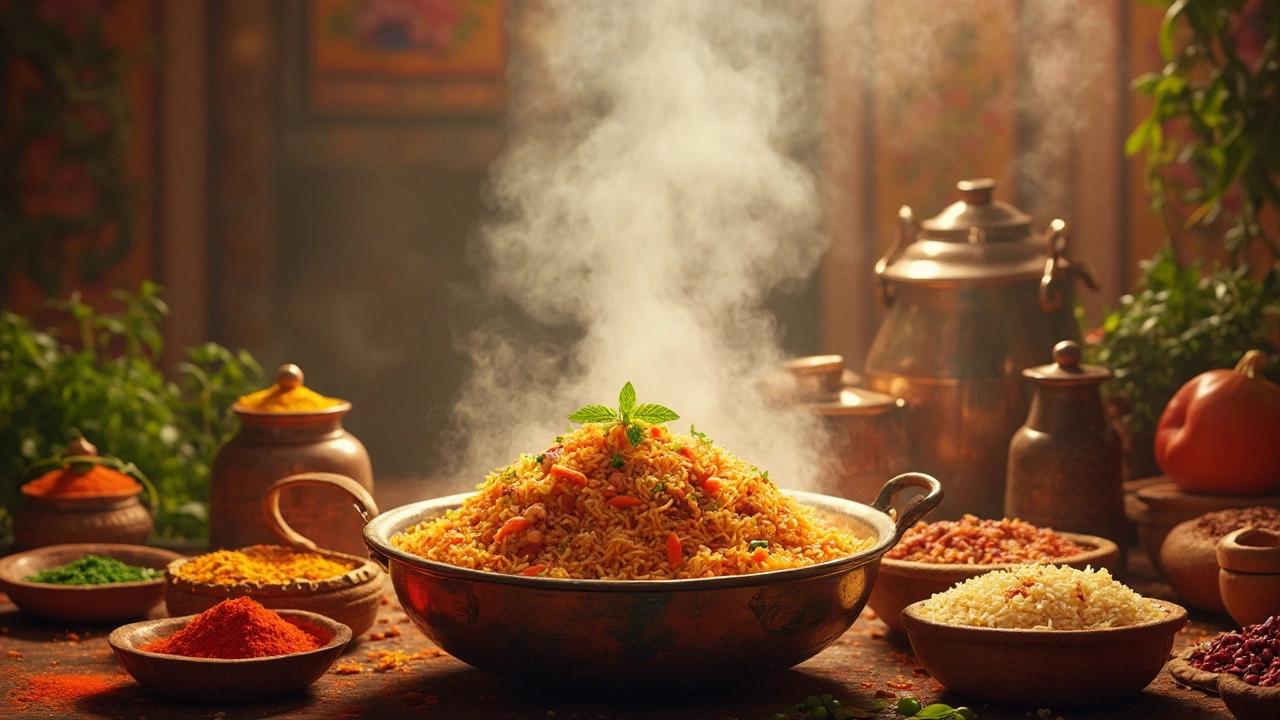
Is Biryani Healthier Than Fried Rice?
Figuring out if biryani is healthier than fried rice can be tricky, given how both dishes are loaded with flavor and calories. Biryani, with its aromatic spices and layered flavors, can provide more nutritional variety and beneficial attributes if you make some smart ingredient choices. Meanwhile, fried rice tends to be heavier in oils and less diverse in nutrients, often making it less suitable for the health-conscious eater. This article explores the health aspects and tips to make both dishes leaner and more nutritious.