Halal Food in Indian Cuisine: What It Means and How It Shapes Popular Dishes
When we talk about halal, food prepared according to Islamic dietary laws that permit what is lawful and exclude what is forbidden. Also known as permissible food, it isn’t just about avoiding pork or alcohol—it’s a whole approach to sourcing, handling, and preparing meat with intention and care. In India, where over 200 million Muslims live, halal isn’t a niche trend—it’s woven into everyday cooking. From the slow-cooked biryanis of Hyderabad to the smoky tandoori chicken in Delhi street stalls, halal practices shape flavor, technique, and trust in the kitchen.
Halal isn’t just a label. It’s a process. The animal must be slaughtered by a Muslim who recites a prayer, the blade must be sharp, and blood must be fully drained. This method affects texture and taste—many say halal meat is cleaner, less gamey, and holds spices better. That’s why restaurants and home cooks who serve halal food often use it as a selling point. You’ll find halal-certified meat in most Indian cities, especially where there’s a strong Muslim community. And it’s not just meat—halal rules extend to how ingredients are handled. No gelatin from pork, no wine in curries, no lard in roti. Even something as simple as ghee needs to come from halal-slaughtered cows to be fully compliant.
Looking at the recipes on this site, you’ll notice a pattern: biryani, a layered rice dish with meat, spices, and saffron, often cooked in a sealed pot is one of the most popular halal dishes in India. So is tandoori chicken, marinated in yogurt and spices, then cooked in a clay oven. Both rely on halal-certified chicken or mutton. Even the spices matter—some traditional blends include rose water or kewra, which are alcohol-free and halal-compliant. You won’t find any recipes here using wine, pork fat, or non-halal gelatin because they don’t belong in this culinary tradition.
What’s interesting is how halal has become part of the broader Indian food identity. Even non-Muslim families often prefer halal meat because of its reputation for quality and cleanliness. It’s not about religion—it’s about trust. And that’s why you’ll see halal labels on everything from packaged spices to frozen chicken in Indian supermarkets. The halal way isn’t restrictive—it’s thoughtful. It forces you to slow down, choose better ingredients, and respect the food you’re making.
Below, you’ll find real recipes and honest tips from cooks who live this every day. Whether you’re wondering how to make biryani with halal meat, what substitutes work when you can’t find halal chicken, or why some Indian curries taste different when made with halal ingredients—everything here is grounded in practice, not theory. No fluff. Just what works in real kitchens across India.
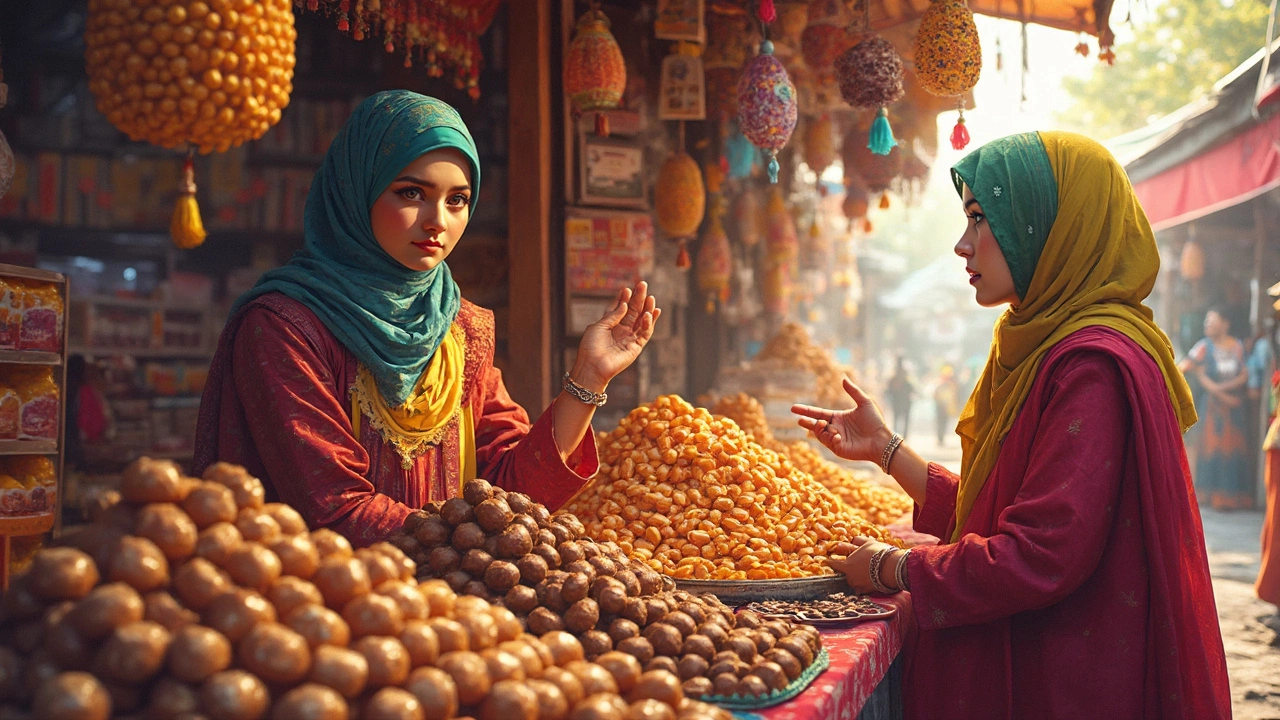
Why Can't Muslims Eat Chocolate?
Ever wondered why some chocolates are off-limits to Muslims? Turns out, many chocolates contain ingredients that aren't halal, like certain emulsifiers and alcohol-based flavorings. This article shows you how to identify halal-friendly chocolates, explores the connection with Indian sweets, and offers tips on finding delicious alternatives.