Fried Indian Snacks: Crispy, Bold, and Perfect for Any Time
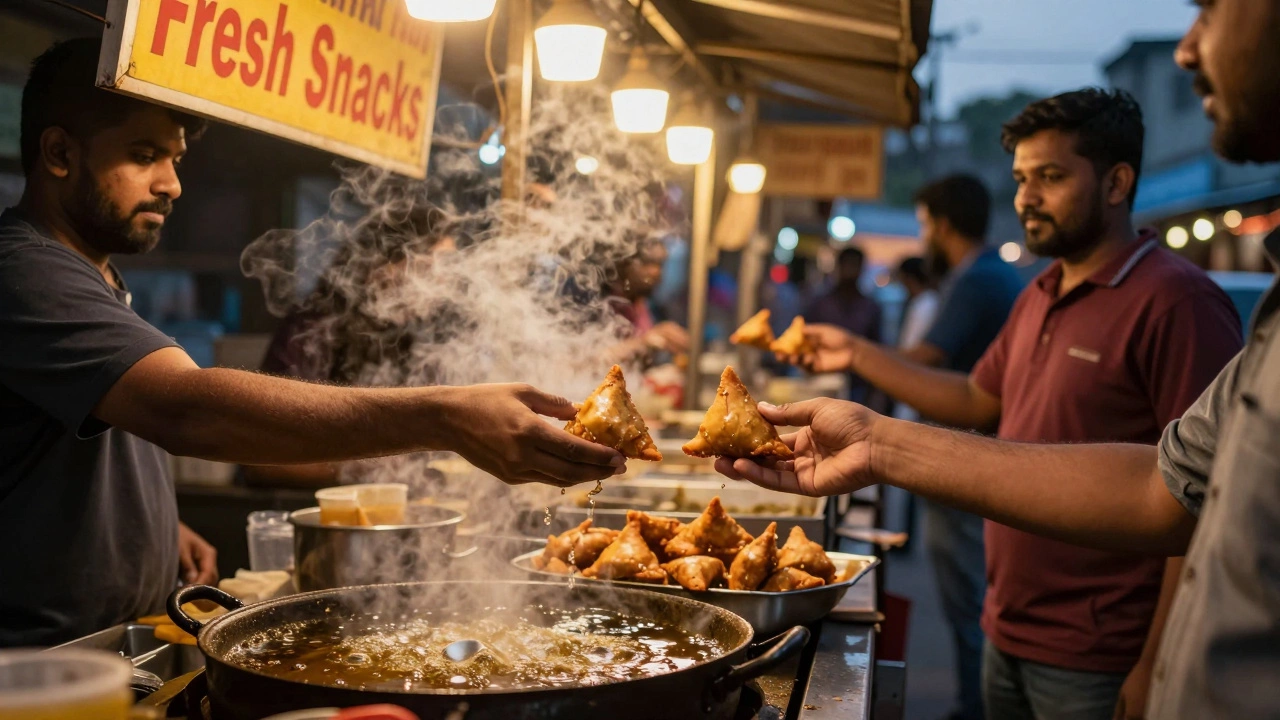
When you think of fried Indian snacks, crispy, spiced bites fried to golden perfection and sold on street corners across India. Also known as Indian fritters, these snacks are more than just food—they’re a daily ritual, a quick fix, and a celebration of texture and flavor. Whether it’s a rainy afternoon or a late-night craving, nothing hits like the crunch of a freshly fried samosa, a triangular pastry filled with spiced potatoes and peas, then deep-fried until crisp, or the golden puff of a pakora, vegetables dipped in chickpea batter and fried until crunchy. These aren’t fancy dishes. They’re simple, smart, and built for speed—using what’s in the pantry, what’s in season, and what your hands can shape in minutes.
Fried Indian snacks don’t need fancy ingredients. Just flour, spices, oil, and something to fry—onions, potatoes, spinach, even cheese. The magic is in the batter: chickpea flour gives pakoras their earthy bite, while rice flour makes bhajjis lighter. The oil? Often mustard or sunflower, heated just right so it doesn’t soak in. You don’t need a tandoor or a pressure cooker. A kadai and a spatula are enough. These snacks are made in homes, by vendors, and in kitchens that don’t have a recipe book—just instinct. They’re tied to monsoons, festivals, and tea breaks. And they’re the reason you’ll find someone frying something in every corner of India, from Delhi to Kerala.
What you’ll find in this collection isn’t just recipes. It’s the stories behind the crunch. You’ll learn why some dosa batters turn sour and still work, how oil choice changes the crispness of your snacks, and why paneer can sometimes replace potatoes in a fritter. You’ll see how chutney isn’t just a side—it’s the balance that makes fried snacks sing. And you’ll find out what happens when you fry the wrong thing, or when the oil’s too hot, or when the batter’s too thick. These aren’t just tips. They’re lessons from real kitchens, tested by people who eat this stuff every day.
What Is the Most Unhealthy Indian Food? Hidden Dangers in Popular Dishes
Some Indian dishes are loaded with fried ingredients, cream, sugar, and refined flour. Learn which ones are the unhealthiest and how to enjoy Indian food without the guilt.