Flat Roti: Simple, Soft, and Perfectly Balanced Indian Flatbread
When you think of flat roti, a thin, unleavened Indian bread made from whole wheat flour, water, and a pinch of salt. Also known as chapati, it’s the quiet hero of Indian meals—no fancy ingredients, no long rise, just pure, reliable comfort. It’s not just bread. It’s the tool you use to scoop up curry, the vessel for dal, the wrap for spicy potatoes, and the thing you tear and dip without thinking. You don’t serve it as a side—you eat it like part of the meal itself.
Flat roti is made with whole wheat flour, a coarse, nutrient-rich flour called atta that gives roti its earthy flavor and slight chew. Unlike bread, it doesn’t use yeast or baking powder. The magic happens in the rolling and the tawa—the flat griddle. Heat, pressure, and a little skill turn a small dough ball into a soft, puffed circle. Some people swear by ghee brushed on top. Others skip it. Either way, the goal is the same: a roti that’s pliable enough to fold, strong enough to hold curry, and just warm enough to melt in your mouth.
It’s not just about the recipe. It’s about the rhythm. The kneading. The way the dough feels under your palms. The sound of it hitting the hot tawa. You’ll find roti in every Indian home—from Mumbai apartments to Punjab villages. It’s the bread that doesn’t need a name tag because everyone knows it. And while some recipes call for a little oil or yogurt, the classic version is simple: flour, water, salt. That’s it. No tricks. No shortcuts. Just time, patience, and a little practice.
You’ll see roti paired with everything in the posts below—from chicken curry to chana masala. You’ll learn how to make it soft, not tough. How to get it to puff up without a gas flame. Why some people use a rolling pin and others use their hands. And how to store it so it stays fresh for days. There’s no one right way, but there are plenty of ways that work. And once you get the hang of it, you’ll wonder why you ever bought bread from the store.
What you’ll find here aren’t just recipes. They’re the small wins—the moments when your roti finally puffed just right, or when your kid asked for seconds. This collection is for anyone who’s ever rolled out a roti that stuck to the counter, burned on the edges, or turned out too hard. You’re not alone. And you’re about to find out how to fix it—every time.
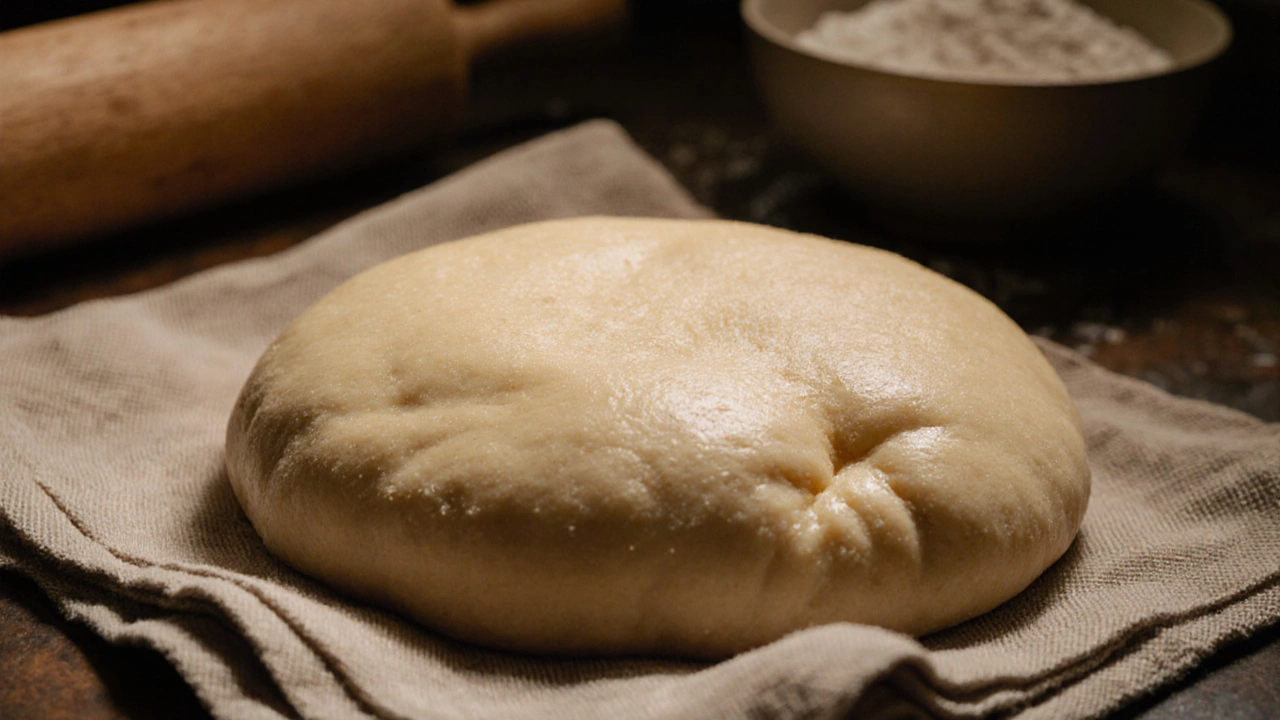
Why Is My Roti Not Puffing Up? 7 Common Mistakes and How to Fix Them
Roti won't puff? It's not the recipe-it's your technique. Learn the 7 common mistakes that keep your roti flat and how to fix them for perfect, airy bread every time.