Everyday Fruits in Indian Cooking: Uses, Benefits, and Hidden Recipes
When we talk about everyday fruits, common, locally grown fruits eaten daily across Indian households. Also known as seasonal fruits, it isn't just about snacking—it's about how these fruits blend into meals, drinks, chutneys, and even medicines. You won't find mangoes in a fruit bowl only during summer; you'll find them in aam panna, aam ka achar, and even mixed into yogurt for breakfast. Bananas aren't just a quick energy boost—they're mashed into idli batter, fried as fritters, or used to tenderize meat in curries. These aren't luxury items. They're kitchen staples, used the way salt or garlic is used—in plain sight, but often unnoticed.
Everyday fruits in India aren't just sweet. They're sour, astringent, and sometimes bitter—just like the spices they're cooked with. Tamarind gives tang to sambar, kokum cools down coastal curries, and raw mangoes turn dal into a sharp, refreshing dish. Even fruits like guava and papaya, often seen as snacks, are ground into chutneys, used in pickles, or boiled into syrups for drinks. The real secret? Indian kitchens don’t treat fruit as dessert. They treat it as a flavor engine. And that’s why you’ll find chutney, a spicy-sweet condiment made from fruits and herbs, essential to Indian meals in almost every home, made fresh daily with whatever’s ripe. It’s not a side—it’s the bridge between rice and curry, between spice and balance.
There’s also a health layer here. People don’t eat an apple because it’s trendy. They eat it because it’s cheap, keeps well, and helps with digestion after a heavy meal. Amla (Indian gooseberry) isn’t just for hair oil—it’s eaten raw with salt, turned into murabba, or mixed with honey for cold season immunity. Even fruits like pomegranate and jamun aren’t just for garnish; they’re used in traditional remedies and daily routines. These aren’t superfoods from a magazine—they’re just food, passed down through generations because they work.
What you’ll find in the posts below isn’t a list of fruit recipes. It’s a look at how Indian homes use these fruits without fanfare. You’ll see how over-fermented dosa batter can be saved with a splash of fruit juice, how whey from paneer can be mixed with banana for a post-workout drink, and why lemon juice isn’t just for taste—it’s what turns milk into paneer. These aren’t fancy ideas. They’re everyday tricks, used by grandmas, street vendors, and home cooks who know that the best flavors come from what grows nearby, not what’s imported.
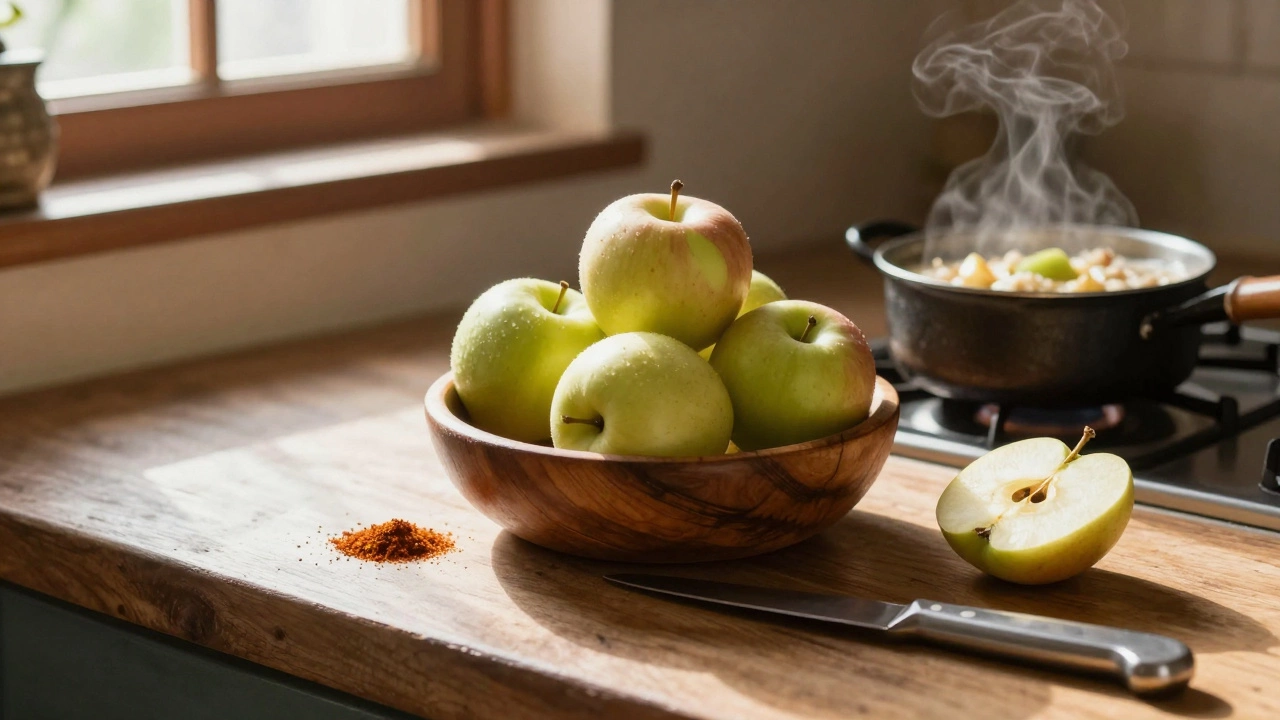
What Fruit Is Okay to Eat Every Day for Healthy Indian Snacks
Learn which fruits are safe to eat every day as healthy Indian snacks-apples, guava, citrus, and more-plus which ones to limit. Simple, science-backed choices for better energy and digestion.