Dosa Recipe: How to Make Crispy South Indian Fermented Crepes at Home
When you think of a dosa, a thin, crispy fermented rice and lentil crepe from South India, often served with coconut chutney and sambar. Also known as dose, it’s one of India’s most beloved breakfasts — simple in ingredients but tricky to get right. A good dosa isn’t just a pancake. It’s the result of time, temperature, and technique. The batter needs to ferment just right — too little and it’s dense, too much and it turns sour. The griddle has to be hot enough to sizzle the batter instantly, but not so hot that it burns before it crisps. And then there’s the oil — the kind you use makes all the difference between a chewy flatbread and a golden, crackling crisp.
What most people don’t tell you is that a perfect dosa starts the night before. It’s not about fancy spices or complicated steps. It’s about patience. You soak rice and urad dal separately, blend them into a smooth, airy batter, and let it sit in a warm corner of your kitchen while it bubbles and grows. This isn’t magic — it’s fermentation. The wild yeast and bacteria in the air do the work. That’s why dosa batter from Chennai tastes different than dosa batter from Bangalore — the local microbes are different. And that’s why store-bought mixes rarely taste the same. You need the real thing. The batter should smell slightly tangy, look frothy, and double in volume. If it doesn’t, you’re not going to get that signature crispness.
The oil you use? That’s the silent hero. Coconut oil gives that authentic South Indian aroma. Ghee adds richness and shine. Sesame oil? It’s bold and nutty, great if you like depth. But don’t use vegetable oil unless you’re okay with a bland, greasy result. The oil isn’t just for cooking — it’s part of the flavor. And don’t pour it all over the pan. A single teaspoon, spread with a cloth or half an onion, is enough. Too much oil and your dosa turns into a fry. Too little and it sticks. It’s a balance.
And don’t forget the accompaniments. A dosa isn’t complete without coconut chutney — fresh, not jarred — and sambar, that tangy lentil stew with tamarind and drumstick. But even if you’re just making one for yourself at 7 a.m., the satisfaction of pulling a perfectly crisp dosa off the griddle? That’s the real reward.
Below, you’ll find real recipes, real fixes, and real tips from people who’ve made hundreds of dosas — the ones that cracked, the ones that stuck, and the ones that turned out just right. Whether you’re struggling with batter consistency, wondering why your dosa won’t crisp, or just trying to figure out which oil works best, you’ll find it here. No fluff. No theory. Just what works.

Should I Add Salt Before Fermenting Dosa Batter? The Science Behind Timing and Taste
Adding salt before fermenting dosa batter can kill good bacteria and prevent rising. Learn why waiting until after fermentation gives you crisp, fluffy dosas every time-even in cool climates.
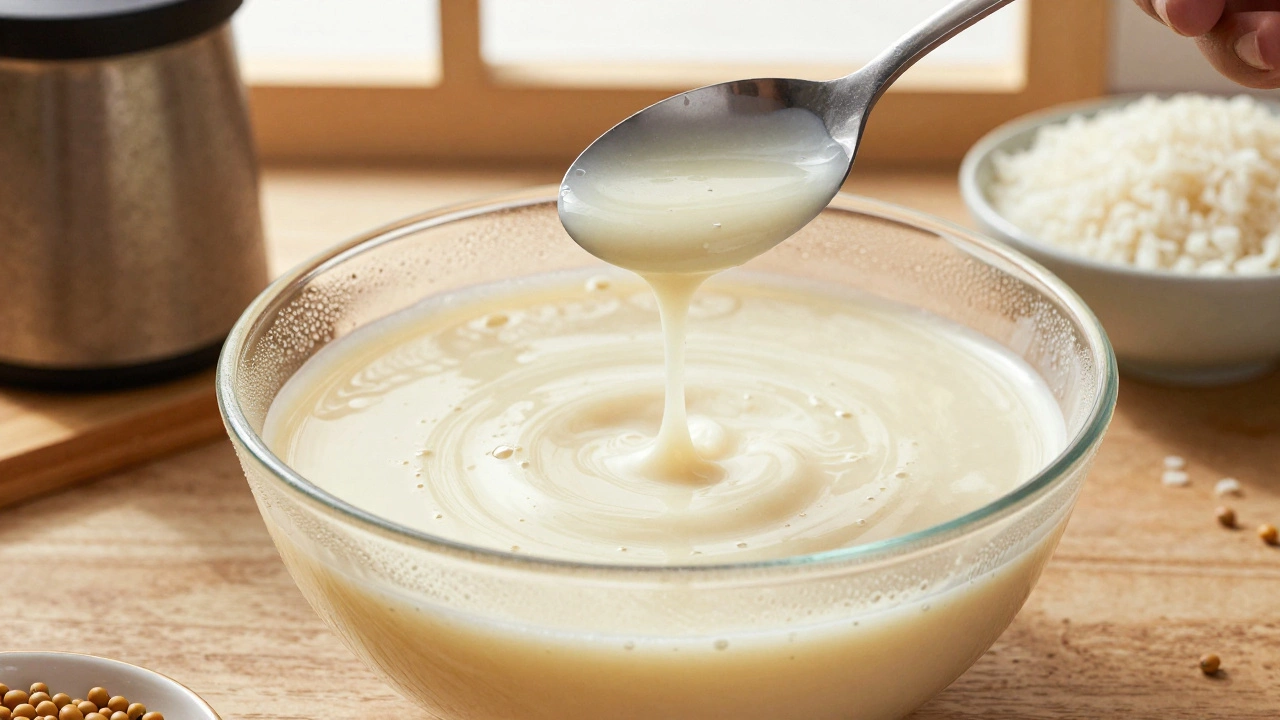
Why Is My Dosa Batter Rubbery? Fix Your Dosa Batter with These Simple Fixes
Your dosa batter turns rubbery because it's under-fermented, too thick, or not ground right. Learn how to fix it with temperature tips, water ratios, and fermentation tricks that actually work.
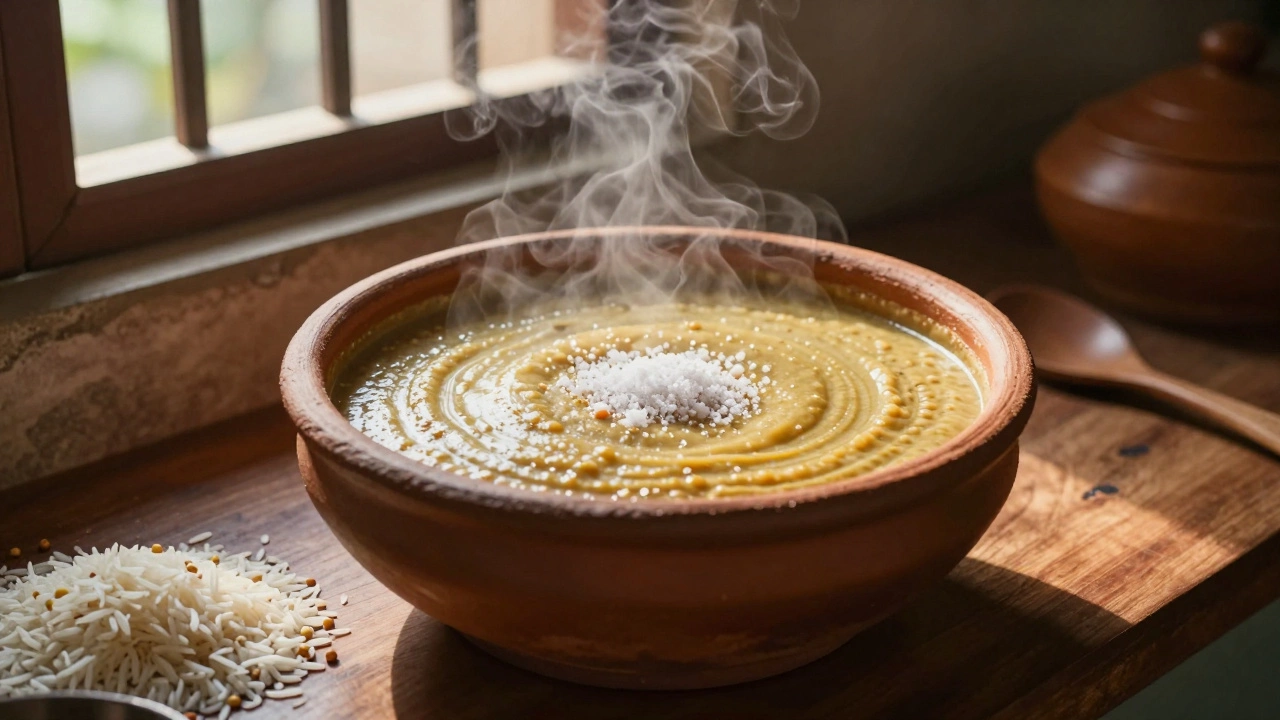
Should We Add Salt to Dosa Batter? The Science Behind the Flip
Adding salt to dosa batter isn't optional - it's essential for flavor and fermentation. Learn the right amount, timing, and type of salt to use for perfect, crispy dosas every time.
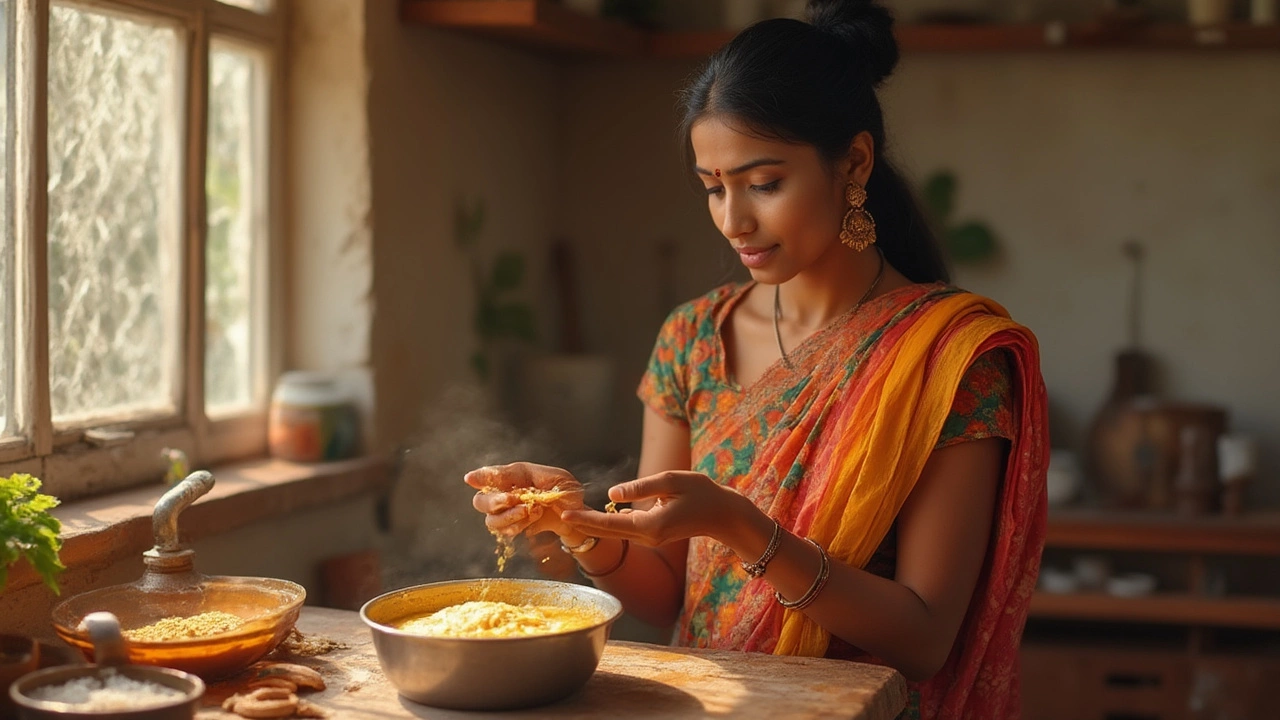
Why Your Dosa Batter Turns Rubbery: Causes, Fixes, and Pro Tips
Discover why dosa batter turns rubbery, how to fix it, and expert tips for perfect crispy dosas every time at home.