Dosa Freshness: How to Keep Dosa Crispy, Fresh, and Tasty Longer
When you think of dosa freshness, the quality of a dosa after it’s cooked, including its crispness, texture, and how long it stays enjoyable without turning soggy. It’s not just about how well you spread it—it’s about the batter, the heat, and what you do after it leaves the tawa. A perfect dosa should crackle when you bite into it, hold its shape, and not turn limp within minutes. But too many people blame the pan or the batter when the real issue is how they handle it after cooking. Dosa freshness isn’t luck—it’s a chain of small choices, from fermentation to storage.
One key factor is dosa batter, a fermented mix of rice and lentils that forms the base of every dosa, with texture and airiness directly affecting how long the final product stays crisp. If your batter is too thin or over-fermented, the dosa will absorb oil too fast and go soft. On the flip side, if it’s too thick, it won’t spread right and ends up dense. The ideal batter should pour like heavy cream and have a slight sour smell—signs it’s ready. Then there’s dosa temperature, the heat level of the tawa or griddle when cooking, which determines how quickly the outer layer sets and locks in crispness. Too low? The dosa soaks up oil and turns chewy. Too high? It burns before the inside cooks. You need medium-high heat, just enough to sizzle the batter on contact.
And here’s what most people miss: what happens after the dosa comes off the tawa. Leaving it stacked on a plate traps steam. Steam is the enemy of crispness. Instead, lay each dosa flat on a wire rack, letting air circulate underneath. If you’re making a batch, keep them warm in a low oven (around 200°F), not covered with a lid. If you need to store them for later, cool them completely first, then freeze them in a single layer before bagging. Reheat in a dry pan or toaster oven—never microwave. You’ll get back the crunch you lost.
It’s also worth noting that the oil you use matters. coconut oil, a traditional choice for dosa cooking, adds flavor and helps create a crisp exterior due to its high smoke point and natural moisture-repelling properties works better than many modern oils. Ghee gives richness, but it can brown too fast. Sesame oil? Great for aroma, but not always the best for texture. The right oil isn’t just about taste—it’s part of the freshness equation.
You’ll find posts here that dig into exactly how to fix a runny batter, why your dosa sticks even when the pan is hot, and which oils give the crispiest results. You’ll also see what happens when you store dosa batter overnight versus 12 hours, and how regional styles—from Karnataka’s thin, lacy dosas to Maharashtra’s masala-stuffed versions—affect how long they stay fresh. There’s no single trick. But once you understand how batter, heat, and handling work together, you’ll stop wondering why your dosas turn soggy and start making them the way they’re meant to be: crispy, golden, and fresh—every time.
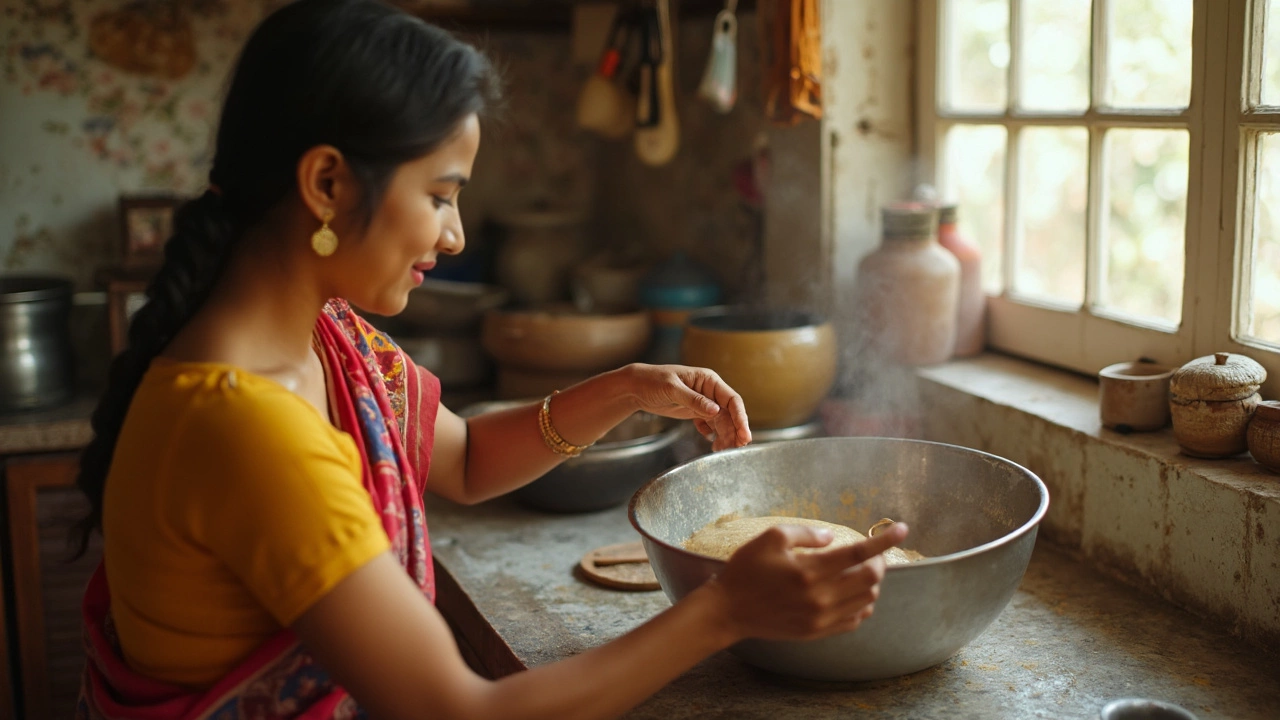
How to Tell If Dosa Batter Has Gone Bad: Easy Signs and Tips for Freshness
Ever wondered if your dosa batter is still good to use? This guide reveals the unmistakable signs of spoiled dosa batter, including smell, appearance, and taste. Learn expert tips to keep your batter fresher for longer and avoid any kitchen disasters. Get the facts, practical methods, and insider tips for perfect dosas every time. Don't risk your breakfast—know exactly what to check for before you put that pan on the stove.