Dal Varieties: Common Types, Cooking Tips, and Healthy Choices
When you think of Indian comfort food, dal, a simple, protein-rich stew made from lentils or split peas, foundational to daily meals across India is probably one of the first things that comes to mind. It’s not just food—it’s tradition. Every region has its own version, from the creamy dal makhani of Punjab to the tangy sambar of the south. Dal tadka, a spiced lentil dish finished with sizzling tempering of cumin, garlic, and dried chilies is the most common home-cooked version, often served with rice or roti. And while it’s simple, getting it right means understanding the differences between toor dal, also called pigeon pea, the most widely used lentil in South Indian kitchens, masoor dal, red lentils that cook fast and turn creamy, and chana dal, split chickpeas with a nutty bite, perfect for curries and snacks.
Dal isn’t just about taste—it’s about nutrition. It’s one of the few plant-based foods that gives you a solid punch of protein, fiber, and iron without the fat. That’s why it’s listed among the healthiest Indian food choices you can order or make at home. Unlike heavy curries loaded with cream, dal stays light but filling. It’s the dish that keeps families fed, kids nourished, and elders happy. The magic isn’t in the ingredients—it’s in the technique. How long you soak it, how you temper the spices, whether you add tomatoes or tamarind—all of it changes the flavor. Some dals, like urad dal, need longer cooking and are often pressure-cooked. Others, like masoor dal, are ready in 15 minutes. And while you might think all dals taste the same, try a bowl of moong dal with a hint of asafoetida versus a bowl of chana dal with roasted cumin and curry leaves—you’ll taste the difference.
What you’ll find in this collection isn’t just recipes. It’s the real talk behind why some dals turn mushy, why others need tempering, and which ones pair best with rice versus roti. You’ll learn how to fix bland dal, how to make it creamy without cream, and why some households swear by adding a pinch of sugar. You’ll see how dal connects to other staples—like how it’s often served with paneer, a fresh, non-melting cheese common in North Indian cooking, or how it fits into a balanced meal alongside tandoori chicken, a smoky, spicy grilled protein. Whether you’re new to Indian cooking or just want to understand dal better, this list gives you the practical, no-fluff knowledge you need to cook it right every time.
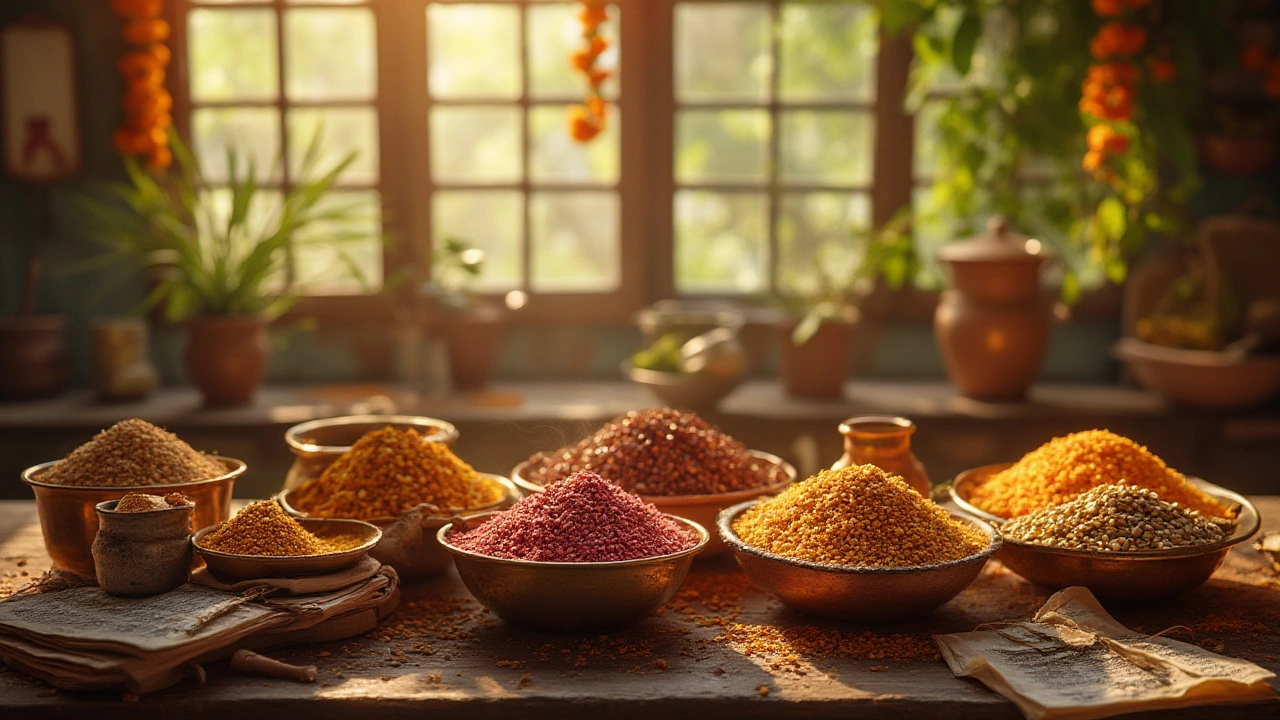
The 5 Types of Dal Explained: Flavors, Cooking Tips, and Indian Lentil Varieties
Unlock the world of dal with this guide to the 5 types of Indian lentils, how to cook them, and flavor secrets for tasty home meals.
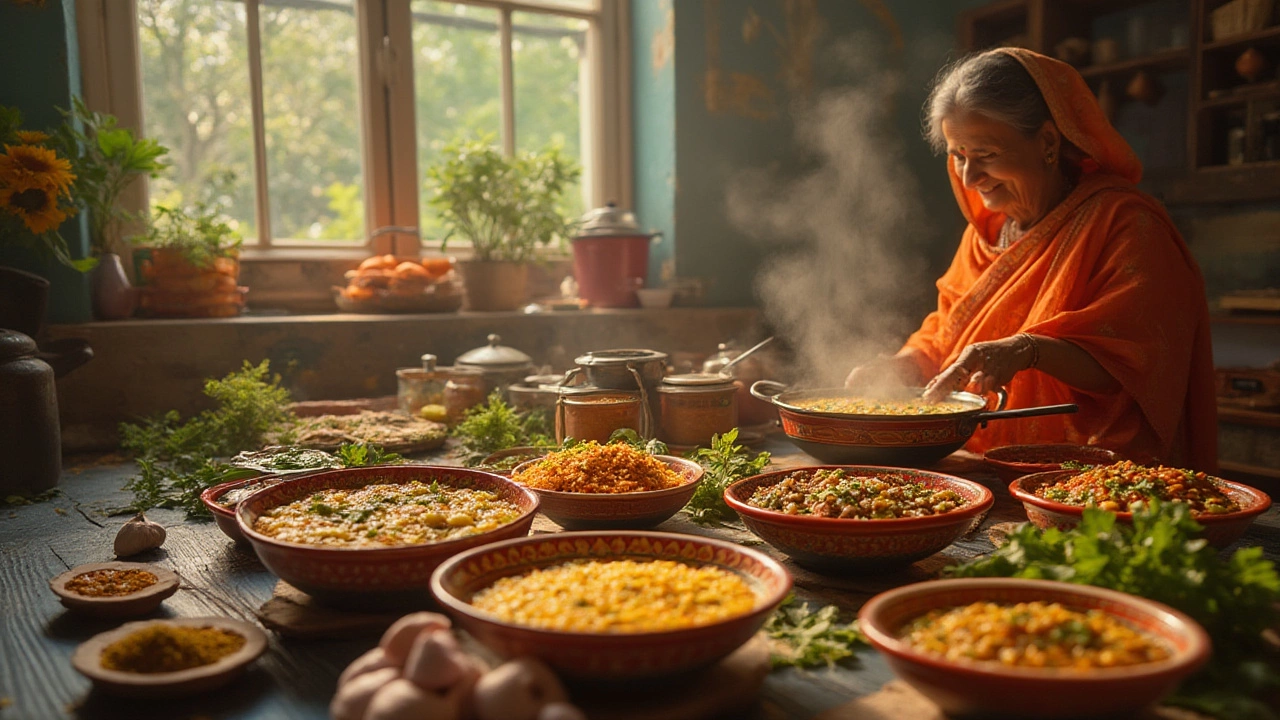
Which Dal Tastes Best? Guide to the Tastiest Indian Dal Varieties
Curious which dal is truly the tastiest? Explore flavors, textures, regional twists, and top cooking tips so you can find your favorite Indian dal.