Cornstarch in Indian Cooking: Uses, Substitutes, and Why It Matters
When you think of Indian cooking, you might picture turmeric, cumin, or ghee—but cornstarch, a fine white powder made from corn kernels that thickens liquids without adding flavor. Also known as maize starch, it’s quietly behind the creamy texture of many gravies, the crispness of fried snacks, and even the curdling process in homemade paneer. You won’t find it in traditional village kitchens, but in modern Indian homes and restaurants, it’s become a go-to tool for texture control.
Cornstarch isn’t just for Western sauces. In Indian cooking, it’s used to give gravies that glossy, velvety finish without making them heavy. Think of the sauce on your butter chicken or the coating on crispy pakoras—it’s often cornstarch doing the work. It also helps bind fillings in samosas and gives a light crunch to fried paneer cubes. And yes, it plays a role in paneer making too. While lemon juice or vinegar is the classic acid to curdle milk, some home cooks use a tiny bit of cornstarch to stabilize the curds and make them firmer, especially when the milk isn’t fresh.
But what if you’re out of cornstarch? You don’t need to run to the store. Rice flour, arrowroot, or even besan (chickpea flour) can step in, though they change the texture. Rice flour gives a lighter crisp, besan adds nuttiness, and arrowroot mimics cornstarch’s shine but breaks down faster with heat. The key is knowing what you’re trying to achieve: thickening? Crispiness? Binding? Each substitute has its own behavior under heat.
And here’s something most people miss: cornstarch doesn’t just thicken—it protects. When you coat chicken or vegetables in a light dusting before frying, it forms a barrier that locks in moisture and keeps the outside crunchy. That’s why so many Indian restaurants use it in their tandoori chicken marinades or fried appetizers. It’s not about flavor. It’s about control.
What you’ll find in the posts below is a collection of real, tested ways Indian cooks use cornstarch—or avoid it altogether. From fixing runny curries to replacing paneer with cheese that holds shape, from making perfect dosas to understanding why your roti won’t puff, these posts connect the dots between technique and ingredient. You won’t find fluff. Just clear, practical answers to the questions you actually ask in your kitchen.
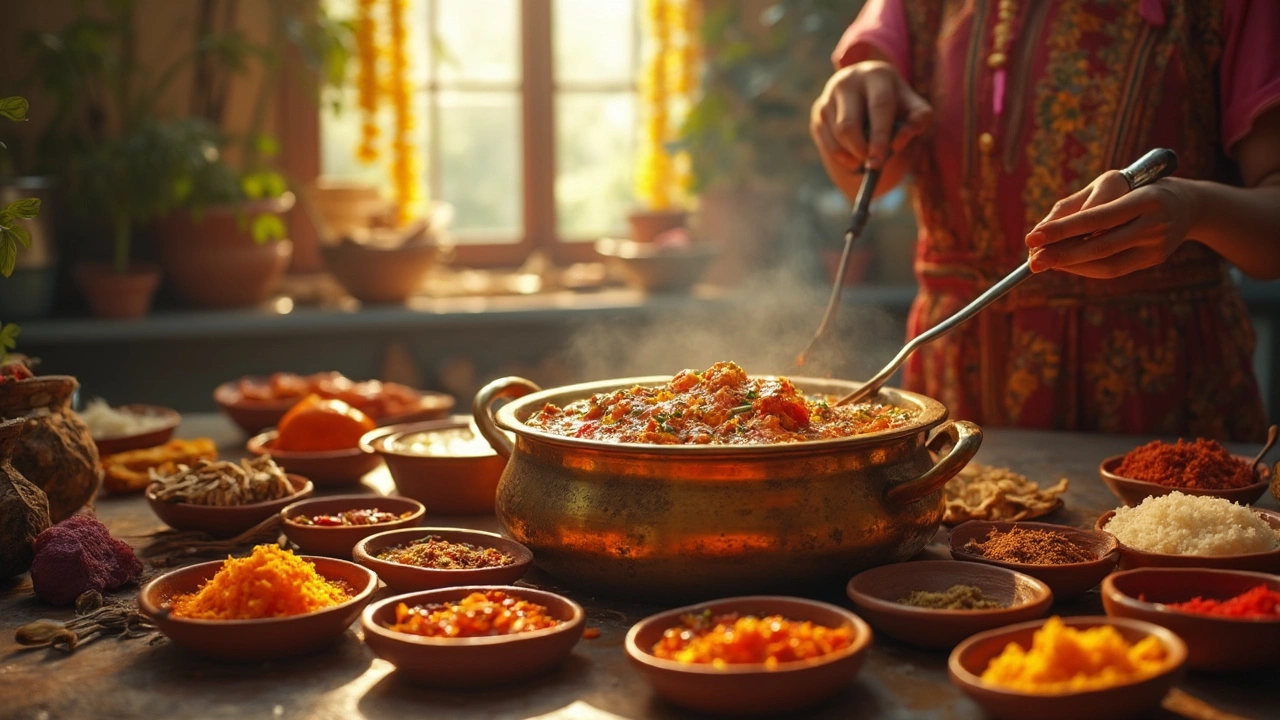
Thickening Agent for Chutney: What Works Best and Why It Matters
Wondering why some homemade chutney turns out runny while other jars deliver that perfect texture? Thickening agents can be the secret weapon behind a chutney’s texture. This article breaks down what thickening agents actually are, how they work, and which ones home cooks love. Get tips, pros and cons, and insider tricks for getting your chutney just right. If you want a spread that isn’t dripping off your toast, you’ll want to keep reading.