Cooking Dal: Simple Tips for Perfect Lentils Every Time
When you think of cooking dal, a staple dish made from split lentils, beans, or peas, commonly seasoned with spices like cumin, turmeric, and garlic. Also known as dhal, it’s the quiet hero of Indian meals—simple, cheap, and packed with protein. It’s not just food. It’s comfort. It’s what you eat when you’re tired, sick, or just need something real.
There’s no single way to cook dal. In the north, it’s creamy and buttery, finished with a sizzling dal tadka of ghee, cumin, and dried chilies. In the south, it’s thinner, tangier, with tamarind and curry leaves. In Punjab, it’s rich with cream and butter. In Bengal, it’s sweetened with jaggery. But no matter where you are, the goal is the same: tender lentils that hold their shape, not mushy sludge. The trick isn’t the recipe—it’s the technique. Overcook it, and you lose texture. Undercook it, and you lose digestibility. The right balance comes from soaking, rinsing, and simmering low and slow.
What makes dal work isn’t just the lentils. It’s the spices. Turmeric gives color and anti-inflammatory power. Cumin adds earthiness. Asafoetida cuts through the heaviness. And that final tempering? That’s where the magic happens. Heat oil or ghee, toss in mustard seeds until they pop, drop in garlic and dried red chilies, then pour it over the cooked lentils. The sizzle wakes up every flavor. You don’t need fancy ingredients. Just good oil, fresh spices, and patience.
People think dal is basic. But it’s one of the most misunderstood dishes in Indian kitchens. It’s not a side. It’s the center. It pairs with rice, roti, even fried snacks. It’s eaten by farmers, CEOs, and toddlers. It’s the dish that survives generations because it’s nourishing, not trendy. And when you get it right—when the lentils are soft but not falling apart, the spices are bold but not bitter, the tadka is fragrant and hot—it doesn’t just fill your stomach. It settles your soul.
Below, you’ll find real recipes and honest fixes from people who’ve been there—burnt dal, underseasoned dal, dal that won’t soften. No fluff. Just what works.

How Much Water Do You Need for 1 Cup of Dal? Perfect Ratios for Soft, Creamy Dal Every Time
Learn the perfect water-to-dal ratios for creamy, flavorful dal every time. Discover how soaking, cooking method, and dal type affect water needs for best results.
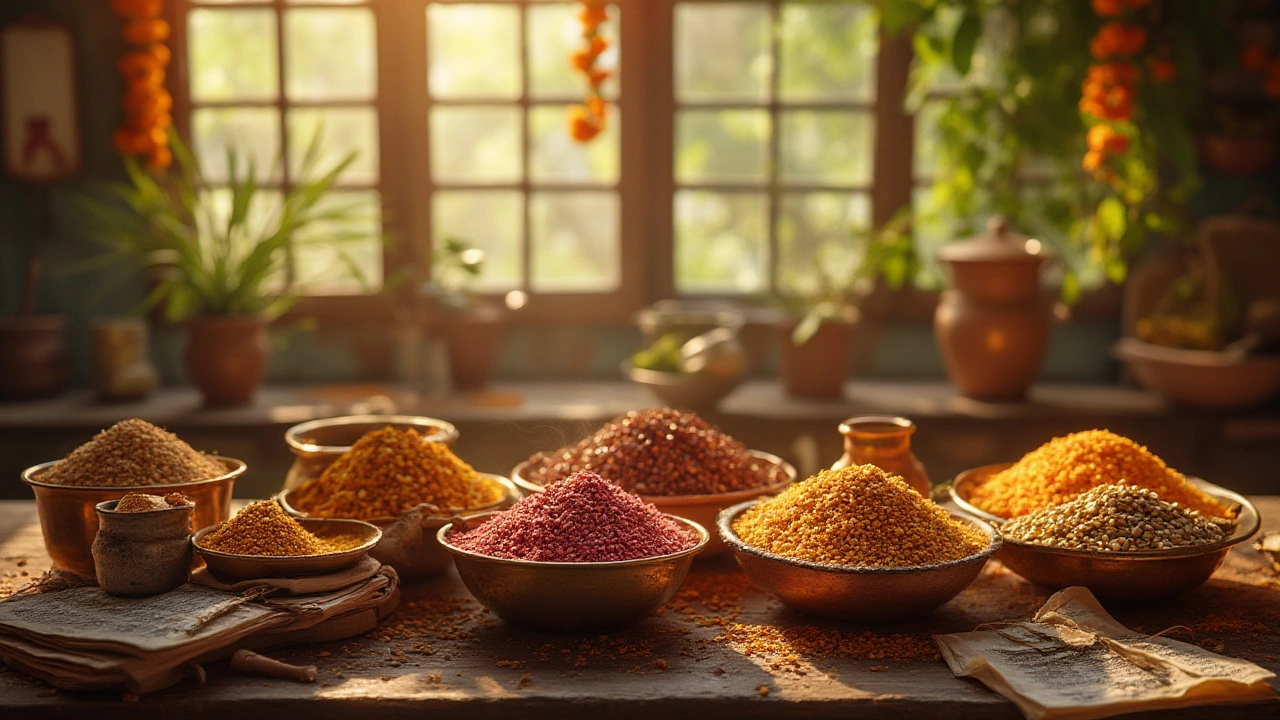
The 5 Types of Dal Explained: Flavors, Cooking Tips, and Indian Lentil Varieties
Unlock the world of dal with this guide to the 5 types of Indian lentils, how to cook them, and flavor secrets for tasty home meals.
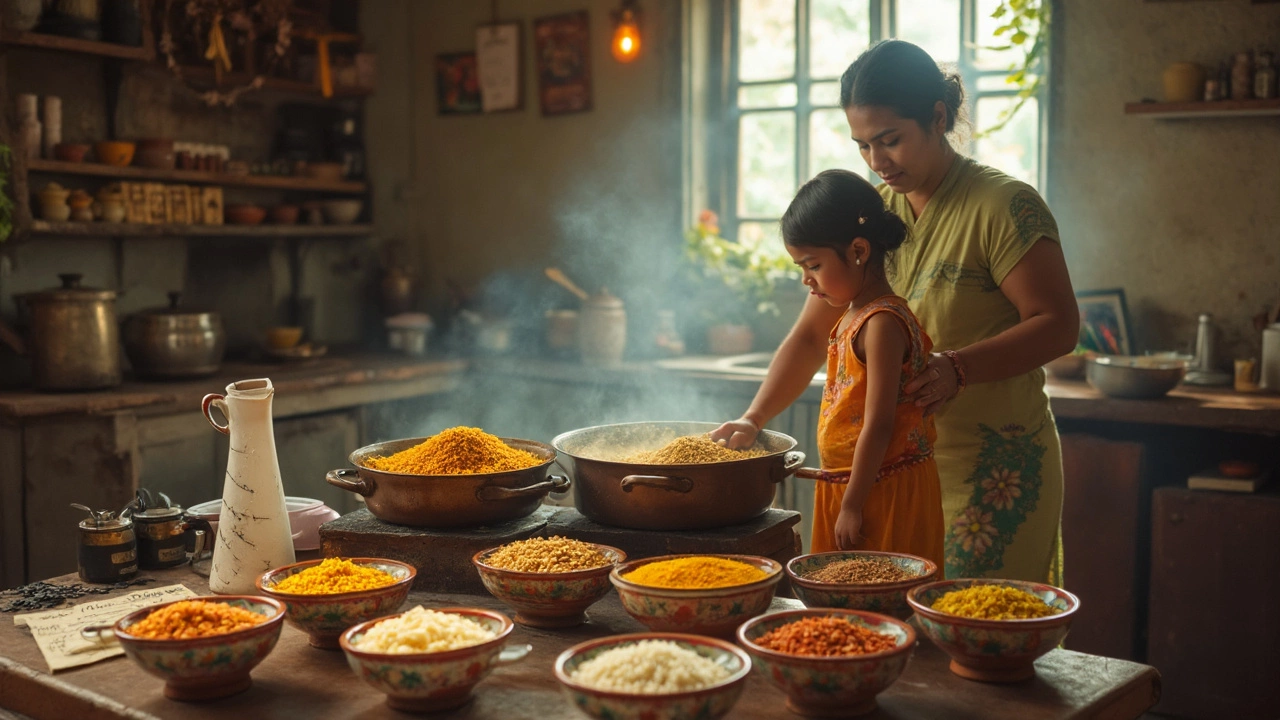
Water to Dal Ratio: The Simple Trick for Perfect Dal Every Time
Getting the water to dal ratio right can mean the difference between a creamy, luscious dal or a pot of mushy disappointment. This article explains how much water you actually need for different types of dals – because not all lentils are created equal. You'll get hands-on tips that make dal recipes much easier and taste way better. No guesswork, just straightforward answers. Plus, discover tweaks that suit pressure cookers, stovetops, and even picky kids at the table.