Black Cardamom: The Smoky Spice That Defines Indian Curries and Biryani
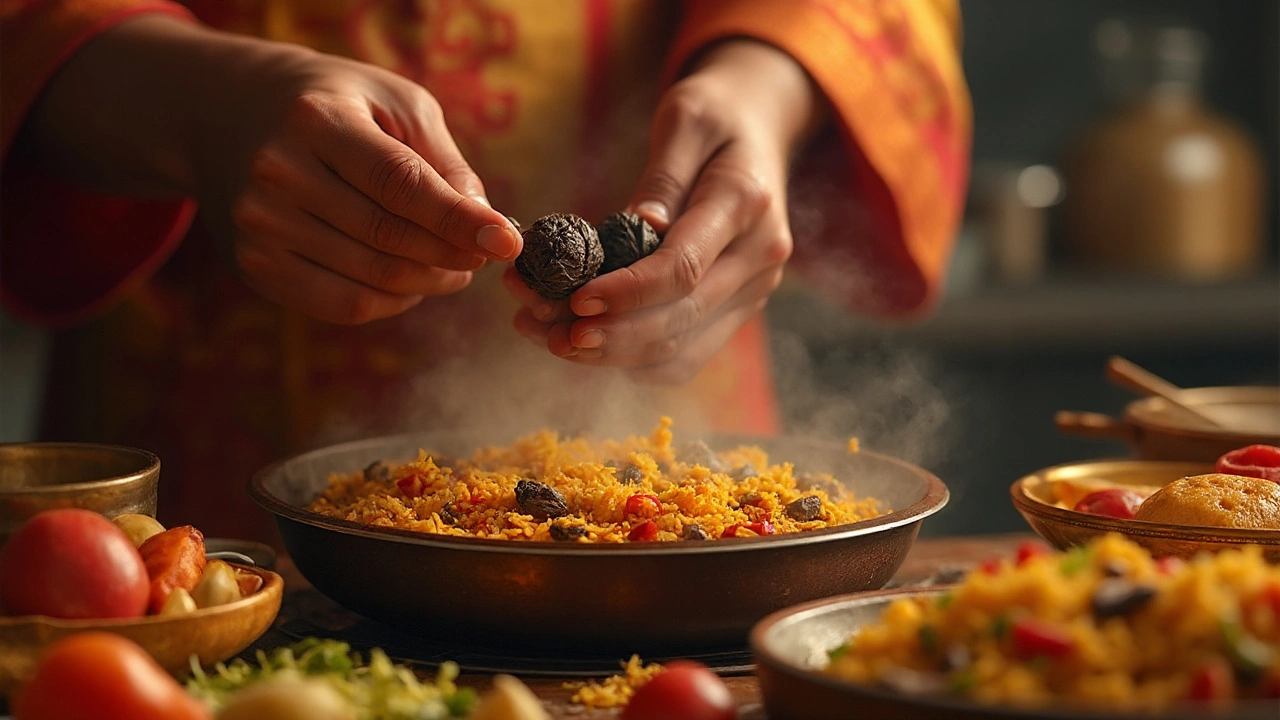
When you think of Indian spices, you might picture cumin or turmeric—but black cardamom, a bold, smoky pod used in slow-cooked Indian dishes like biryani and garam masala. Also known as big cardamom or kali elaichi, it’s not the same as the sweet, floral green cardamom you find in desserts. This is the spice that gives depth to meat curries, lentils, and rice dishes where smoke and earthiness matter more than brightness. You won’t find it in chai, but you’ll taste it in every bite of a well-made biryani.
Black cardamom comes from a plant in the ginger family, but its flavor is anything but gentle. The pods are dried over open flames, which gives them that unmistakable campfire aroma—like smoked tea or charred wood. That’s why it’s a staple in North Indian and Bengali cooking, where long cooking times let the spice release its full, rugged character. It’s often crushed or lightly cracked before adding to oil, letting the oils bloom and fill the pot with that deep, grounding scent. Unlike green cardamom, which fades quickly, black cardamom holds up through hours of simmering. It’s the quiet backbone of dishes like Rogan Josh, Dum Aloo, and even some versions of Chole Bhature.
It pairs naturally with other whole spices like cinnamon, cloves, and bay leaves—especially in garam masala blends. You’ll rarely see it ground; the pods are usually added whole and removed before serving. That’s because the seeds inside are potent and gritty if chewed. If you’ve ever bitten into one by accident, you know why. It’s not a spice you taste in small doses—it’s a spice you feel in your chest after a spoonful of stew. And that’s exactly why chefs use it: not to surprise, but to anchor.
People often confuse it with green cardamom because they look similar, but the difference is like comparing a whisper to a shout. Green cardamom is for sweets, teas, and light dishes. Black cardamom is for fire, time, and patience. You’ll find it in the spice racks of home cooks who make biryani once a month, in the kitchens of tandoor restaurants, and in the back of every Indian grocery that stocks whole spices. It doesn’t need to be trendy—it’s been around for centuries because it works.
When you see recipes calling for "cardamom" without specifying, always check the context. If it’s a curry that simmers for two hours, it’s likely black. If it’s a dessert or a drink, it’s green. Mixing them up won’t ruin a dish—but it’ll change it. And in Indian cooking, the difference between right and wrong often comes down to one spice.
Below, you’ll find real recipes and tips from cooks who know exactly how to use this spice—not just what to add, but when, how much, and why. Whether you’re fixing a flat biryani aroma, trying to deepen your chicken curry, or just wondering why your spice blend tastes flat, the answers are here.
What Is the Small Black Thing in Biryani? Spice Secrets & Surprising Facts
Ever found a mysterious black pod in your biryani? Discover what it is, why chefs use it, and how it impacts flavor in this spicy, fact-packed article.