Biryani Mistakes: How to Fix Common Errors and Get Perfect Rice Every Time
When you make biryani, a layered rice dish from India with spiced meat, aromatic herbs, and saffron-infused rice. It's not just cooking—it's building flavor in stages. But one wrong step—like adding too much water, skipping the dum cooking, or using old spices—and your biryani turns into a soggy, bland mess. Many people think biryani is hard because of the recipe, but it’s really the biryani mistakes that trip them up. The truth? You don’t need fancy equipment or rare ingredients. You just need to avoid the same five errors most home cooks make.
Biryani rice, typically basmati, must be parboiled just right—not fully cooked, not raw. If you boil it until soft, it turns to mush when steamed in the pot. If it’s too hard, it stays crunchy and ruins the texture. The trick? Soak it for 30 minutes, then cook it 70% done. It should still have a bite. This is the foundation. Without it, even the best spices won’t save you. And speaking of spices, biryani spices, like cardamom, cloves, cinnamon, and saffron. They’re not just for show. Using pre-ground powder instead of whole spices roasted in oil? That’s a quick way to lose that deep, smoky aroma. Whole spices release oil slowly when fried. Ground spices burn fast and turn bitter. Always toast them fresh.
Another big biryani mistake, layering the rice and meat too early or too thickly. You don’t dump everything in one go. The magic happens in layers: meat at the bottom, then rice, then more meat, then more rice, with saffron milk, fried onions, and mint between. Cover it tight with foil or dough, then seal the steam. This is called dum—slow cooking over low heat. Skip it, and your biryani tastes flat. No steam, no depth. No slow heat, no fragrance. And never open the pot before 20 minutes. Patience isn’t optional—it’s the secret ingredient.
People also overdo the food coloring. That bright orange hue? It’s not natural. Real biryani gets its color from saffron and Kashmiri chili. Too much turmeric or artificial color? It masks flavor, not enhances it. And don’t forget the garnish. Fresh mint, fried onions, and a squeeze of lemon at the end aren’t decorations—they’re flavor reset buttons. They cut through the richness and wake up your taste buds.
Below, you’ll find real fixes from people who’ve been there. From how to rescue overcooked rice to why your biryani smells like boiled water, the posts here cut through the noise. No fluff. No theory. Just what works in a real kitchen, with real ingredients, on a weeknight. Whether you’re making chicken biryani for the first time or fixing your tenth batch, you’ll find the exact mistake you’re making—and how to fix it before the next pot boils.
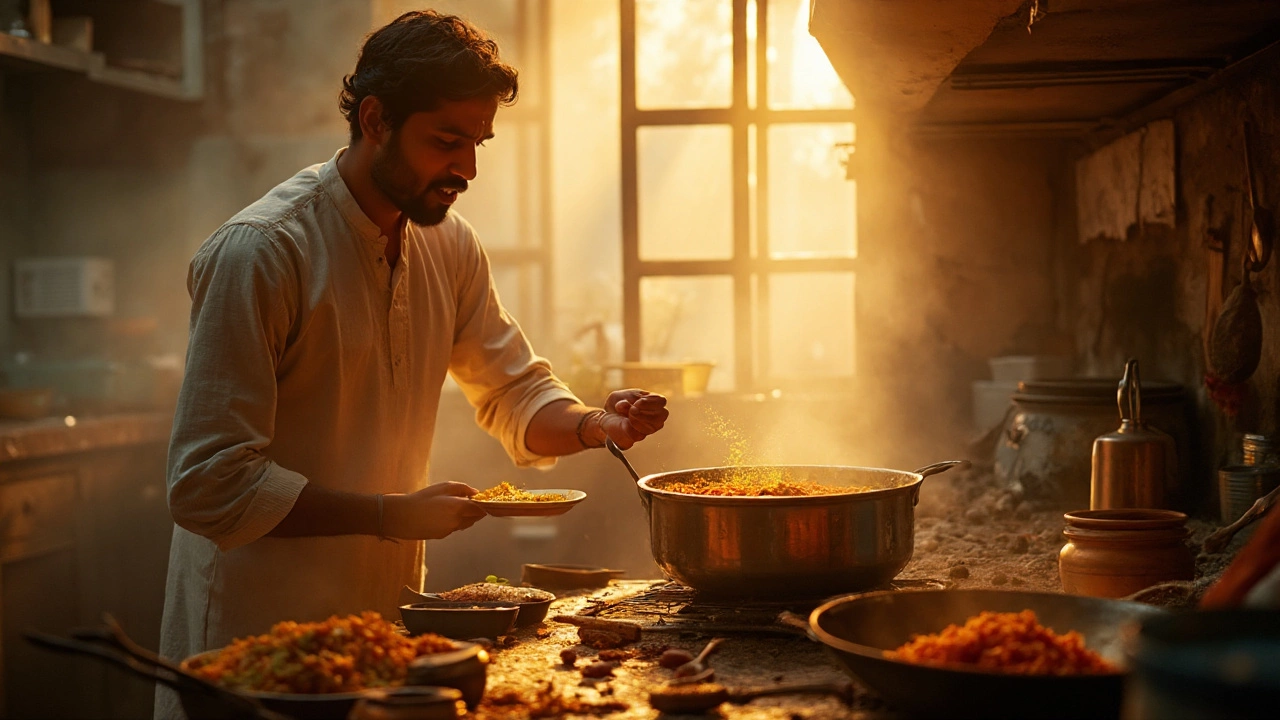
Why Your Biryani Isn’t Tasty: Real Reasons and Fast Fixes That Work
Biryani tastes flat? Here’s why-salt, browning, aroma, and steam-and how to fix it fast. Clear steps, checklists, rescue tricks, and a foolproof method.