Best Indian Dal: Simple, Healthy, and Flavorful Lentil Recipes You Need to Try
When you think of comfort food in India, it’s not biryani or tandoori chicken—it’s dal, a simple, slow-cooked lentil stew that’s the backbone of daily meals across the country. Also known as lentil curry, dal is what Indian families eat every night, not because it’s trendy, but because it’s filling, affordable, and packed with protein. It’s the dish that ties together rice, roti, and pickles into a complete meal.
Dal tadka, the most popular version, is made by tempering spices like cumin, mustard seeds, and dried red chilies in hot ghee or oil. This step—called tadka or chaunk—turns plain lentils into something aromatic and alive. It’s not just flavor—it’s technique. And it’s why your homemade dal might taste flat if you skip this part. Then there’s chana dal, split chickpeas that hold their shape and add a nutty bite to curries, and toor dal, the yellow lentil used in South Indian sambar and everyday home cooking. Each type has its own texture, cooking time, and regional name, but they all share one thing: they’re designed to be eaten with your hands, soaked up by warm bread, and paired with a side of yogurt or pickle.
What makes these dals so central to Indian meals isn’t just taste—it’s nutrition. They’re high in fiber, low in fat, and naturally gluten-free. If you’ve ever wondered why Indian diets are linked to lower rates of heart disease, dal is part of the answer. You won’t find a single Indian household that doesn’t have a pot of dal simmering on the stove. And if you’ve tried making it and ended up with mushy lentils or bland flavor, you’re not alone. Most mistakes come from skipping the tadka, overcooking the lentils, or using old spices. The good news? The fixes are simple.
Below, you’ll find real recipes and tips from people who cook dal every day—not chefs in fancy kitchens, but moms, grandmas, and home cooks who know what works. You’ll learn how to make dal that’s creamy without cream, spicy without heat overload, and rich without butter. You’ll see how to fix watery dal, how to store it so it tastes better the next day, and which spices make the biggest difference. Whether you’re new to Indian cooking or just tired of the same old lentil bowl, these posts will show you how to make dal that actually sings.
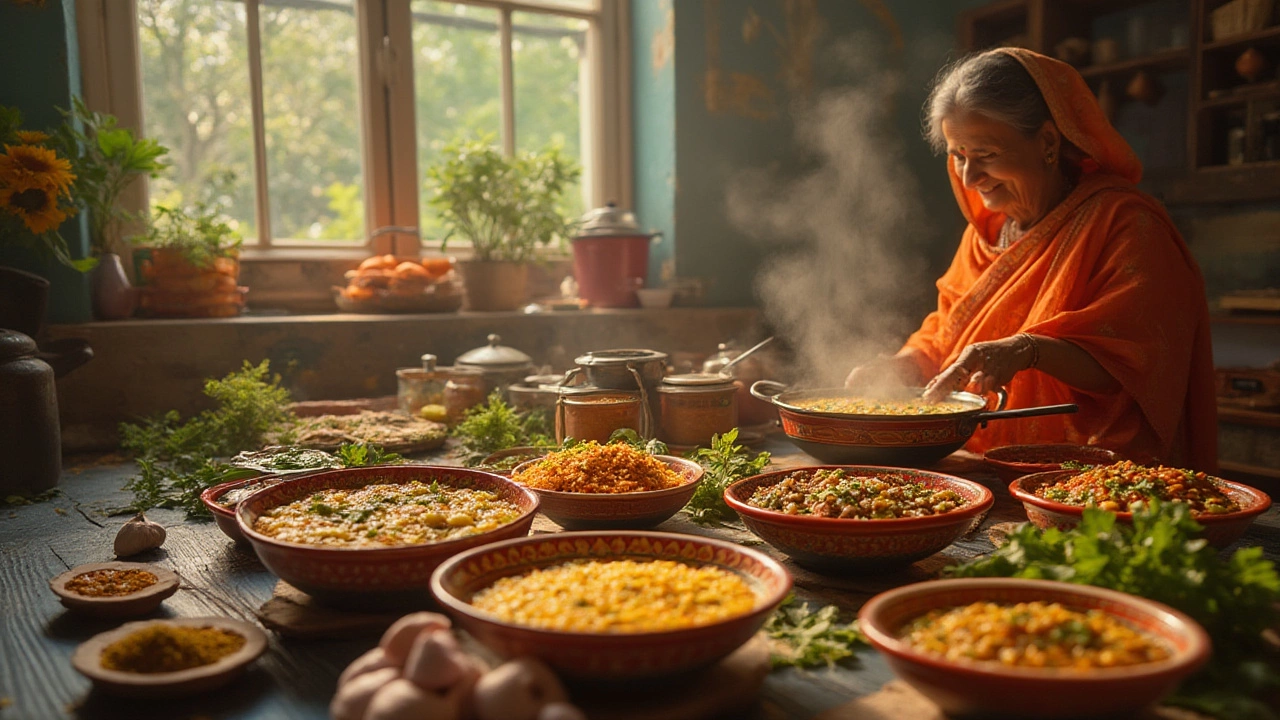
Which Dal Tastes Best? Guide to the Tastiest Indian Dal Varieties
Curious which dal is truly the tastiest? Explore flavors, textures, regional twists, and top cooking tips so you can find your favorite Indian dal.