Rice and Biryani Recipes: Fluffy Rice, Bold Spices, and Secret Cooking Tricks
When you think of rice and biryani recipes, a category of Indian dishes centered around fragrant, spiced rice cooked with meat, vegetables, or just spices. Also known as Indian rice dishes, it’s not just about boiling rice—it’s about layering flavor, controlling steam, and letting spices bloom slowly until every grain sings. The magic isn’t in one ingredient. It’s in how biryani spices, a blend of whole spices like cardamom, cloves, cinnamon, and black pepper, often tempered in ghee meet fluffy rice, long-grain basmati rice that stays separate, never mushy, after steaming. And then there’s the aromatic biryani, a dish defined by its scent—saffron, fried onions, kewra water, and fresh herbs that rise with every lid you lift. These aren’t optional extras. They’re the foundation.
Most people think biryani is just rice and curry mixed together. But if your biryani tastes flat, it’s probably because you skipped the slow layering, didn’t brown the onions right, or used pre-ground spices that lost their punch. The secret isn’t more salt—it’s timing. How long you let the rice steam in the oven, whether you use potatoes to soak up flavor, or if you add mint and cilantro at the end to brighten it up. Even the black pods you find in your rice? That’s black cardamom—used in every serious biryani recipe but rarely talked about. And no, garam masala isn’t the hero here. In fact, some of the spices you think belong in it? They’re left out on purpose to keep the flavor clean and layered.
Whether you’re cooking for a crowd or just craving something that feels like home, these recipes fix what’s broken in your kitchen. You’ll learn why potatoes are in Hyderabadi biryani, how to make your rice smell like a street vendor’s stall, and what to do when your biryani turns out bland. No fluff. No guesswork. Just real fixes, regional tricks, and the kind of details that turn a good meal into a story you’ll want to make again.
Below, you’ll find everything from oven timing secrets to the exact herbs that make biryani pop, the spices that get left out of garam masala, and why your last batch didn’t taste like the one your grandma made. This isn’t just a list of recipes. It’s a guide to getting it right—every time.
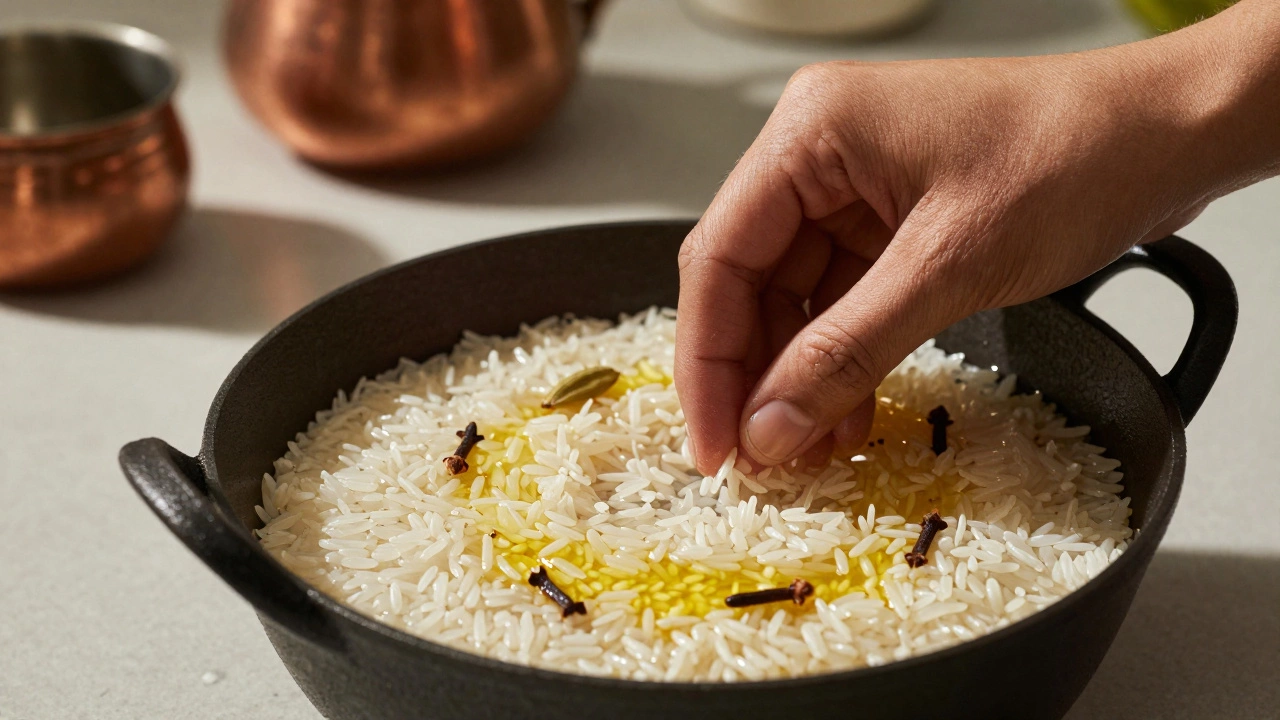
Why Is Biryani Difficult to Make? The Real Reasons Behind the Challenge
Biryani is hard to make because it demands precise rice cooking, layered spices, slow steaming, and patience-not just following a recipe. Learn why it fails and how to get it right.
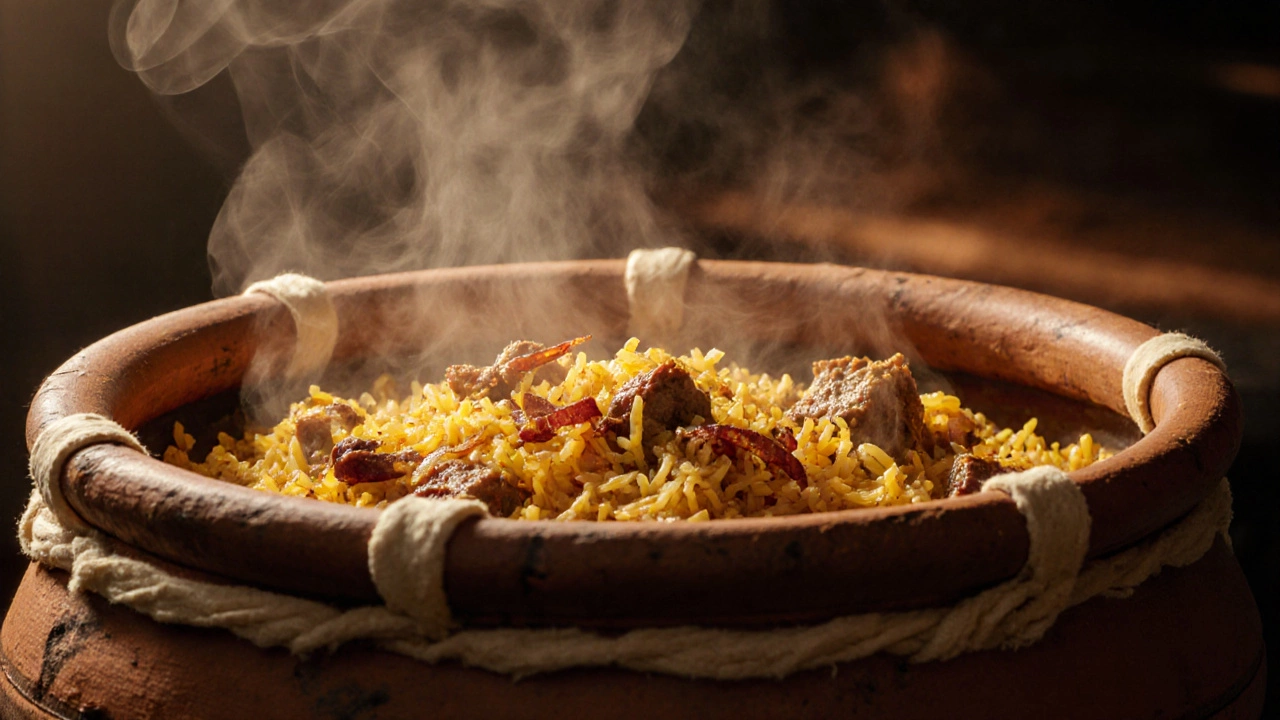
How Long to Keep Biryani in the Oven? Perfect Baking Time for Fluffy, Aromatic Rice
Biryani needs 25 minutes in a 325°F oven to cook perfectly-enough to steam the rice without drying it out. Learn how to time it right, avoid common mistakes, and get fluffy, aromatic results every time.
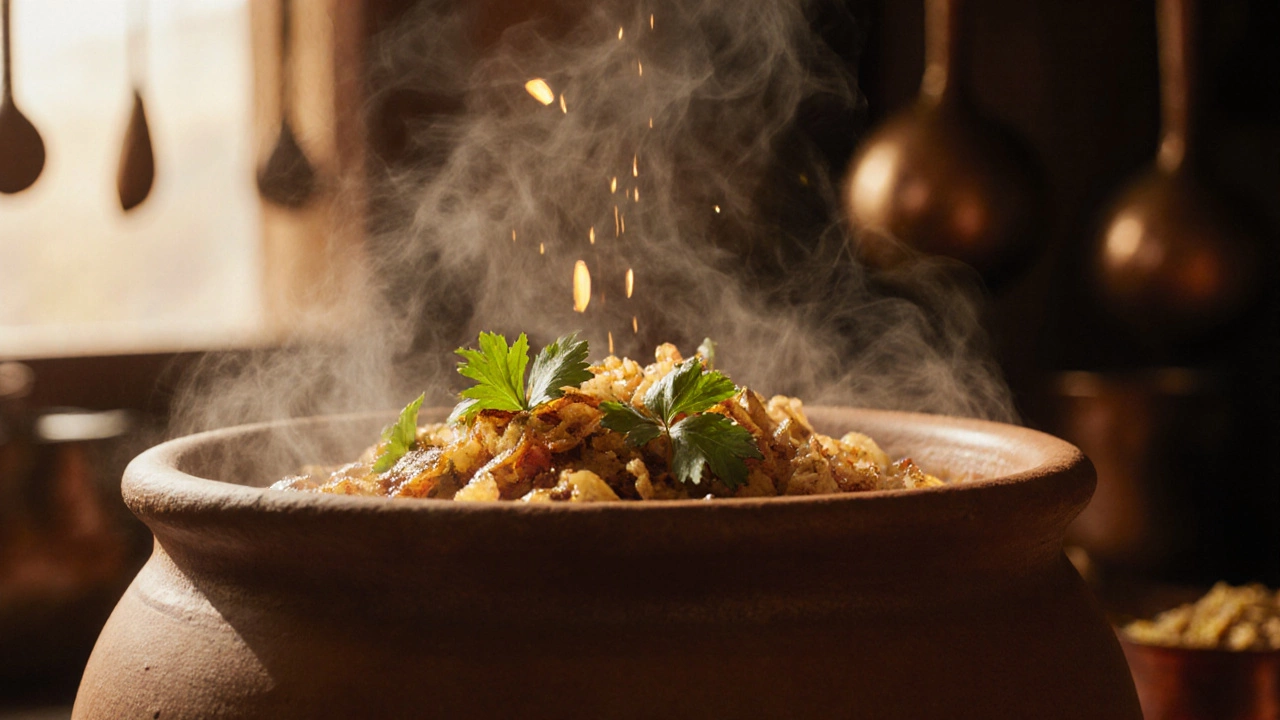
What Is the Secret Smell of Biryani? The Real Aromas Behind the Dish
The secret smell of biryani comes from layered spices, slow cooking, and hidden ingredients like kewra water and saffron-not just curry powder. Learn what makes it unforgettable.

Unveiling the Green Garnish in Biryani: Cilantro, Mint, and More
Discover why biryani is topped with cilantro, mint, and other greens, how they boost flavor, and step‑by‑step tips for the perfect garnish.

Why is Potatoes Added to Biryani? History, Flavor and Regional Secrets
Discover why potatoes are a staple in many biryani recipes, exploring history, regional styles, flavor benefits, and cooking tips in an easy‑to‑follow guide.
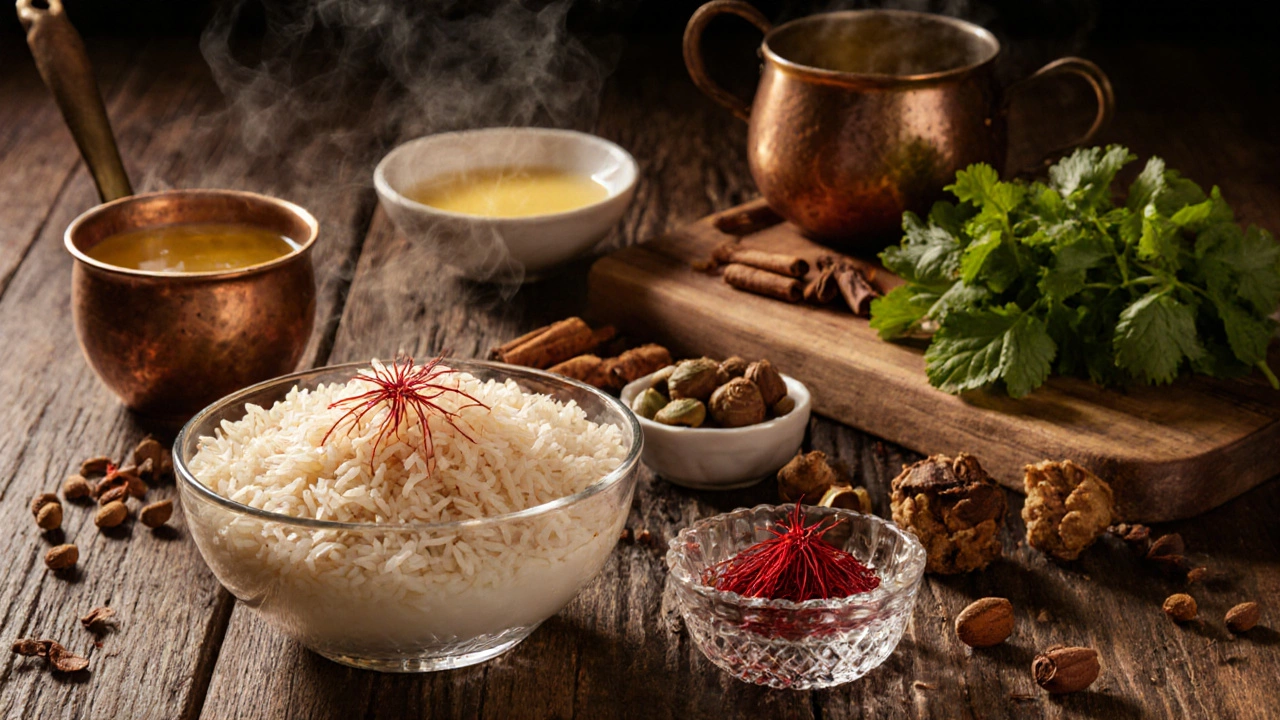
What Gives Biryani Its Aroma?
Discover the key ingredients and techniques that give biryani its unforgettable fragrance. Learn how rice, ghee, whole spices, saffron, fried onions and the dum method work together to create a head‑turning aroma.

Elevate Your Biryani: Creative Twists for a More Exciting Dish
Discover fresh ways to make biryani more interesting with spice swaps, texture boosts, and cooking tricks that turn a classic into a show‑stopper.

Why Your Biryani Isn’t Tasty: Real Reasons and Fast Fixes That Work
Biryani tastes flat? Here’s why-salt, browning, aroma, and steam-and how to fix it fast. Clear steps, checklists, rescue tricks, and a foolproof method.
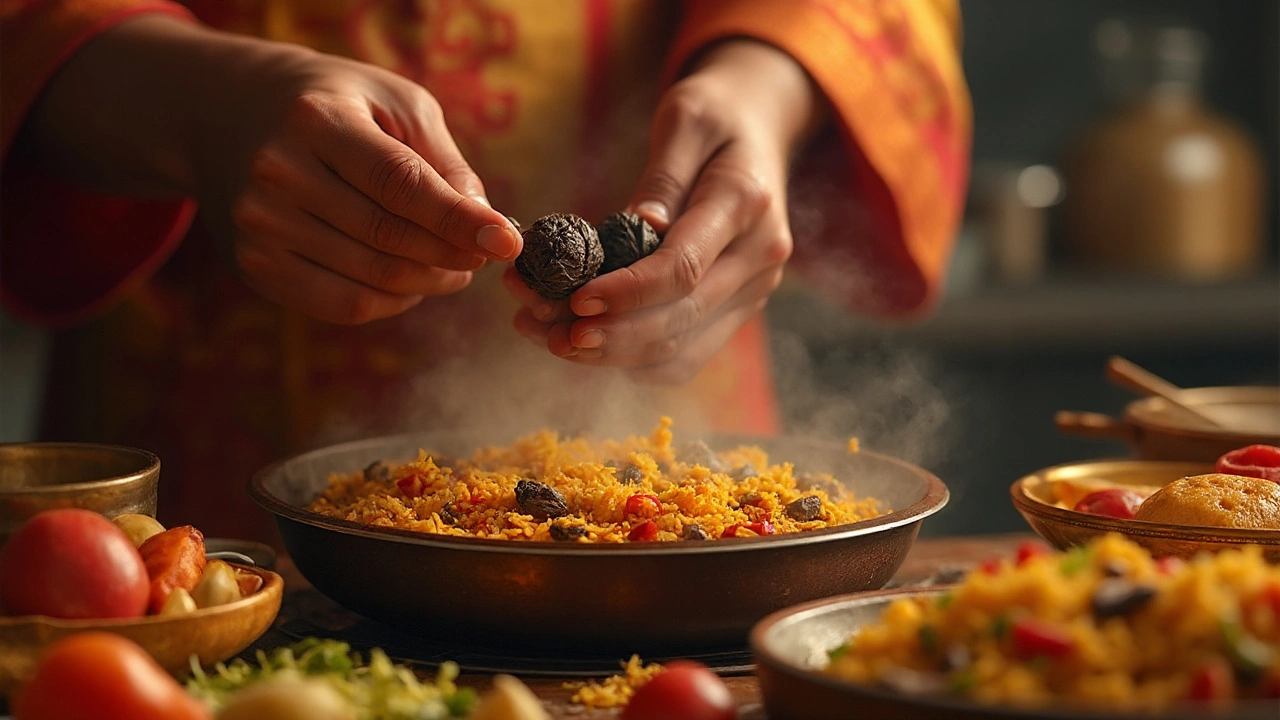
What Is the Small Black Thing in Biryani? Spice Secrets & Surprising Facts
Ever found a mysterious black pod in your biryani? Discover what it is, why chefs use it, and how it impacts flavor in this spicy, fact-packed article.
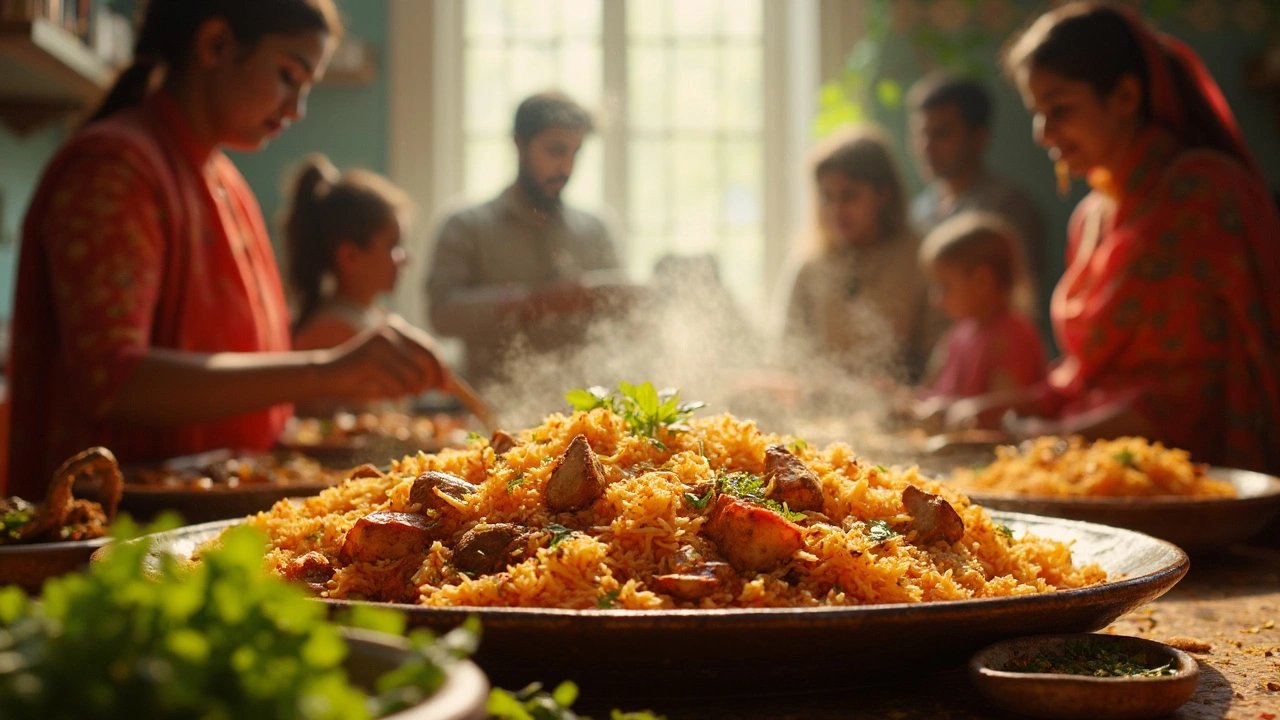
Secret Ingredients in Biryani: What Makes It Irresistible?
Ever wondered what takes biryani from good to unforgettable? This article digs into the secret ingredients and flavors that make biryani special. Discover the unique touches cooks use in different regions. Get tips for boosting taste and aroma right at home. You'll never look at this classic dish the same way again.
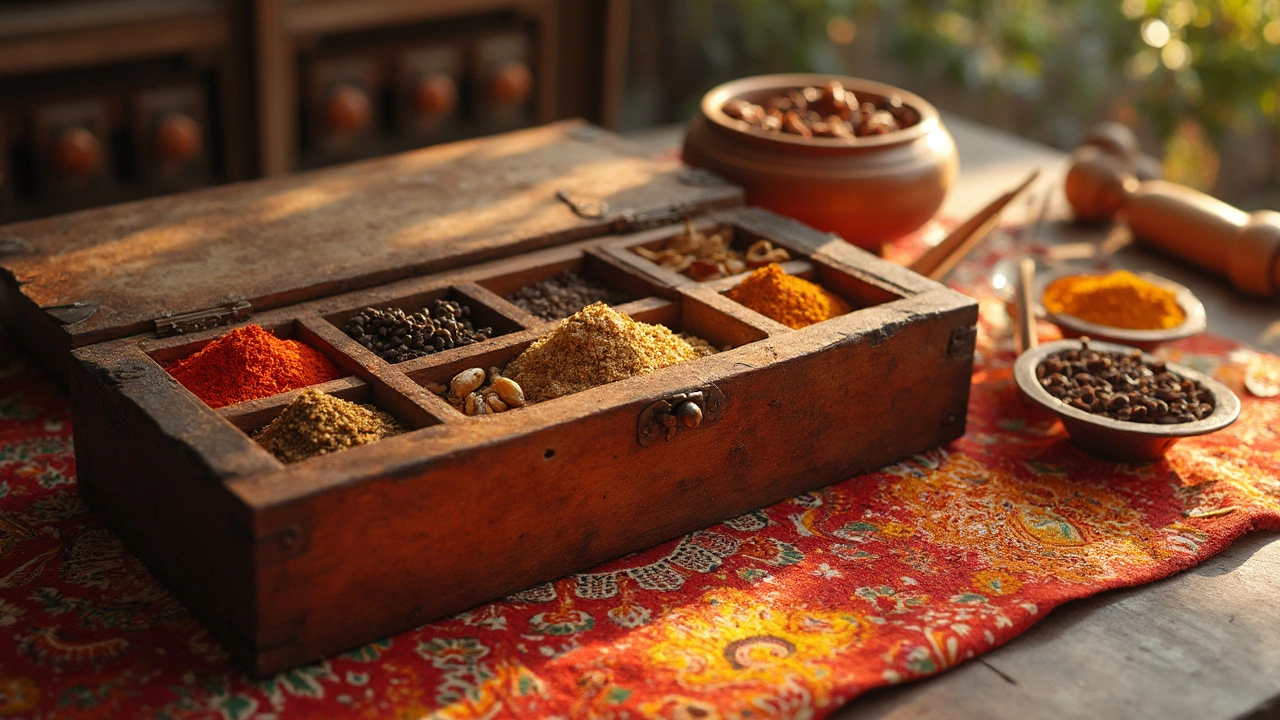
Which Spices Is Not Used in Garam Masala? Get Your Biryani Blend Right
Ever wondered which spices just don't belong in garam masala? Knowing what to skip can make or break your homemade biryani. This article breaks down common mix-ups, explains the key ingredients, and reveals why a few popular spices are always left out. Get the confidence to blend a perfect masala without second guessing. No more bland biryani or spice overkill!
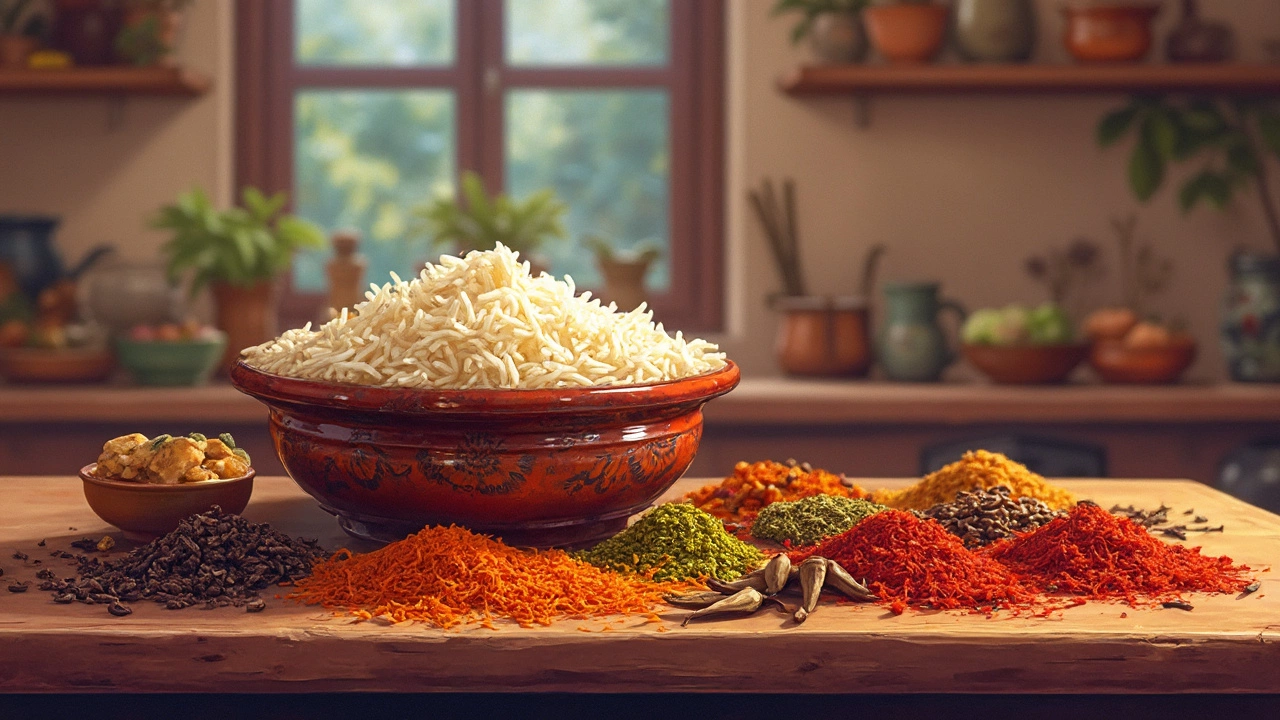
What Gives Biryani Its Taste?
Biryani, a delicious medley of spices, meats, and rice, owes its flavor to a unique combination of ingredients. From the aromatic basmati rice to the blend of spices like saffron and cardamom, each component plays a crucial role. The preparation method, including marination and slow cooking, is another key factor. Understanding these elements can help you prepare a mouth-watering biryani at home.