Indian Sweets and Street Food in January 2025: Recipes, Tips, and Cultural Insights
When you think of Indian sweets, traditional desserts made with milk, sugar, nuts, and spices, often tied to festivals and family rituals. Also known as mithai, it plays a central role in celebrations across India. It’s not just about sugar—it’s about heritage. Cities like Kolkata and Jaipur aren’t just places on a map; they’re living kitchens where generations pass down recipes for gulab jamun, rasgulla, and jalebi. These sweets aren’t snacks—they’re stories in syrup, shaped by religion, climate, and trade. And in January 2025, we dug into what makes them so unforgettable, even for people watching their sugar intake.
Behind every soft roti and creamy chicken curry is a quiet science. roti making, the art of preparing unleavened flatbread from whole wheat flour, water, and salt, a daily ritual in millions of Indian homes. Why does it turn hard overnight? It’s not your fault—it’s moisture loss. We broke down how to keep it tender without plastic wrap or microwaves. Then there’s coconut milk, a rich, creamy liquid extracted from grated coconut, used to add depth to curries and desserts across South India and beyond. Many home cooks panic when it curdles. But it’s not broken—it’s just heated wrong. We showed you how to stir it slow, add it at the right temp, and avoid the grainy mess.
And then there’s the street food. vegetarian dishes, meals centered around legumes, grains, vegetables, and dairy, shaped by religious practices like Jainism and Hinduism that avoid meat. They’re not just healthy—they’re the backbone of India’s food economy. Why can you get a plate of pav bhaji for 30 rupees? It’s not magic. It’s local onions, bulk spices, and vendors selling hundreds of portions a day. Meanwhile, street food prices, the low cost of ready-to-eat meals sold by roadside vendors, made possible by minimal overhead and hyper-local sourcing. That’s why you’ll find the same samosa cart in Mumbai and Lucknow—same ingredients, same profit margins.
Even pulses—our daily dal—have a dark side. They’re cheap protein, but raw or undercooked, they can upset your stomach. We looked at why soaking, sprouting, and pressure cooking matter more than you think. And yes, chocolate in India isn’t just Cadbury anymore. Local makers are blending cardamom, saffron, and jaggery into bars that taste like nothing you’ve had from a supermarket shelf.
January 2025 wasn’t just about recipes. It was about understanding the why behind the what. Why do some communities avoid garlic? Why does coconut milk behave differently in a curry than in a dessert? Why does your roti go hard but your mom’s stays soft? We didn’t just give you steps—we gave you context. Below, you’ll find real guides from real cooks: diabetic-friendly mithai that still melt in your mouth, tips to stretch your spice budget, and the one trick that keeps your chicken curry smooth. No fluff. Just what works.
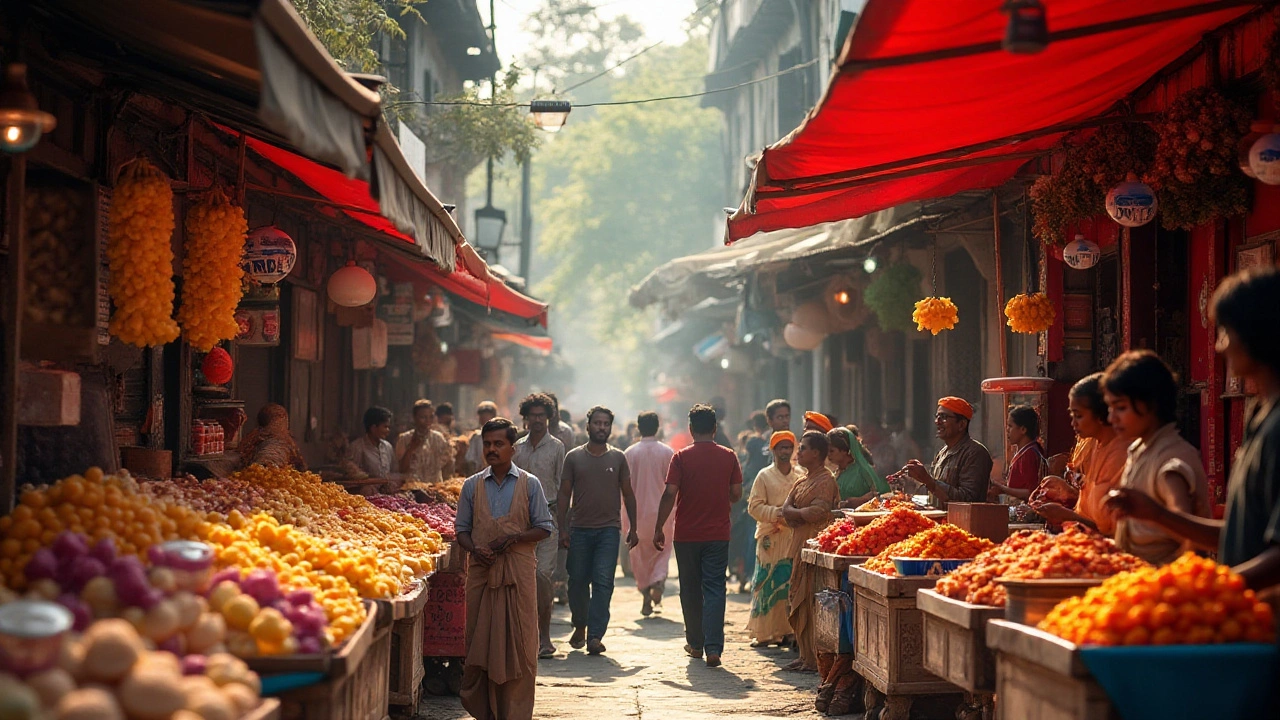
Discover India's Sweet Tooth: The City Renowned for Desserts
India, a diverse land with a rich culinary heritage, boasts a multitude of sweet delicacies. Certain cities shine as beacons of sugary delight, each with unique offerings rooted in tradition. Explore the city celebrated for its confectionery excellence and the historical and cultural factors that make it a sweet haven. Learn about iconic sweets and authentic recipes passed down through generations. A flavorful journey awaits those with a penchant for sugary experiences.

Indian Vegetarian Cultures: A Culinary Exploration
India's culinary landscape is a rich tapestry woven with a multitude of vibrant cultures, many of which uphold vegetarianism as a dietary principle. Certain Indian communities and regions historically embrace vegetarianism due to cultural, religious, and philosophical beliefs. This article explores these vegetarian traditions across India, highlighting the influence on local cuisine. Dive into the diverse vegetarian practices of Indian communities to understand how these customs shape their culinary identity.

Diabetic-Friendly Indian Sweets: A Delicious Guide
The idea of enjoying Indian sweets while managing diabetes may sound daunting, but it is absolutely possible with the right approach. This article explores the possibility of indulging in traditional Indian desserts by using diabetic-friendly ingredients and alternatives, allowing for moderation without compromising on taste. It offers insights into how diabetics can balance their diet with occasional treats, the importance of portion control, and presents a few healthy versions of classic recipes. Navigating the world of Indian sweets doesn't have to mean missing out, even for those mindful of their sugar intake.
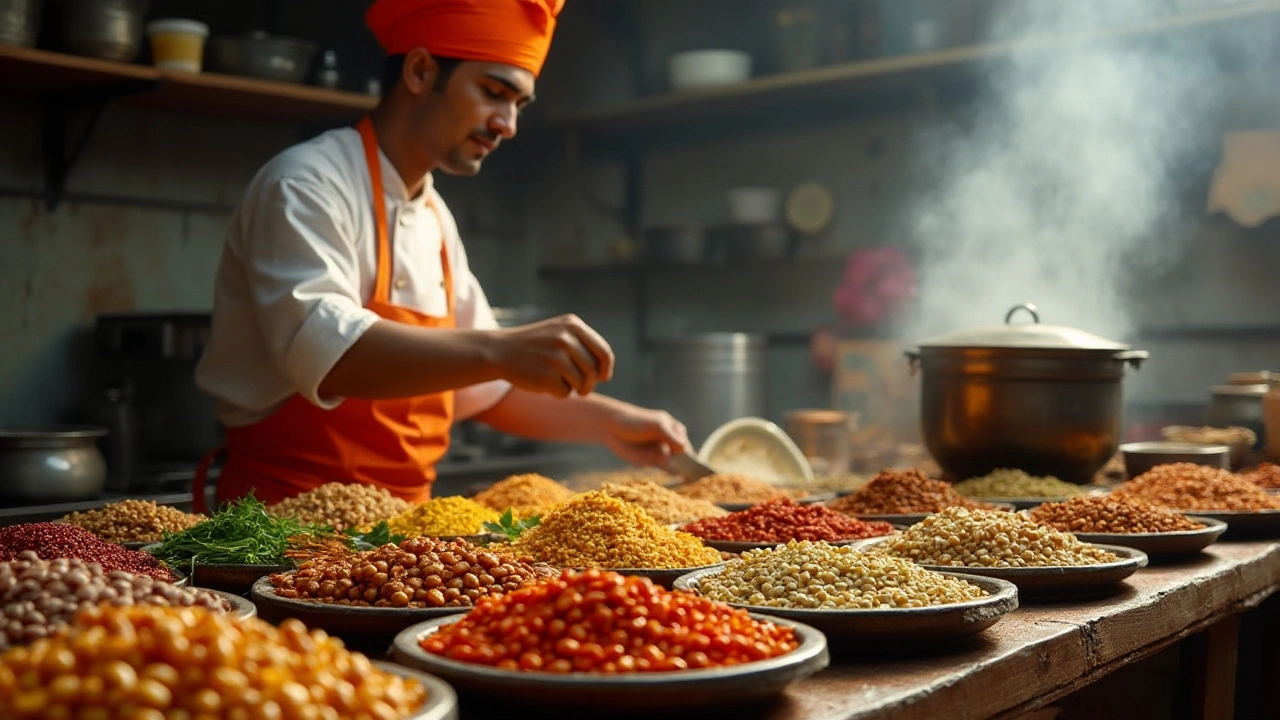
The Hidden Downsides of Delicious Dal: Are Pulses Harmful?
Pulses, while considered a staple in many cuisines, might pose certain health risks if consumed inappropriately. This article examines the potential downsides of pulses, commonly referred to in the culinary world as dal, and explores why these plant-based foods can be harmful. In addition, it provides insights into healthier preparation methods to mitigate these risks and enhance their nutritional benefits. Discover why it's essential to rethink how dal is integrated into diets, especially for those sensitive to certain components. Learn valuable tips to enjoy dal safely and deliciously.
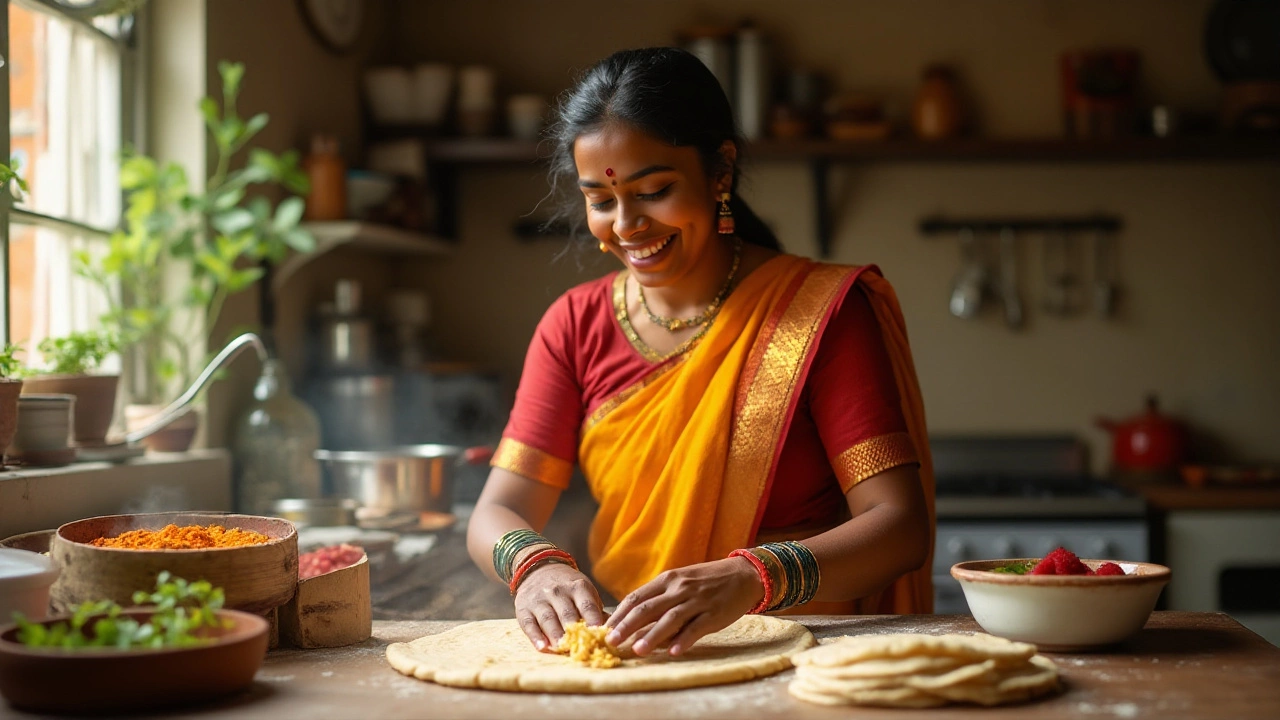
How to Keep Your Roti Soft and Fresh: Top Tips Revealed
Roti, a staple in many households, often becomes hard and unappetizing by the next day if not stored properly. Discover practical tips and tricks on how to preserve your roti’s softness and freshness. From understanding why rotis harden to exploring various methods for preparation and storage, this guide covers all you need to enjoy tender rotis even after 24 hours. Transform your cooking habits with these easy-to-follow steps and relish soft rotis with every meal.

Mastering the Art of Adding Coconut Milk to Chicken Curry
Adding coconut milk to curry can enhance its flavor, but improper techniques can lead to curdling, a common issue that frustrates many home cooks. This article explores methods to prevent curdling, ensuring a smooth, creamy curry. We delve into the science behind coconut milk, why it sometimes curdles, and offer practical tips for achieving a flawless curry experience. Learn how slow, steady heating and proper ingredient mixing can make all the difference in your culinary adventures.

India's Top Chocolate Delights: A Tasty Journey
Exploring the world of chocolate in India, we delve into what makes certain brands or homemade Indian chocolates stand out. The unique combination of cultural influences and local ingredients gives Indian chocolates a distinct flavor profile that appeals to many. This article provides insights into the most popular chocolates in India, examining their flavors, ingredients, and what makes them so beloved. Discover the art of crafting Indian chocolate and some tasty recipes to try at home.
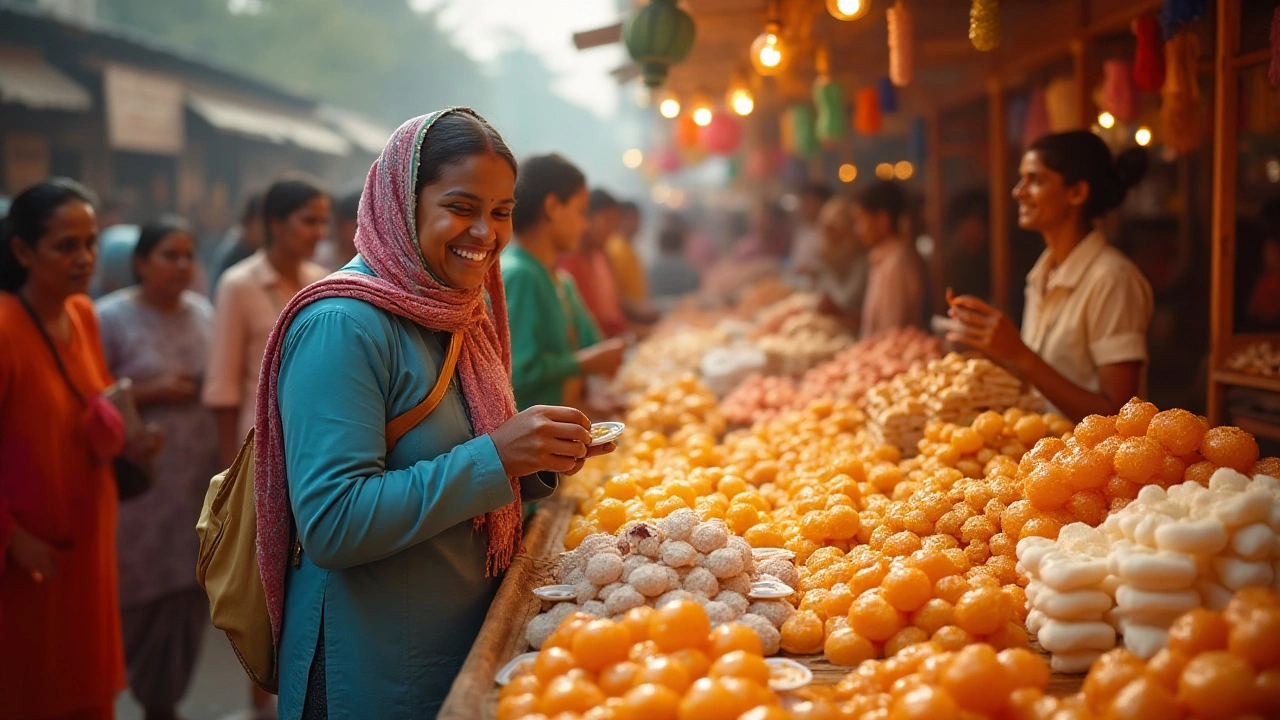
Discovering India's Most Beloved Sweet Delight
India boasts a rich tradition of sweets that are as diverse as its culture. From north to south, each region offers a unique sweet delight that tells a story of tradition, history, and flavor. The quest to determine India's number one sweet is no easy task, as choices range from the syrupy gulab jamun to the creamy rasgulla. This article explores the contenders for the title, offering insights into the making and significance of these cherished treats.

The Secrets Behind Affordable Indian Street Food Prices
Indian street food is renowned for its vibrant flavors and affordability. Exploring why these delicious treats remain cost-effective reveals a combination of economic factors, cultural influences, and efficient local practices. From the use of local ingredients to the high volume of sales, various elements contribute to keeping these culinary delights affordable for everyone. This article dives deep into the mechanisms behind the wallet-friendly prices of Indian street food.
About Us
Explore authentic and modern Indian recipes with Big Fat Indian Recipes. Discover regional dishes, cooking tips, and the stories behind India's bold flavors.
Terms of Service
Terms of Service for Big Fat Indian Recipes, an informational blog offering Indian recipes and cooking tips. Governs use, intellectual property, disclaimers, and liability under Indian law.
Privacy Policy
Privacy Policy for Big Fat Indian Recipes. Learn how we collect and use data via cookies and analytics on our Indian cuisine blog. No registration or personal data stored.