Whey After Paneer: What to Do with Leftover Liquid and Why It Matters
When you make paneer, a fresh, non-melting Indian cheese made by curdling milk with acid. Also known as Indian cottage cheese, it’s the star of curries, kebabs, and street snacks. But what happens to the liquid left behind? That’s whey after paneer, the nutrient-rich byproduct of cheese-making—and most people throw it away.
That’s a mistake. Whey after paneer, the clear, slightly tangy liquid squeezed out when paneer forms isn’t just water. It’s loaded with proteins, lactose, minerals, and live cultures. In traditional Indian kitchens, it wasn’t wasted—it went into roti dough, dals, or even drunk plain as a cooling drink after meals. Today, you can use it to boost protein in smoothies, replace water in bread recipes, or simmer it into soups for depth. It’s the same stuff used in commercial protein powders, just unprocessed and straight from your kitchen.
Some people confuse it with buttermilk or yogurt whey, but paneer whey, the specific liquid from acid-curdled milk, has a cleaner taste and higher protein content than yogurt whey. It doesn’t ferment the same way, so it won’t turn sour fast. Store it in the fridge for up to 5 days, or freeze it in ice cube trays for later use. Try adding a cup to your next batch of dosa batter—it makes the batter rise better and adds a subtle tang. Or use it instead of milk in your khichdi for extra protein without changing the flavor.
And if you’ve ever wondered why some recipes say to save the milk after boiling it for paneer—that’s the whey. It’s not a byproduct. It’s a resource. People spend money on protein shakes when they could be using what’s already in their kitchen. You don’t need fancy gadgets or supplements. Just a colander, a bowl, and the willingness to not toss it.
Below, you’ll find real recipes and tips from home cooks who’ve turned this liquid into something useful—whether it’s replacing water in parathas, using it to soak lentils for faster cooking, or even making a simple drink with a pinch of salt and lemon. No fluff. No guesswork. Just what works.
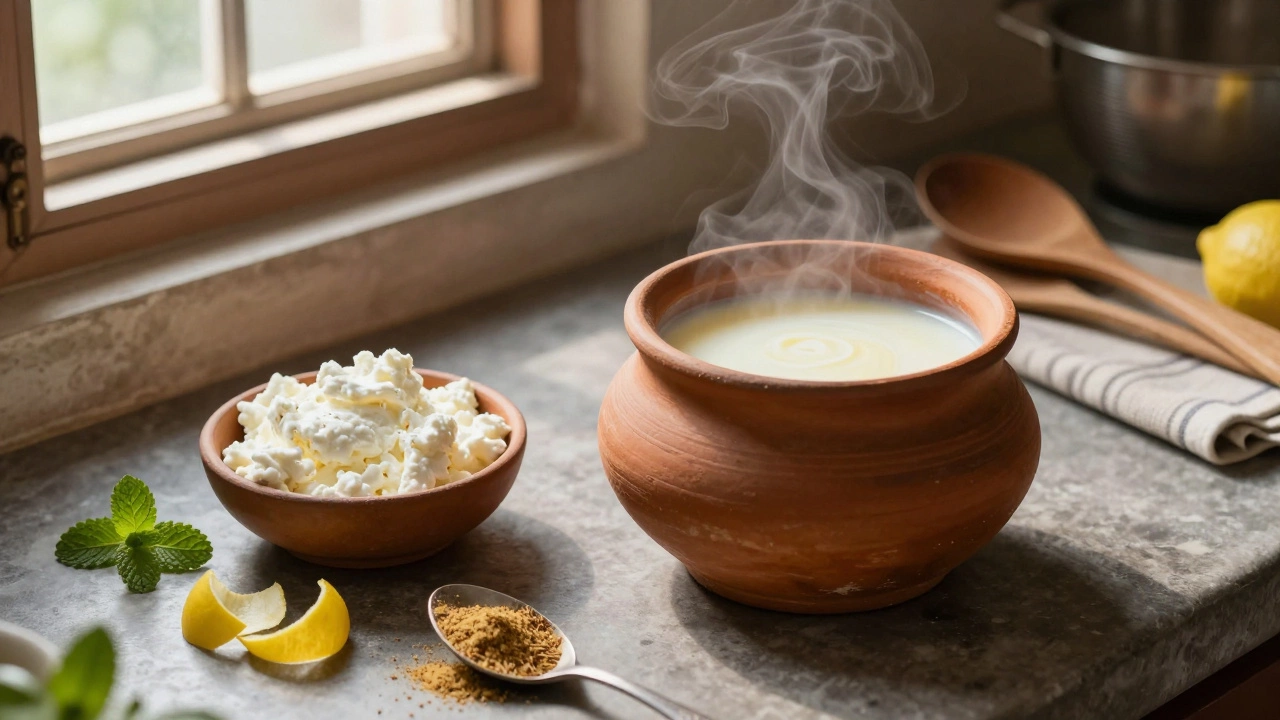
Can You Drink Whey After Making Paneer? Here's What Actually Happens
Yes, you can drink whey after making paneer at home. It's nutritious, safe if handled properly, and used traditionally in Indian kitchens. Learn how to drink it, use it in cooking, and avoid common mistakes.