Vegetarian Indian Dishes: Simple, Flavorful Meals from Every Region
When people think of Indian food, they often picture rich curries and spicy meats—but vegetarian Indian dishes, a vast, ancient tradition rooted in regional ingredients, spiritual practices, and daily life. Also known as Indian vegetarian cuisine, this style of cooking feeds more people in India than any other—and it’s not just about skipping meat. It’s about turning lentils, vegetables, dairy, and spices into meals that are deeply satisfying, nutritionally balanced, and bursting with flavor. You won’t find bland tofu substitutes here. You’ll find paneer, a fresh, non-melting cheese made by curdling milk with lemon juice or vinegar. Also known as Indian cottage cheese, it holds its shape in spicy gravies and soaks up aromatics like a sponge. Then there’s dal, a humble but powerful dish made from cooked lentils, often tempered with cumin, garlic, and dried chilies. It’s the backbone of countless Indian homes, served daily with rice or roti. These aren’t side dishes—they’re the main event.
Vegetarian Indian food varies wildly by region. In the south, you’ll find idli, steamed rice-and-lentil cakes served with coconut chutney and sambar. Also known as South Indian breakfast cakes, they’re light, fermented, and packed with gut-friendly probiotics. In the north, thick, buttery parathas, flaky whole wheat flatbreads stuffed with spiced potatoes, cauliflower, or paneer. Also known as Indian stuffed flatbreads, they’re fried in ghee and eaten for breakfast, lunch, or dinner. In the west, you’ll get dhokla—spongy fermented chickpea snacks—and in the east, you’ll find luchi with alur dom, fried bread with potato curry. Every state has its own version of what counts as a full meal.
And it’s not just about what’s on the plate. The way these dishes are made matters too. The slow simmering of dal, the careful tempering of spices in hot oil, the perfect puff of a roti—these aren’t random steps. They’re techniques passed down for generations. You don’t need fancy equipment. Just a stove, a tawa, and patience. That’s why so many people are turning to vegetarian Indian food: it’s affordable, nourishing, and doesn’t require a chef’s degree to make well.
Below, you’ll find real recipes and honest answers to common problems: Why won’t my roti puff? What can I use instead of paneer? How do I make chutney when I’m out of it? You’ll learn how to build flavor without meat, how to cook lentils so they’re creamy not mushy, and how to turn simple ingredients into meals that feel like comfort. No fluff. No filler. Just the food that millions eat every day—and how you can make it too.
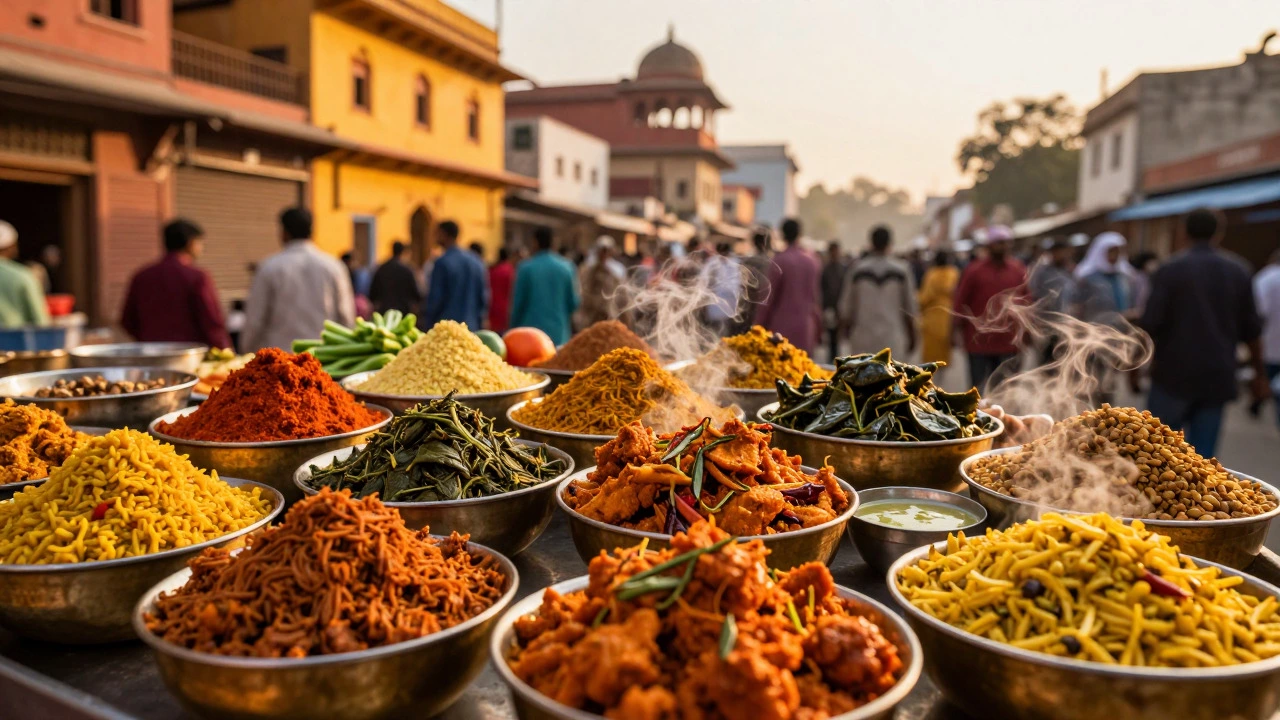
What Country Is It Easiest to Be Vegetarian? The Global Guide
Discover the easiest countries for vegetarians, from India's rich traditions to Germany's modern innovations. Learn how to navigate menus in Thailand, Italy, and beyond.

Can You Eat Non-Veg in Vrindavan? Rules and Local Food Culture
Wondering if non-veg is banned in Vrindavan? Learn about the cultural rules, local food bans, and the best vegetarian alternatives to try in the holy city.
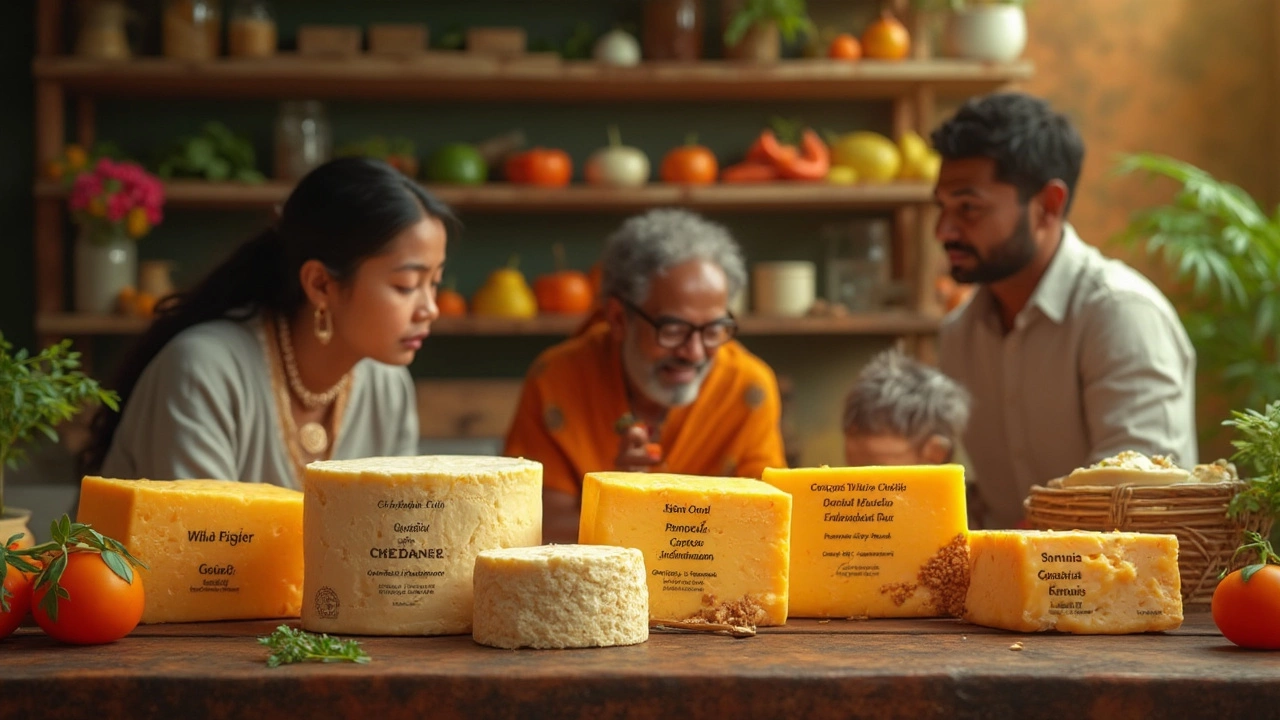
Can Indian Vegetarians Eat Cheese? The Real Story
Not all cheese is friendly for Indian vegetarians, and there’s a lot more to the story than people think. This article digs into how cheese is made, what ingredients might cause problems, and which types are safe. We’ll also talk about why paneer is king in Indian kitchens and tips for checking cheese labels. Get ready to untangle the facts and feel confident the next time you eat out or shop for cheese.
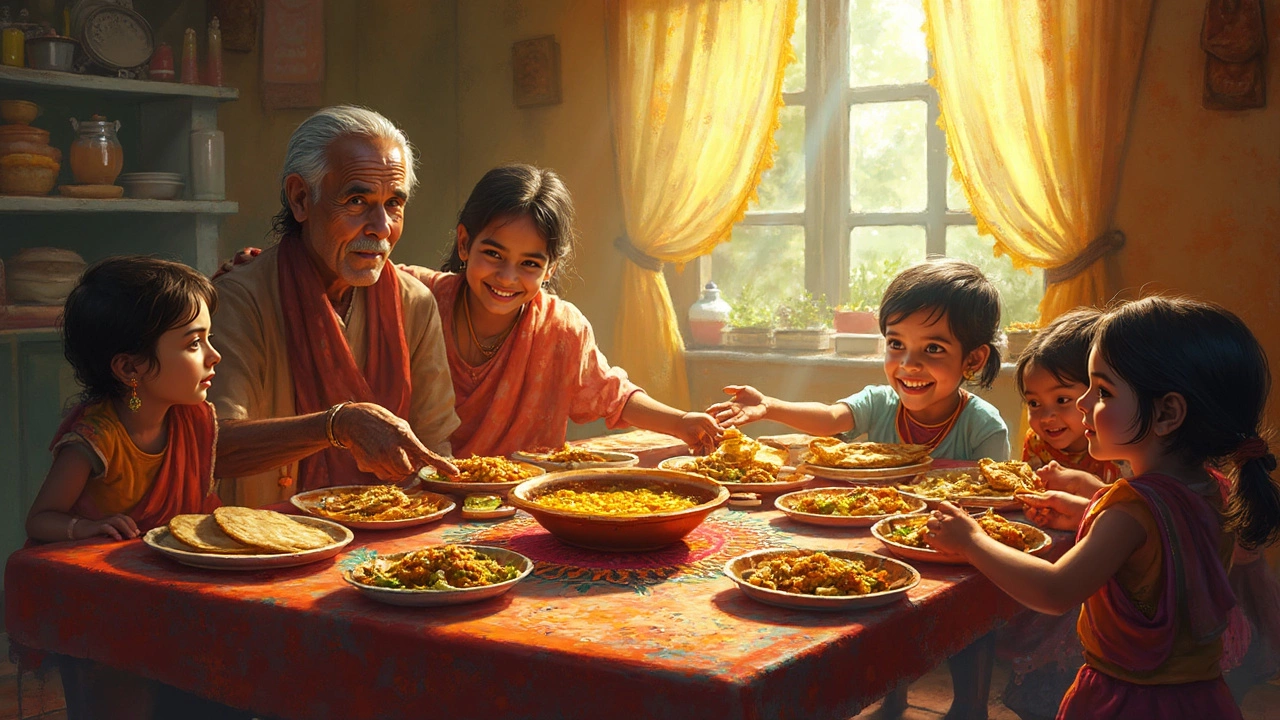
Understanding Religions and Vegetarianism: A Peek into Hinduism
Hinduism is a religion where a majority follow a vegetarian diet, deeply rooted in cultural and religious beliefs. This article explores why Hinduism embraces vegetarianism, unveiling various vegetarian dishes that are staples in this faith. Understand how these meals foster a harmonious relationship between spirituality and everyday life. From beloved classics like dal to special festival dishes, learn how vegetarianism connects deeply with the Hindu faith.

Top Vegetarian Indian Dishes to Satisfy Your Taste Buds
Discover the delicious world of vegetarian Indian cuisine, offering a rich variety of flavors and textures. From hearty curries to savory snacks, these dishes are packed with spices and wholesome ingredients. Learn about some popular vegetarian dishes like Paneer Tikka and Chana Masala, alongside tips for making them at home. Whether you're a fan of spicy flavors or prefer something milder, there's a dish for everyone. Dive into this vibrant culinary tradition and explore how easy it can be to enjoy healthy and tasty Indian meals.