Types of Dal: Common Indian Lentils and How to Use Them
When you think of Indian food, you probably think of dal, a simple, comforting dish made from cooked lentils or pulses, often spiced with turmeric, cumin, and garlic. Also known as dhal, it’s the backbone of countless meals across India—eaten daily in homes from Mumbai to Kolkata, and served with rice, roti, or even on its own. It’s not just food—it’s tradition, comfort, and nutrition all in one bowl.
Not all dals are the same. Each type has its own texture, cooking time, and flavor profile. toor dal, also called pigeon pea lentils, is the most common dal used in sambar and everyday home cooking. It cooks fast, turns creamy, and holds up well to strong spices. Then there’s masoor dal, red lentils that break down into a smooth, velvety consistency—perfect for quick weeknight meals or baby food. chana dal, split chickpeas with a nutty bite, is great for curries and snacks like chivda. And moong dal, yellow mung beans that are easy to digest and often used in sweets, is a favorite for khichdi and even desserts like moong dal halwa.
What makes dal so special isn’t just the taste—it’s how it fits into your life. It’s cheap, it’s filling, and it’s packed with protein and fiber. You don’t need fancy ingredients to make it good. A little onion, some garlic, a pinch of asafoetida, and a tempering of mustard seeds and curry leaves are all you need. The magic happens in the tadka—the sizzle of spices in hot oil that wakes up the whole dish.
You’ll find dal in every region, but each place does it differently. In the south, it’s tangy with tamarind and coconut. In the north, it’s rich with cream and butter. In the east, it’s mild and sweet. And in the west, it’s bold with dried red chilies. No matter where you are, you’ll find someone who swears their dal is the best.
And if you’ve ever wondered why some dals take forever to cook while others are ready in 20 minutes, it’s all about the type. Whole lentils like urad dal need soaking. Split ones like moong or masoor? Not so much. The difference matters if you’re short on time—or if you want that perfect texture.
There’s a dal for every mood, every meal, every body. Need something light? Go for moong. Craving something hearty? Toor dal’s got you. Want to make a snack? Chana dal fries are a crowd-pleaser. And if you’re new to Indian cooking, starting with dal is one of the smartest moves you can make. It’s forgiving, flexible, and impossible to mess up if you just follow the basics.
Below, you’ll find real recipes and tips from people who cook dal every day—how to fix bland dal, how to make it creamy without cream, and which ones pair best with rice or roti. No fluff. Just what works.
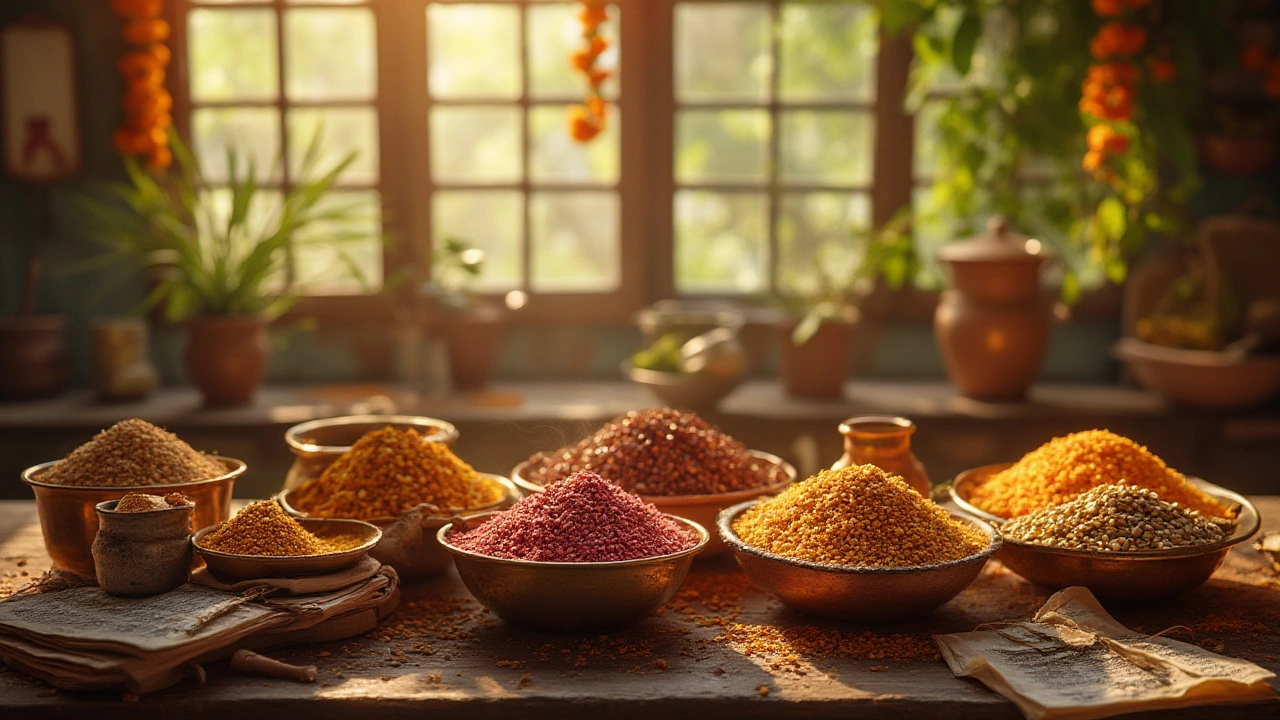
The 5 Types of Dal Explained: Flavors, Cooking Tips, and Indian Lentil Varieties
Unlock the world of dal with this guide to the 5 types of Indian lentils, how to cook them, and flavor secrets for tasty home meals.
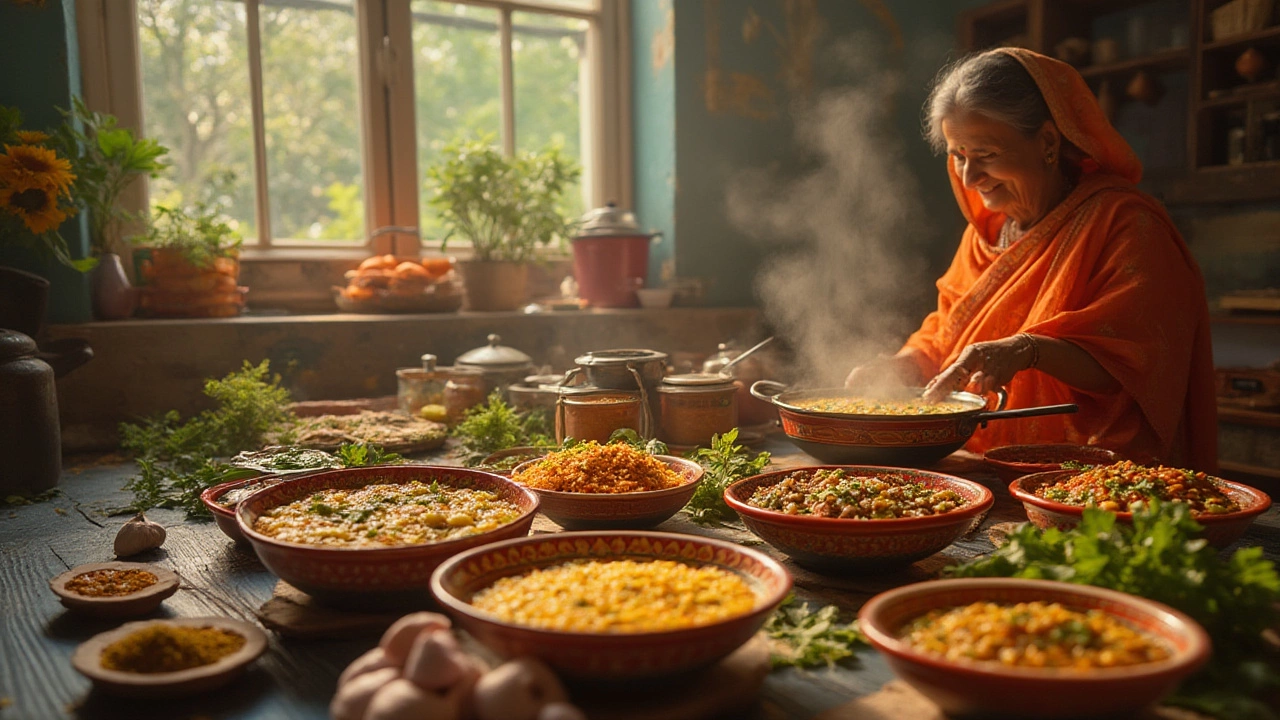
Which Dal Tastes Best? Guide to the Tastiest Indian Dal Varieties
Curious which dal is truly the tastiest? Explore flavors, textures, regional twists, and top cooking tips so you can find your favorite Indian dal.