Spices in Indian Cooking: The Heart of Flavor and Tradition
When you think of Indian food, you’re really thinking of spices, a dynamic mix of seeds, roots, fruits, and barks that transform simple ingredients into bold, layered dishes. Also known as masalas, these aren’t just seasonings—they’re the soul of every curry, biryani, and dal. No other cuisine relies on spices this deeply, not just for heat, but for aroma, balance, and even healing. A pinch of asafoetida can lift a lentil stew, while a thread of saffron turns rice into gold. Spices don’t just flavor food—they tell stories of region, season, and family tradition.
Behind every great Indian dish is a careful dance of curry spices, the core group of cumin, coriander, turmeric, and chili that form the base of most savory dishes. These aren’t random additions—they’re measured, toasted, ground, and layered in sequence to build depth. In biryani, it’s not just one spice but the combo of cardamom, cloves, cinnamon, and bay leaves that creates that unforgettable scent. And in tandoori chicken, it’s Kashmiri chili powder that gives the red hue—not food dye, but pure, sun-dried spice. biryani spices, a specialized blend used in layered rice dishes to create fragrance and complexity are often kept secret, passed down through generations, and never sold in a jar.
Spices also solve problems. Lemon juice curdles milk to make paneer. Cumin and fennel settle stomachs after a heavy meal. Turmeric reduces inflammation. These aren’t just cooking tricks—they’re ancient wisdom built into everyday meals. Even when you’re out of chutney, you’re still using spice: the tang of tamarind, the heat of green chili, the sweetness of jaggery. Every Indian kitchen has its own spice rack, and every cook knows that timing matters—add turmeric too late, and you lose color; toast cumin too long, and it turns bitter.
What you’ll find below isn’t just a list of recipes. It’s a guide to how spices actually work—in chicken curry, in roti, in biryani, even in paneer-making. You’ll learn why some spices are used raw, others fried, and why the same spice can change a dish completely depending on when it’s added. Whether you’re trying to make your roti puff, your chicken curry richer, or your biryani smell like a street stall in Lucknow, it all starts with understanding the spice.
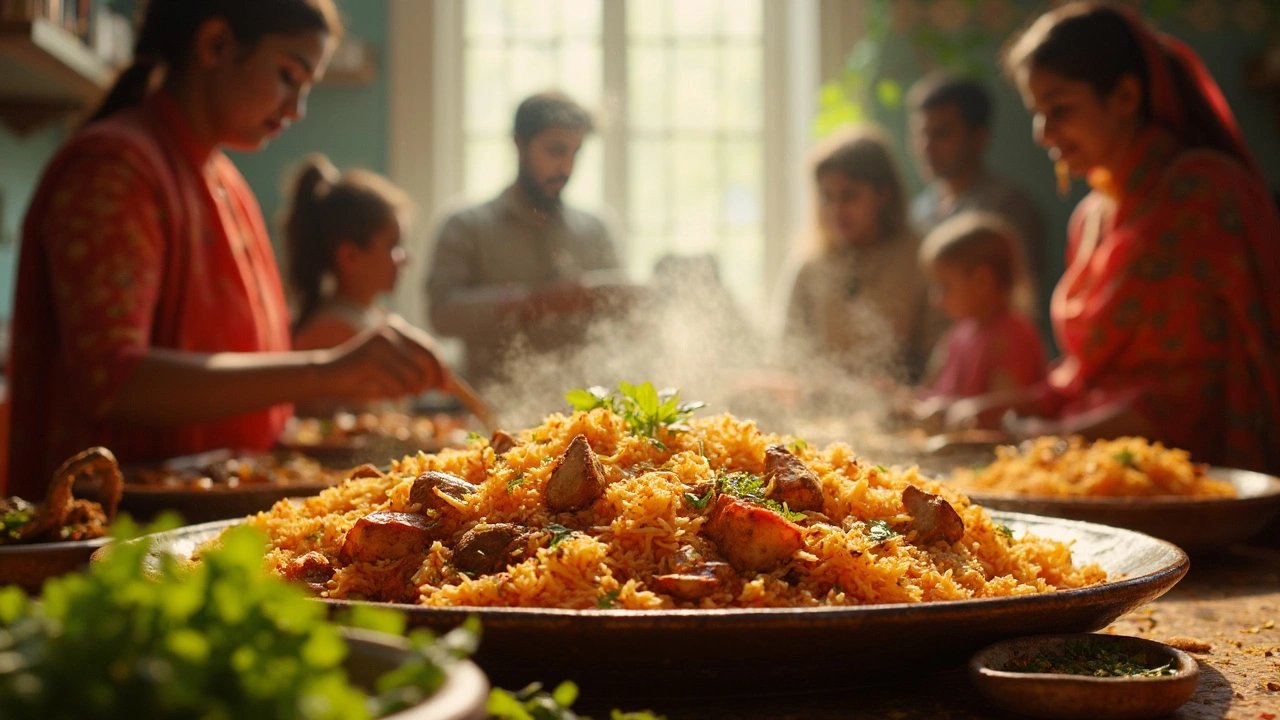
Secret Ingredients in Biryani: What Makes It Irresistible?
Ever wondered what takes biryani from good to unforgettable? This article digs into the secret ingredients and flavors that make biryani special. Discover the unique touches cooks use in different regions. Get tips for boosting taste and aroma right at home. You'll never look at this classic dish the same way again.
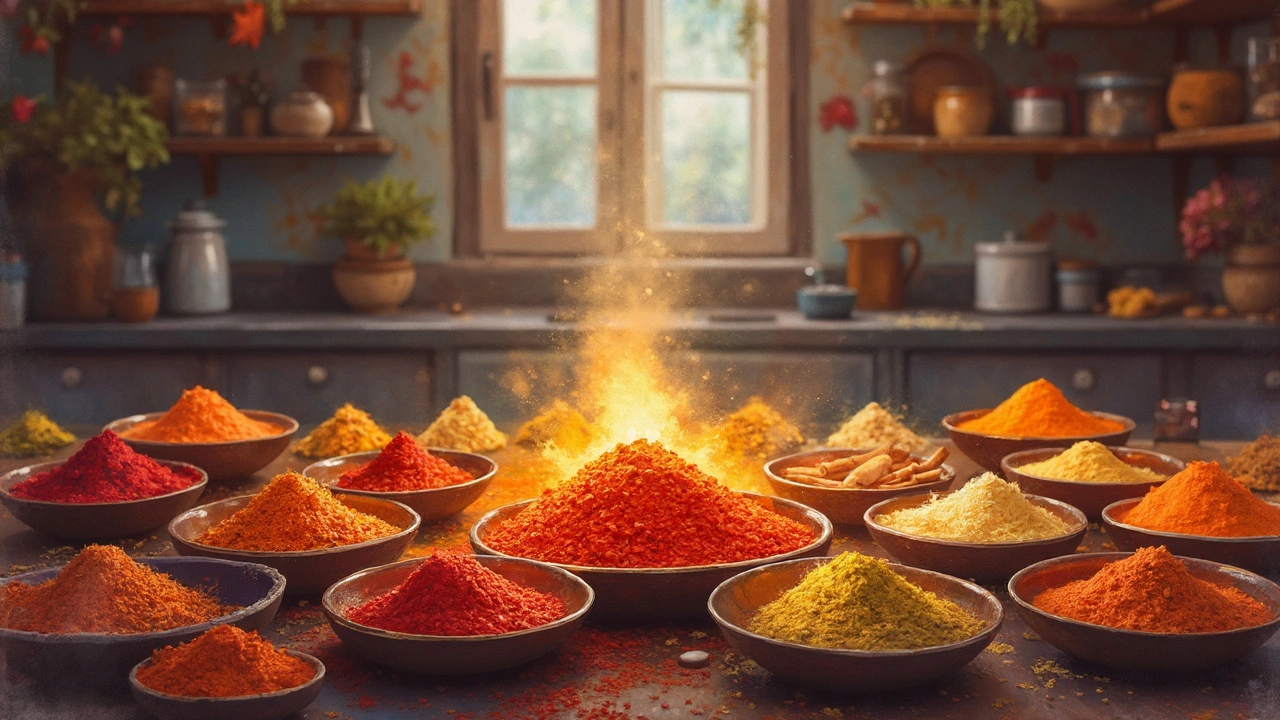
The Essential Ingredients of Garam Masala: What's Inside?
Garam masala is a quintessential spice blend in Indian cooking, lending its aromatic warmth to dishes like tandoori chicken. It's a mix of spices that varies regionally but typically includes cinnamon, cloves, and coriander. Knowing what goes into garam masala can elevate your cooking game by enhancing flavors. Learn how these spices work together and some handy tips to make the most of them. Discover the secrets behind this flavorful blend that brings Indian dishes to life.