Soaking Pulses: Why It Matters and How to Do It Right
When you skip soaking soaking pulses, the process of rehydrating dried legumes like lentils, chickpeas, and beans before cooking. Also known as pre-soaking legumes, it’s not optional—it’s the foundation of good Indian cooking. Unsoaked pulses take forever to cook, stay hard in the middle, and can make you bloated. Soaking isn’t magic, but it’s science: it breaks down phytic acid and oligosaccharides, the compounds that block digestion and cause gas. Think of it like unlocking the pulse’s full potential—softer texture, faster cooking, and better nutrient absorption.
It’s not just about dried beans, a broad category of legumes including kidney beans, black-eyed peas, and navy beans, commonly used in Indian curries and dals. The same rules apply to lentils, small, lens-shaped legumes like masoor, toor, and chana dal that form the backbone of everyday Indian meals. Even though some lentils cook faster than others, skipping soak time still means uneven texture and wasted energy. And don’t think chickpeas are an exception—those tiny hard balls you buy in bags? They need at least 8 hours in water to turn into the creamy, tender ones you get in chana masala.
How long should you soak? For most pulses, 6 to 12 hours works. Overnight is easiest. Hot water soaking? That’s a shortcut—boil them for 2 minutes, then let them sit covered for an hour. It’s not traditional, but it gets the job done when you’re short on time. Salt? Skip it until cooking. Sugar? No need. Just clean water and patience. And always rinse well after soaking—those slippery skins and floating debris? They’re not flavor boosters, they’re just junk.
Soaking pulses connects directly to everything you love about Indian food: the creamy dal, the fluffy chana, the soft rajma. It’s the quiet step before the spices come in. Skip it, and even the best recipe falls flat. Do it right, and your food becomes easier to digest, faster to cook, and richer in flavor. Below, you’ll find real recipes and tips that show exactly how soaking changes the game—from biryani rice prep to perfect paneer-making. No fluff. Just what works.
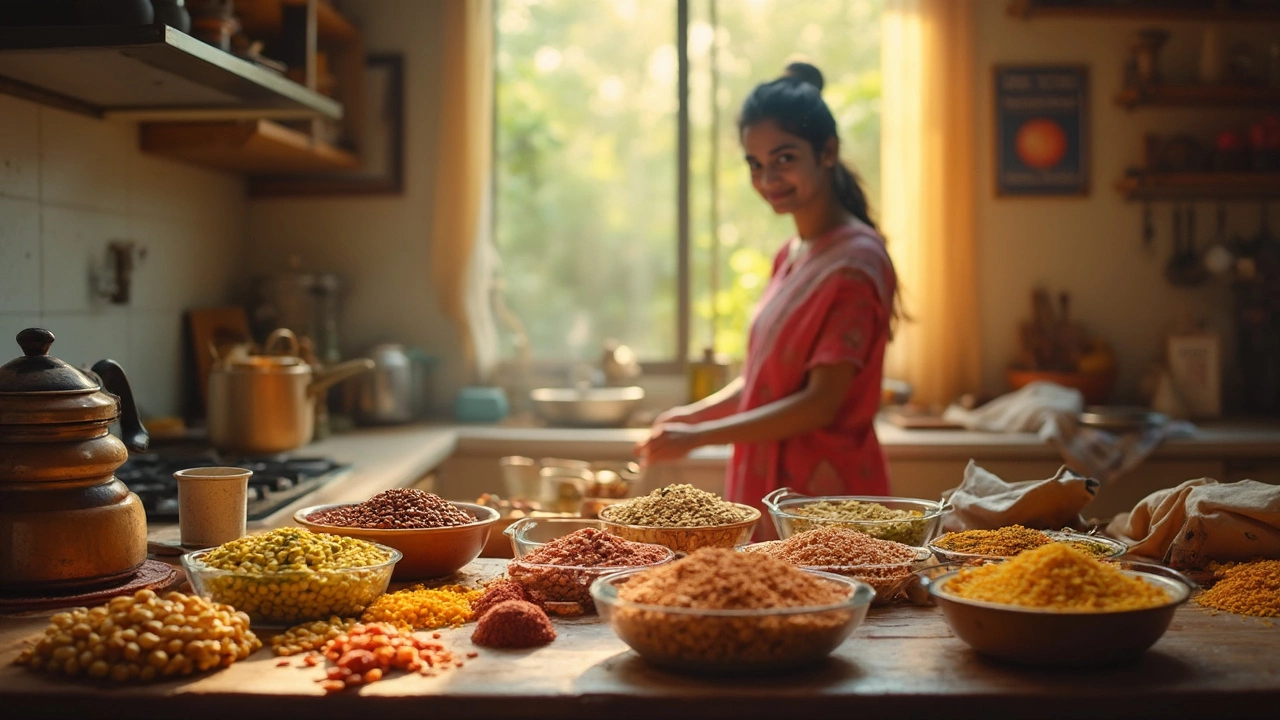
Which Pulses Need Soaking? Simple Dal Tips for Every Kitchen
Struggling to figure out which pulses need soaking before cooking? This article breaks down the essentials, explaining which dals benefit from soaking and why it matters. You'll get clear advice, real-life cooking hacks, and a deeper look at how soaking changes your favorite dal dishes. Find out which pulses you can toss straight into the pot and which ones need a little extra planning. Take the guesswork out of dal prep and make your kitchen routine smoother.