Season Tandoor Oven: How to Use, Maintain, and Get Best Results
When you're cooking with a tandoor oven, a traditional Indian clay oven that uses intense radiant heat to cook meats, breads, and vegetables. Also known as Indian clay oven, it's the secret behind that smoky, charred flavor you get in tandoori chicken and naan. But a new or unused tandoor won't deliver that flavor right away—it needs to be seasoned properly. Seasoning isn't just a step; it's what turns a clay pot into a cooking machine that lasts for years.
Seasoning a tandoor oven means coating the inside with oil and slowly heating it over time. This seals the porous clay, prevents cracking, and builds up a natural non-stick layer. Without it, your first batch of roti might stick, or worse—the oven could crack from thermal shock. Many people skip this part because they think the high heat alone will do the job. But that’s like using a cast iron pan without curing it first. You’ll get uneven cooking, smoke, and maybe even a ruined oven.
The process is simple but needs patience. Start with a thin coat of vegetable oil or ghee inside the tandoor. Light a small fire using dry wood or charcoal—no lighter fluid. Let it burn low for an hour, then turn it off and let it cool. Repeat this 3–4 times over a few days. Each time, the inside darkens a little more. That’s your seasoning layer forming. Once it’s done, your tandoor will hold heat better, cook food faster, and give you that signature smoky taste you find in restaurants.
What you cook in a seasoned tandoor matters too. tandoori chicken, marinated in yogurt, spices, and Kashmiri chili, then cooked at high heat in the tandoor. Also known as Indian grilled chicken, it’s the most iconic dish tied to this oven. But it’s not just chicken. Naan, kebabs, even vegetables like bell peppers and eggplant get that perfect char and tender center only a tandoor can deliver. The key is the intense, even heat that sears the outside while keeping the inside juicy.
Don’t confuse a tandoor with a regular oven. A home oven bakes. A tandoor roasts with live fire and radiant heat from the walls. That’s why recipes like biryani or chicken curry don’t work the same way in a regular oven—they’re built for slow steam, not direct flame. But when you use a properly seasoned tandoor, you’re not just cooking—you’re replicating a centuries-old technique that still defines Indian street food and home kitchens alike.
And maintenance? Keep it dry. Never wash the inside with water. After cooking, let the oven cool, then brush out ash with a stiff brush. If you notice cracks, don’t panic—small ones are normal. Just re-season. Big ones? Maybe it’s time for a new one. But if you treat it right, a tandoor can last decades. It’s not just a tool; it’s part of the flavor.
Below, you’ll find real guides on how to get the most from your tandoor—from the best spices for tandoori chicken to why your roti won’t puff and how to fix it. Whether you’re new to clay ovens or just trying to make your meals taste more authentic, these posts have the no-fluff answers you need.
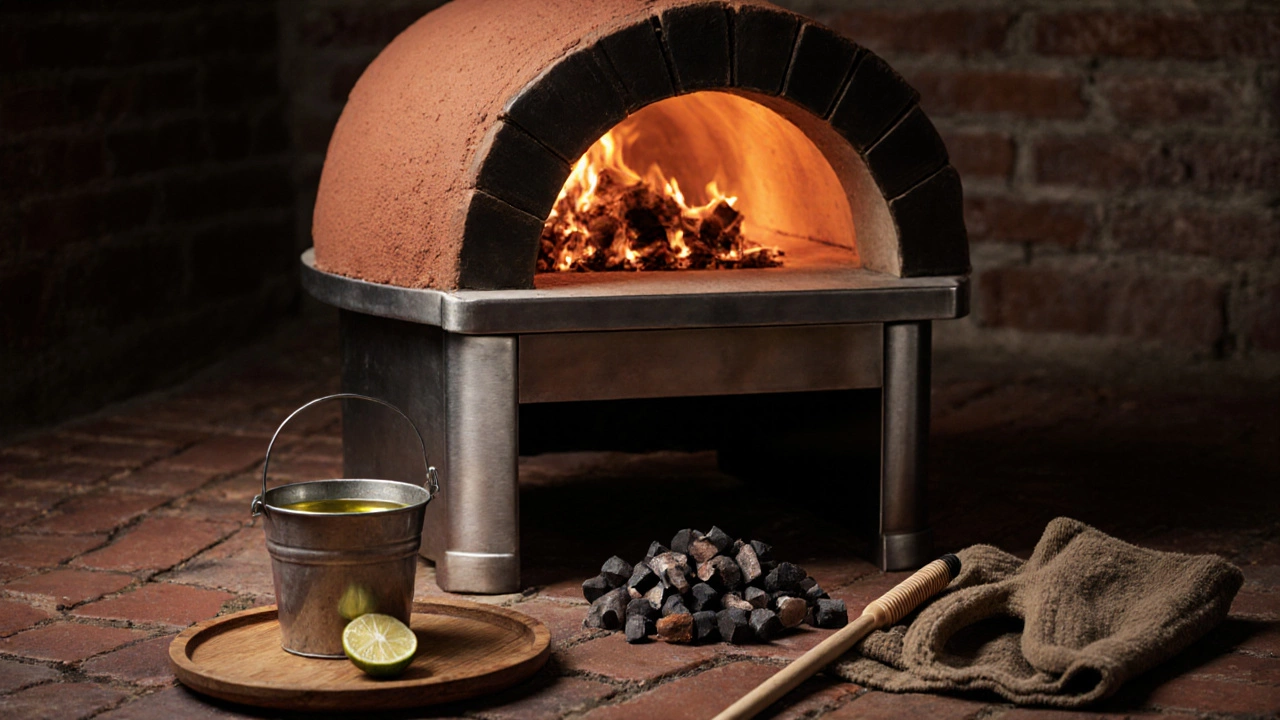
Step‑by‑Step Guide to Season a Tandoor Oven
Learn how to season a tandoor oven quickly and safely with step‑by‑step instructions, essential tools, maintenance tips, and FAQs for lasting performance.