Saffron Sweets: Rich Indian Desserts Made with Premium Saffron
When you think of saffron sweets, Indian desserts infused with the rare, fragrant stigma of the crocus flower, prized for color, aroma, and luxury. Also known as kesar dessert, it's not just flavor—it's tradition in every golden thread. Saffron doesn’t just taste different; it changes the whole experience. A pinch turns plain milk pudding into something sacred, something you save for Diwali, weddings, or just because you deserve it.
Saffron sweets rely on a few key players: kheer, a creamy rice pudding slow-cooked with milk, sugar, and saffron, often garnished with nuts, gulab jamun, soft fried dough balls soaked in syrup, where saffron adds a subtle floral note beneath the sweetness, and phirni, a chilled rice flour custard from North India, layered with saffron and cardamom. These aren’t just desserts—they’re cultural artifacts. In many homes, saffron is reserved for special occasions because it’s expensive, rare, and carries meaning. You don’t sprinkle it on everyday snacks. You honor it.
What makes saffron work so well? It’s not just about taste. It’s color. A few strands steeped in warm milk turn it golden, like sunlight in a bowl. It’s aroma—floral, earthy, almost medicinal in the best way. And it’s texture. Unlike vanilla or cinnamon, saffron doesn’t dissolve. You see it. You feel it. That’s why you never grind it into powder. You soak it. You let it breathe. You pair it with dairy, because fat carries flavor. You balance it with cardamom, rosewater, or pistachios, because saffron doesn’t shout—it whispers, and you have to lean in to hear it.
Some people think saffron is just for fancy restaurants. But in Indian kitchens, it’s been used for centuries in home cooking. You’ll find it in the sweet rice at a temple offering, in the ladoos served after a baby’s naming ceremony, in the kheer made for a newborn’s first bite. It’s not about showing off. It’s about care. Every strand matters.
And if you’ve ever wondered why some biryanis have saffron in them—yes, that’s the same spice. It’s not just for sweets. But in desserts, it shines brightest. You’ll see it in the recipes below: how it’s soaked, how much to use, how to avoid wasting it, and which regional versions get it right. Whether you’re making kheer for the first time or just want to understand why your grandmother’s saffron milk tasted like magic, you’ll find the answers here.
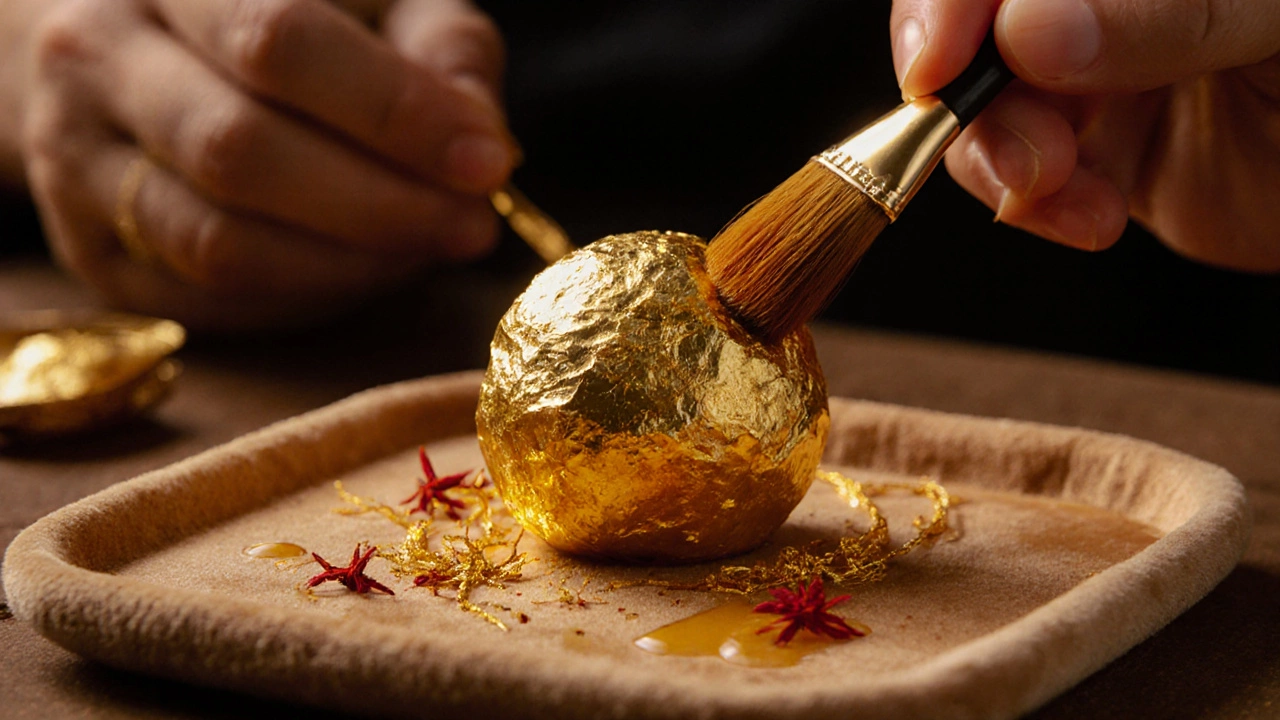
Which Indian Sweet Is the Most Expensive and Why?
The most expensive Indian sweet is a gold-leaf Moti Chur Laddoo costing ₹2.5 lakh, made with edible gold, premium saffron, and handcrafted over three days. Discover why it's priced like jewelry-and who actually buys it.