Rubbery Dosa: Why Your Dosa Turns Tough and How to Fix It
When your rubbery dosa, a thin, fermented Indian crepe that should be crisp on the outside and soft inside comes out chewy and stuck to the pan, it’s not the recipe—it’s the technique. A perfect dosa should crackle when you bite into it, not cling to your teeth like gum. The problem isn’t the flour or the rice. It’s usually one of four things: batter consistency, fermentation time, pan temperature, or oil application. These aren’t guesses. They’re fixes backed by decades of home cooking across South India, from Chennai kitchens to Bangalore street stalls.
The dosa batter, a fermented mix of rice and black lentils that forms the base of every dosa needs to be thin—like buttermilk. If it’s too thick, you’re not pouring, you’re spreading paste. And if you skip fermentation? You’re not making dosa—you’re making flat rice cakes. Fermentation isn’t optional. It’s what gives dosa its air pockets, lightness, and that signature tang. Most people ferment for 8 hours. In warm climates, 12 hours is better. Cold kitchen? Leave it overnight by the stove. The batter should double in volume, smell slightly sour, and bubble like soda water.
Then there’s the tawa, the heavy iron griddle used to cook dosas, essential for even heat distribution. A cold or unevenly heated tawa is the #1 reason dosas turn rubbery. You need it hot—really hot. Test it by flicking a few drops of water. They should dance and evaporate in under a second. If they just sit and hiss, it’s not ready. And don’t pour batter right away. Let the tawa heat for 5 full minutes after you turn on the stove. Then, use just enough oil—ghee or coconut oil—to lightly coat the surface. Too much oil makes it greasy. Too little makes it stick and tear.
And here’s the thing most blogs won’t tell you: the batter should rest again after mixing. Even if you fermented it overnight, let it sit for 20 minutes after you stir it. This lets the starches relax and the bubbles settle. Pour it from the edge inward, using the back of the ladle to swirl it into a thin circle. Don’t press down. Don’t flip it early. Wait until the edges lift and the top looks dry. That’s when you know it’s ready. Flip once, cook for 30 seconds, and you’ve got a crispy, golden dosa—not a chewy disappointment.
What you’ll find below isn’t just a list of recipes. It’s a collection of real fixes from people who’ve been there—batter that didn’t ferment, tawa that smoked, dosas that refused to crisp. You’ll learn why coconut oil works better than vegetable oil, how to fix over-fermented batter, and what to do when your dosa sticks no matter what. No fluff. No theory. Just what actually works in Indian homes, tested and repeated.
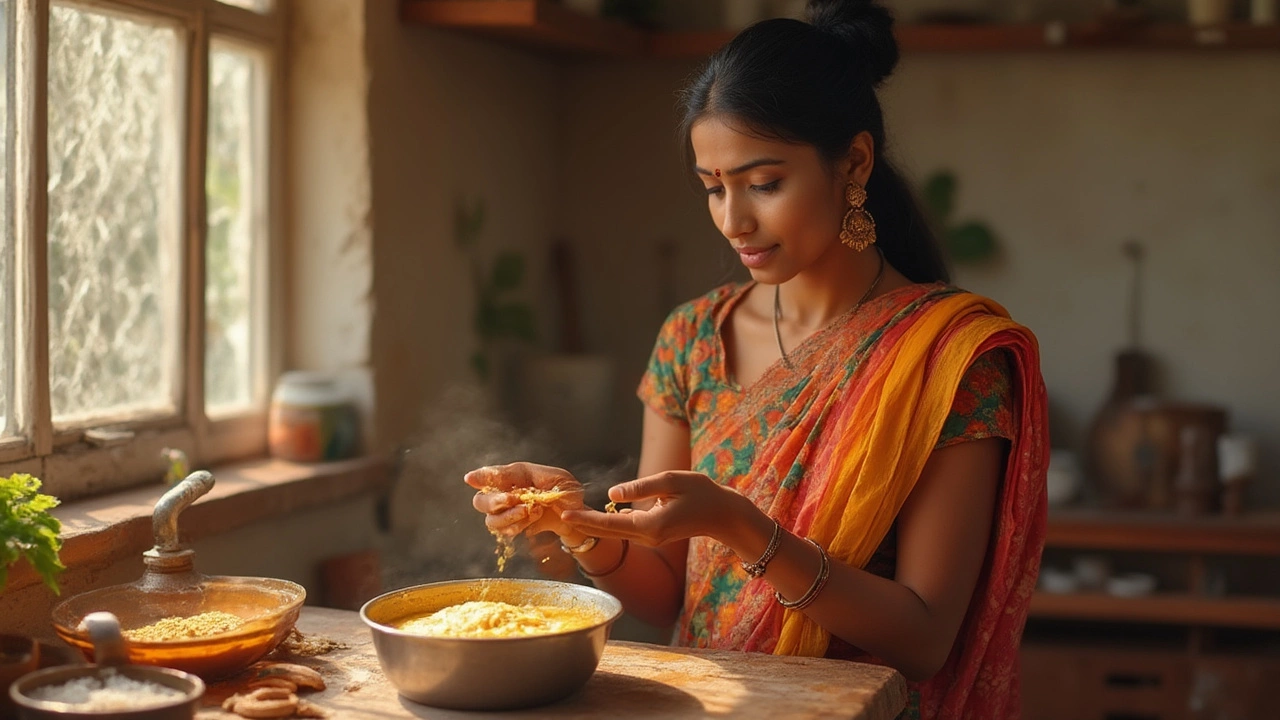
Why Your Dosa Batter Turns Rubbery: Causes, Fixes, and Pro Tips
Discover why dosa batter turns rubbery, how to fix it, and expert tips for perfect crispy dosas every time at home.