Rice Dishes: Classic Indian Recipes with Biryani, Basmati, and More
When you think of rice dishes, a broad category of meals centered around cooked rice, often layered with spices, meats, or vegetables. Also known as Indian rice meals, it's one of the most loved food groups across the country—every region has its own version, from the slow-cooked biryani, a layered rice dish with meat, spices, and saffron, often baked or steamed in the north to the simple basmati rice, long-grain aromatic rice that stays fluffy and separate when cooked served with dal in the south. These aren’t just sides—they’re the heart of the meal.
Rice dishes in India don’t just rely on boiling water and rice. They’re built on technique: how you soak the grains, when you add the spices, whether you fry them first in ghee, and how long you let them steam after cooking. A bad biryani is dry and bland. A perfect one? Fragrant, layered, with each grain standing proud. That’s why people spend hours getting the oven time right or hiding kewra water in the layers for that unforgettable smell. And it’s not just biryani—rice shows up in breakfasts like lemon rice, in snacks like fried rice cakes, and even in health trends like rice water for digestion. The basmati rice, a premium long-grain rice native to the Indian subcontinent, prized for its aroma and texture is the backbone of most of these dishes, but even that can be swapped out for short-grain or brown rice depending on the region and tradition.
What you’ll find below isn’t just a list of recipes. It’s a look at what makes these rice dishes work—the science behind why your biryani doesn’t steam right, the spices that give it that signature smell, the sides that balance it out, and even the mistakes that ruin perfectly cooked rice. You’ll see how people fix flat roti, substitute paneer, and choose the right oil for dosa—all connected back to how we eat, cook, and think about rice in India. Whether you’re trying to nail that restaurant-style biryani at home or just want to know what to serve with tandoori chicken, the posts here give you the real talk—not theory, not fluff, just what works.
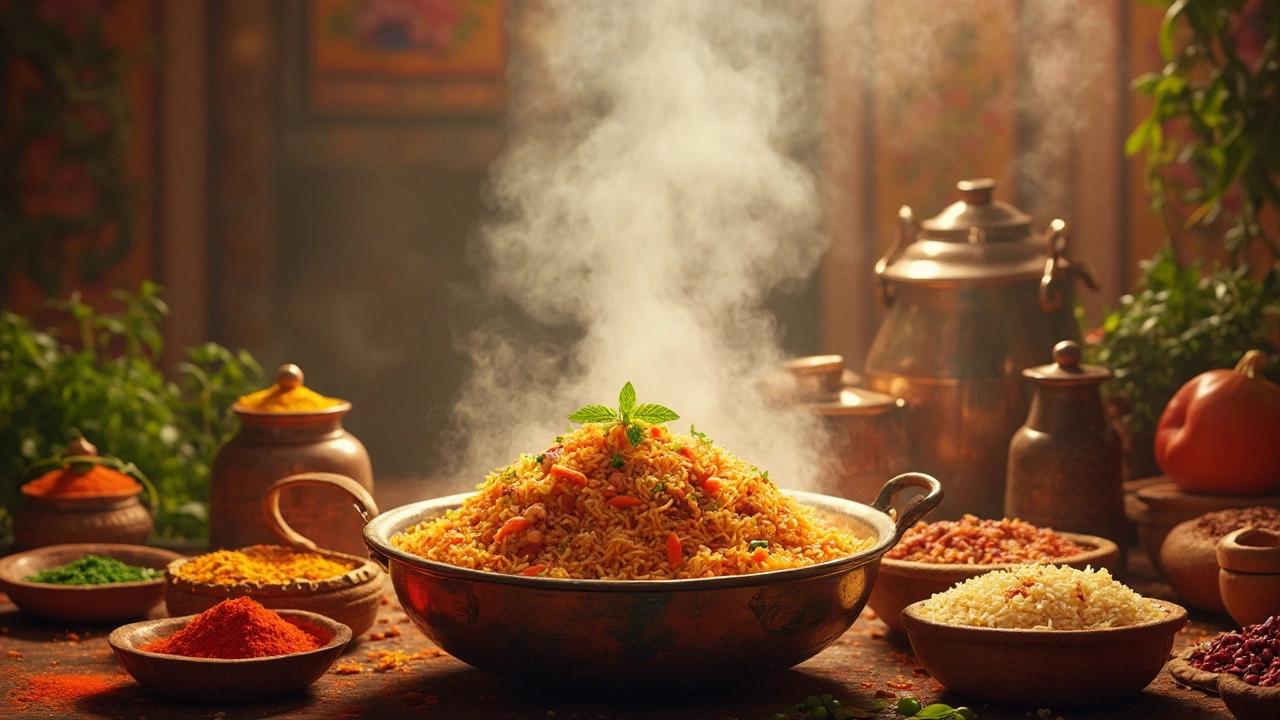
Is Biryani Healthier Than Fried Rice?
Figuring out if biryani is healthier than fried rice can be tricky, given how both dishes are loaded with flavor and calories. Biryani, with its aromatic spices and layered flavors, can provide more nutritional variety and beneficial attributes if you make some smart ingredient choices. Meanwhile, fried rice tends to be heavier in oils and less diverse in nutrients, often making it less suitable for the health-conscious eater. This article explores the health aspects and tips to make both dishes leaner and more nutritious.