Rice and Biryani Recipes: Perfect Flavors, Proven Techniques
When you think of rice and biryani recipes, a category of Indian dishes centered around fragrant, layered rice cooked with spices, meat, or vegetables. Also known as Indian rice meals, these dishes aren’t just food—they’re an experience built on timing, spice, and tradition. A good biryani doesn’t just taste good—it smells like a spice market in Lucknow at sunset. That scent? It’s not from curry powder. It’s from saffron soaking in warm milk, kewra water drifting through steam, and whole spices toasted just long enough to release their oils without burning.
basmati rice, a long-grain rice native to the Indian subcontinent, prized for its aroma and ability to stay separate when cooked. Also known as aromatic rice, it’s the backbone of every great biryani and many everyday Indian rice dishes. You can’t fake it with regular white rice. Basmati expands lengthwise, not widthwise, giving you those long, fluffy strands that don’t turn mushy. And the cooking method? It’s not just boiling. It’s par-cooking, layering, sealing with dough, then slow-steaming in the oven—exactly 25 minutes at 325°F—to let the steam do the work without drying out the grains. That’s the secret behind the perfect texture you see in restaurant biryanis.
Then there’s the biryani spices, a blend of whole and ground spices like cardamom, cloves, cinnamon, and star anise, often toasted and ground fresh for maximum impact. Also known as biryani masala, this isn’t something you buy in a jar and call it done. Real biryani spice mixes are layered—some go in with the meat, some with the rice, and some are fried in ghee at the end for that final burst of fragrance. The green garnish you see on top? That’s not just decoration. Cilantro and mint add freshness that cuts through the richness, and they’re added at the right moment so they don’t turn brown and bitter.
People ask why their rice turns out sticky. Or why their biryani smells flat. It’s never the recipe. It’s the technique. Over-soaking rice. Skipping the soak. Using the wrong oil. Not letting the meat cook down before adding rice. These aren’t small mistakes—they’re game-changers. And that’s why the posts here don’t just give you steps. They show you what goes wrong, why it goes wrong, and how to fix it in real time.
From the golden threads of saffron in a ₹2.5 lakh Moti Chur Laddoo to the humble rice water used in traditional diets, this collection ties rice to culture, health, and daily life in India. You’ll find answers to why your roti won’t puff, what replaces paneer in a curry, and how to make chicken curry taste like it came from a tandoor. But here, it’s all connected—because rice isn’t just a side. It’s the canvas. And biryani? It’s the masterpiece.
Below, you’ll find real fixes, real stories, and real recipes—from oven-baked biryanis that taste like street food to the exact way to layer spices so your kitchen smells like a festival. No fluff. Just what works.
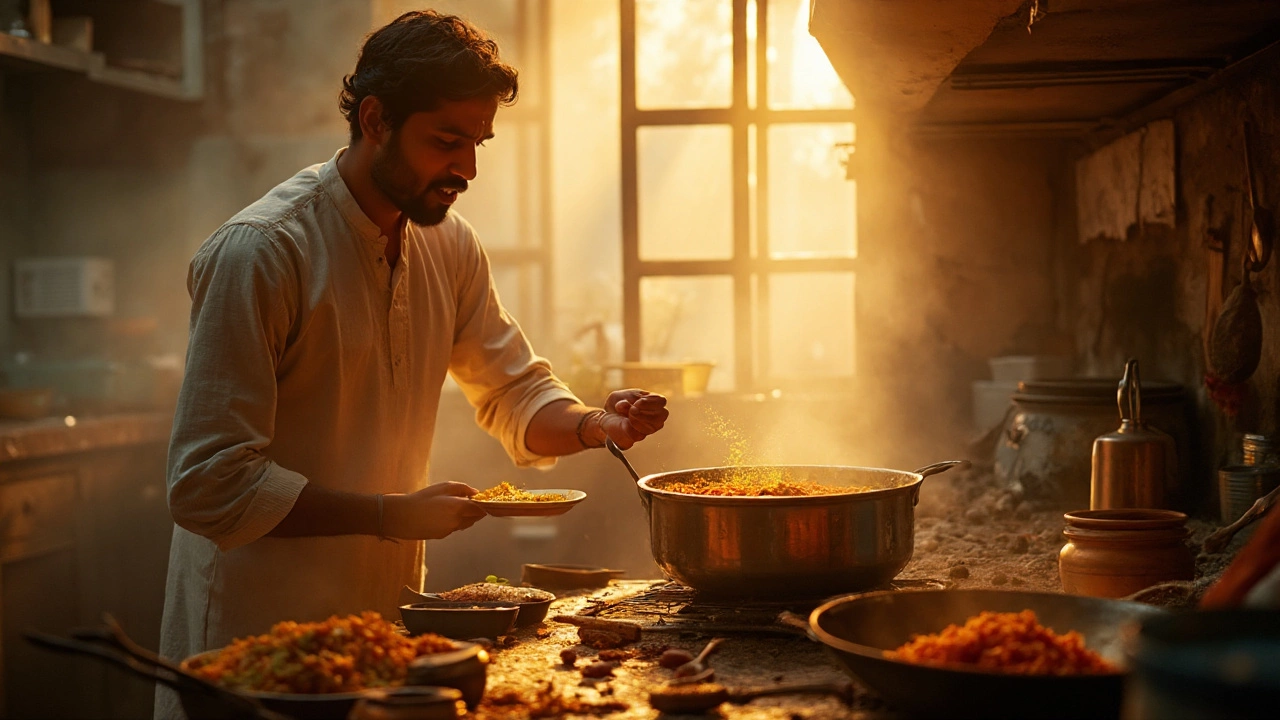
Why Your Biryani Isn’t Tasty: Real Reasons and Fast Fixes That Work
Biryani tastes flat? Here’s why-salt, browning, aroma, and steam-and how to fix it fast. Clear steps, checklists, rescue tricks, and a foolproof method.