Poultry Illness: Signs, Causes, and Safe Cooking Practices for Indian Kitchens
When you buy chicken for your biryani or tandoori curry, you're not just buying meat—you're trusting that it's safe to eat. poultry illness, a condition affecting chickens and other birds that can lead to unsafe meat for human consumption. Also known as chicken disease, it's not just about sick birds—it's about what ends up on your plate. In India, where chicken is a daily staple in homes from Mumbai to Patna, understanding poultry illness isn’t optional. It’s part of cooking responsibly.
Most people think if they cook chicken long enough, any problem goes away. But that’s not true. Salmonella, a common bacteria found in infected poultry that causes food poisoning doesn’t vanish just because the meat turns brown. It multiplies fast in warm, damp conditions—like a chicken left out on the counter after buying it from the market. And antibiotic resistance, when farm animals are over-treated with drugs, making infections harder to treat in humans is growing in India’s poultry supply. You won’t see it. You won’t smell it. But it can still make you sick.
That’s why your cooking habits matter more than you think. Washing raw chicken? That spreads germs. Using the same cutting board for chicken and veggies? That’s how cross-contamination happens. Even the way you store chicken in your fridge can turn a healthy bird into a health risk. The good news? You don’t need a lab to keep your kitchen safe. Just follow a few simple rules: buy from trusted vendors, keep chicken cold until you cook it, cook it to at least 165°F (74°C), and never reuse marinades unless you boil them first.
Look at your favorite recipes—tandoori chicken, chicken curry, biryani. They all rely on chicken that’s fresh, clean, and handled right. If the chicken was sick before it reached your kitchen, no amount of spices will fix that. That’s why the posts below cover everything from egg safety and chicken curry secrets to how to spot bad meat before you buy it. You’ll find real, practical advice from people who’ve been there—whether it’s knowing why some markets sell chicken that looks too red, or how to tell if your chicken is truly cooked through. This isn’t about fear. It’s about confidence. Confidence that your food is safe, flavorful, and truly worth eating.
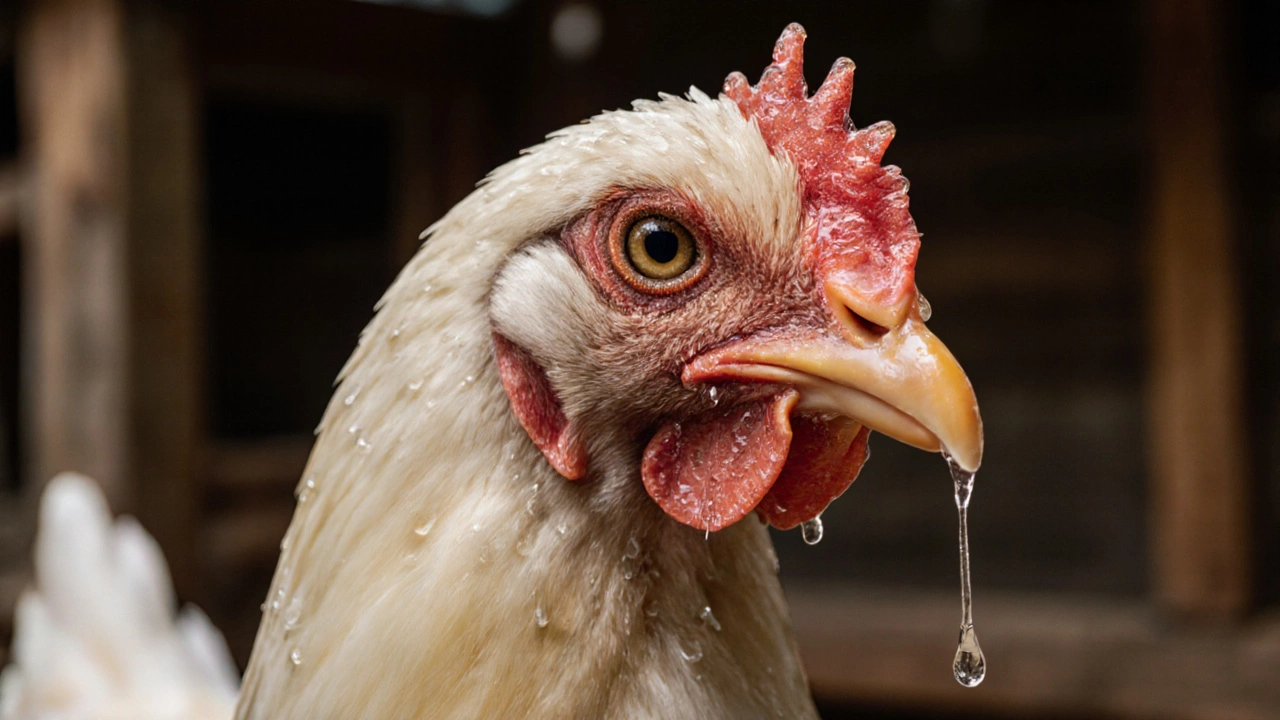
What Is the Liquid Coming Out of My Chicken’s Mouth? (It’s Not What You Think)
Clear liquid from a chicken's mouth isn't poison-it's usually mucus or crop fluid from stress or cold. Learn when it's harmless and when to discard the bird before cooking.