Over-Fermented Dosa Batter: Fix It, Use It, or Skip It?
When your over-fermented dosa batter, a batch of rice and lentil batter that’s been left too long and developed a strong sour smell and bubbly texture. It’s not broken—it’s just changed. Most people panic when they see it: big bubbles, a sharp tang, maybe even a little grayish film on top. They think it’s ruined. But in Indian kitchens, this isn’t failure—it’s a signal. Over-fermented dosa batter is still usable, often better for some dishes, and sometimes even preferred for its deeper flavor.
The science is simple: lactic acid bacteria and yeast do their job over 8–12 hours, turning starches into acids and gases. That’s what makes dosa light and crisp. But if you leave it 24+ hours, especially in warm weather, those microbes keep going. The batter gets sourer, thinner, and loses its rise power. That’s when you hear people say, "It’s too sour," or "It won’t puff." But here’s the truth: sourness isn’t bad. In fact, traditional South Indian households often let batter ferment longer for more digestibility and tang. The real issue isn’t taste—it’s texture and consistency.
You don’t need to toss it. Add a pinch of salt, stir well, and if it’s too runny, mix in 1–2 tablespoons of fresh rice flour or semolina to thicken it. For dosas, you might need a little more oil in the pan, but the crispness will still come. Use it for uttapam, pesarattu, or even as a base for fermented pancakes. The tang? It pairs perfectly with coconut chutney or tomato-onion sambar. And if you’re making idlis, over-fermented batter gives them a softer, fluffier texture. Even if you don’t cook with it, you can use it as a natural leavening agent in roti dough or as a starter for fermented rice porridge.
What to Avoid With Over-Fermented Dosa Batter
Don’t add baking soda unless you’re desperate. It neutralizes the acid, kills the flavor, and makes the batter taste chemical. Don’t refrigerate it hoping to stop fermentation—it doesn’t work that fast. And don’t assume it’s spoiled just because it smells strong. Spoiled means mold, foul odor, or slimy texture. Over-fermented is just… extra. If you see green or black fuzz, then yes—pitch it. But if it’s just bubbly and sour? That’s your kitchen doing its job.
What you’ll find below are real fixes, clever uses, and stories from home cooks who turned a "mistake" into their best batch ever. Some recipes use over-fermented batter on purpose. Others show how to rescue it in minutes. No theory. No fluff. Just what works in the kitchen, day after day.
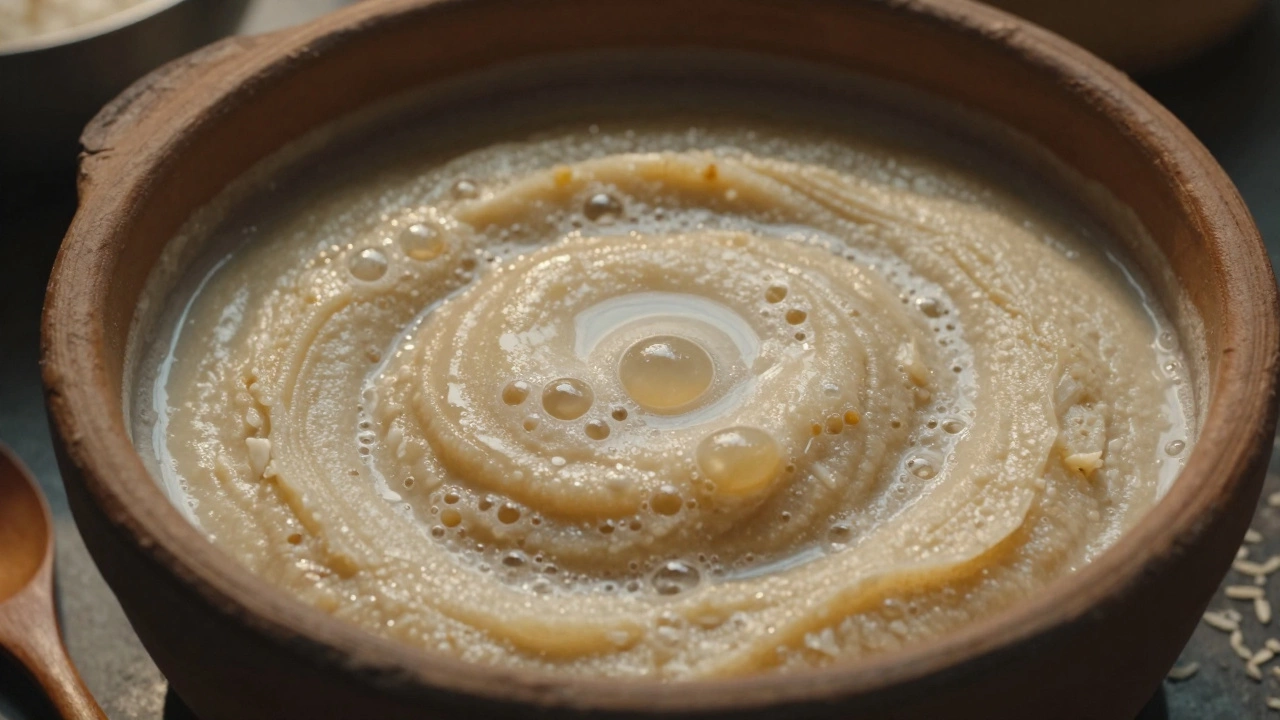
Is It Safe to Eat Over-Fermented Dosa Batter? What Happens When It Sours Too Much
Is over-fermented dosa batter safe to eat? Learn what happens when it sours too much, how to tell if it's spoiled, and simple fixes to save your batter without risking your health.