Nutrition in Indian Food: Healthy Dishes, Smart Swaps, and What Really Matters
When we talk about nutrition, the science of how food fuels your body and supports long-term health. Also known as dietary value, it’s not just about calories—it’s about what your body actually gets from what you eat. Indian food often gets a bad rap for being heavy or oily, but that’s not the whole story. Many traditional dishes are packed with protein, fiber, and anti-inflammatory spices—just as long as you know what to look for.
Take paneer, a fresh, non-melting cheese made from milk and acid, widely used in curries and snacks. It’s a powerhouse of protein and calcium, with less saturated fat than most Western cheeses. Compare it to cheddar or mozzarella, and paneer often wins on nutritional balance—especially if you make it at home with whole milk. Then there’s chutney, a tangy, spicy condiment made from fruits, herbs, or vegetables, used to balance meals. Store-bought versions are full of sugar, but homemade chutney with mango, tamarind, or mint adds flavor without the crash. It’s not just a side—it’s a nutrition booster.
Indian meals are built on layers: lentils for fiber, yogurt for probiotics, turmeric for inflammation control, and whole grains like millet or brown rice for steady energy. The real problem? Modern cooking and restaurant habits sneak in too much oil, refined flour, and sugar. That’s why knowing the difference between a tandoori chicken (grilled, spiced, lean) and a butter chicken (creamy, fried, heavy) matters more than you think. The same goes for rice water—some swear it helps with digestion and weight loss, and while it’s not magic, it’s a low-calorie way to use what’s usually thrown away.
You don’t need to go vegan or gluten-free to eat well with Indian food. You just need to know what’s actually good for you. That’s why this collection focuses on real nutrition—not trends. You’ll find out which Indian dishes are truly nutrient-dense, why some "healthy" swaps fail, and how to make your meals work harder for your body. Whether you’re swapping paneer for cheese, choosing the right oil for dosa, or avoiding the sugar trap in chutney, every post here gives you a clear, practical edge. No fluff. Just what works.
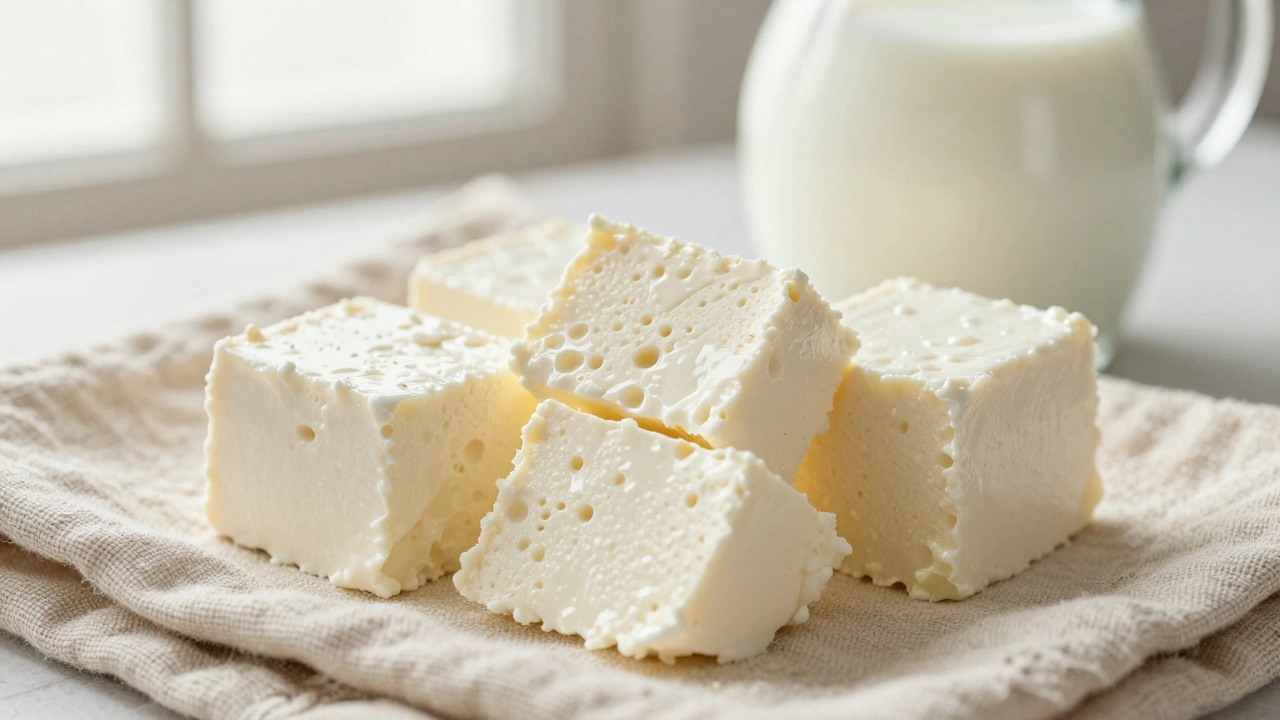
Is Paneer Good for You? Health Benefits, Risks, and Nutrition Facts
Explore the nutritional truth about paneer, covering benefits, risks, and differences between homemade and store-bought options for a balanced diet.
Is Dal a Carb or Protein? The Real Scoop for Home Cooks
Ever wondered whether dal is mainly a carb or a protein? This article breaks down the nutrition facts in plain English, so you'll know exactly what you're eating when you cook up a pot of dal. Get the lowdown on the carbs and the protein found in lentils, plus learn how to make your dal even more nutritious. Real tips, real answers—nothing confusing. Perfect for anyone who loves simple recipes but wants to eat smart.

What is the Most Unhealthiest Food in the World? Healthy Indian Snack Picks
Everyone loves a tasty snack, but not all treats are kind to your body. This article digs into what makes some foods the worst for your health—think deep-fried, sugar-packed, and processed. You'll find out what food experts say is the king of bad-for-you eats, and why it gets that reputation. Plus, you'll see tasty Indian snack swaps that won't wreck your health. Save your cravings with smarter choices.