Negative Effects of Lentils: What You Need to Know Before Eating More
When you think of lentils, you probably picture a cheap, protein-packed superfood. And for most people, that’s true. But negative effects of lentils, unexpected digestive problems and nutrient-blocking compounds that can interfere with your health are real—and often ignored. Not everyone tolerates them well, and skipping prep steps can turn a healthy meal into a stomachache waiting to happen.
Lentils are full of anti-nutrients, natural compounds like phytic acid and lectins that block mineral absorption. These aren’t toxins—they’re plant defenses. But if you eat lentils raw or undercooked, your body can’t absorb iron, zinc, or magnesium properly. That’s why soaking and cooking matters. Even then, some people still get bloated, gassy, or crampy after eating them. That’s not just "eating too fast." It’s often lentil intolerance, a sensitivity to the fermentable carbs called FODMAPs that trigger gut discomfort. Studies show up to 30% of people with IBS see flare-ups from lentils, even when they’re cooked well.
And it’s not just your gut. Lentils are high in fiber, which sounds great—until you suddenly double your intake. Your digestive system needs time to adjust. Jumping from white rice to a big bowl of dal without ramping up slowly can lead to serious bloating. Some people also react to the natural sugars in lentils, especially if they have small intestinal bacterial overgrowth (SIBO). And while lentils are often called a meat substitute, they don’t give you the same bioavailable iron as red meat. Pairing them with vitamin C helps, but if you’re anemic and relying only on lentils, you might not see results.
There’s no rule that says everyone must love lentils. If you’ve tried them and felt worse afterward, it’s not weakness—it’s biology. The good news? Most negative effects can be reduced. Soak them overnight, rinse well, cook thoroughly, and start with small portions. If symptoms stick around, it might be worth testing for food sensitivities. What you’ll find below are real stories and practical fixes from people who’ve been there: how to eat lentils without the bloat, how to tell if they’re really causing your issues, and what alternatives work just as well when lentils don’t.
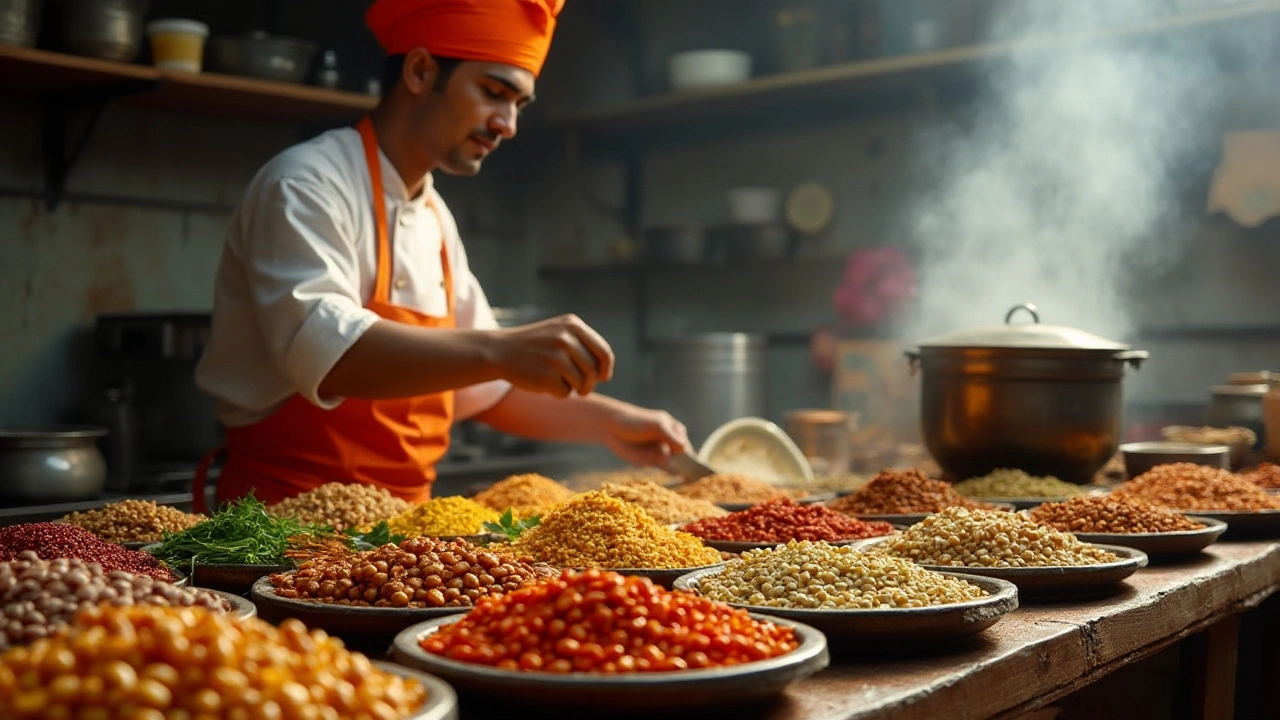
The Hidden Downsides of Delicious Dal: Are Pulses Harmful?
Pulses, while considered a staple in many cuisines, might pose certain health risks if consumed inappropriately. This article examines the potential downsides of pulses, commonly referred to in the culinary world as dal, and explores why these plant-based foods can be harmful. In addition, it provides insights into healthier preparation methods to mitigate these risks and enhance their nutritional benefits. Discover why it's essential to rethink how dal is integrated into diets, especially for those sensitive to certain components. Learn valuable tips to enjoy dal safely and deliciously.