Mithai History: The Sweet Stories Behind India's Beloved Desserts
When you bite into a warm mithai, a traditional Indian sweet made from milk, sugar, and spices, often shaped into balls, discs, or layers. Also known as Indian dessert, it's more than just sugar—it's history wrapped in syrup. Every piece of laddoo, jalebi, or barfi carries a story. These aren’t just snacks; they’re heirlooms passed down through generations, shaped by empires, monsoons, and temple rituals.
Mithai history ties directly to India’s trade routes. Sugarcane came from the east, dairy farming thrived in the north, and spices like cardamom and saffron traveled from the Middle East. By the Mughal era, royal kitchens perfected milk-based sweets using slow-cooked khoya, turning simple ingredients into luxury. The khoya, reduced milk solids used as the base for most traditional mithai became the backbone of sweets like gulab jamun and peda. Meanwhile, in the south, jalebi’s spiral shape and syrupy crunch echoed Persian influences, while in the west, modaks filled with coconut and jaggery honored Ganesh’s love for sweet things.
What makes mithai different from other desserts? It’s not just taste—it’s timing. Mithai appears at weddings, Diwali, births, and even funerals. In some villages, offering a laddoo to a guest is a sign of welcome. The saffron, expensive spice used to color and flavor premium mithai like moti chur laddoo isn’t just for looks—it’s a status symbol. Even today, the most expensive sweets in India, like gold-leaf laddoos, aren’t eaten daily—they’re given as gifts, displayed at ceremonies, or bought as collectibles.
There’s no single origin story for mithai. It’s a patchwork of regional pride, religious offerings, and family secrets. Some recipes were lost in wars, others revived by grandmothers in small towns. You won’t find them in cookbooks alone—you’ll find them in the hands of vendors who’ve been making the same sweet for 50 years, in the steam rising from a clay pot in a temple courtyard, or in the way a mother smiles when her child asks for one more piece.
What you’ll find in the posts below isn’t just recipes. It’s the why behind the sweetness. Why does a moti chur laddoo cost more than a diamond? Why does jalebi taste different in Lucknow than in Kolkata? Why do some families use ghee instead of oil? You’ll learn how ingredients, tools, and traditions shaped these sweets—and how they still shape Indian kitchens today.
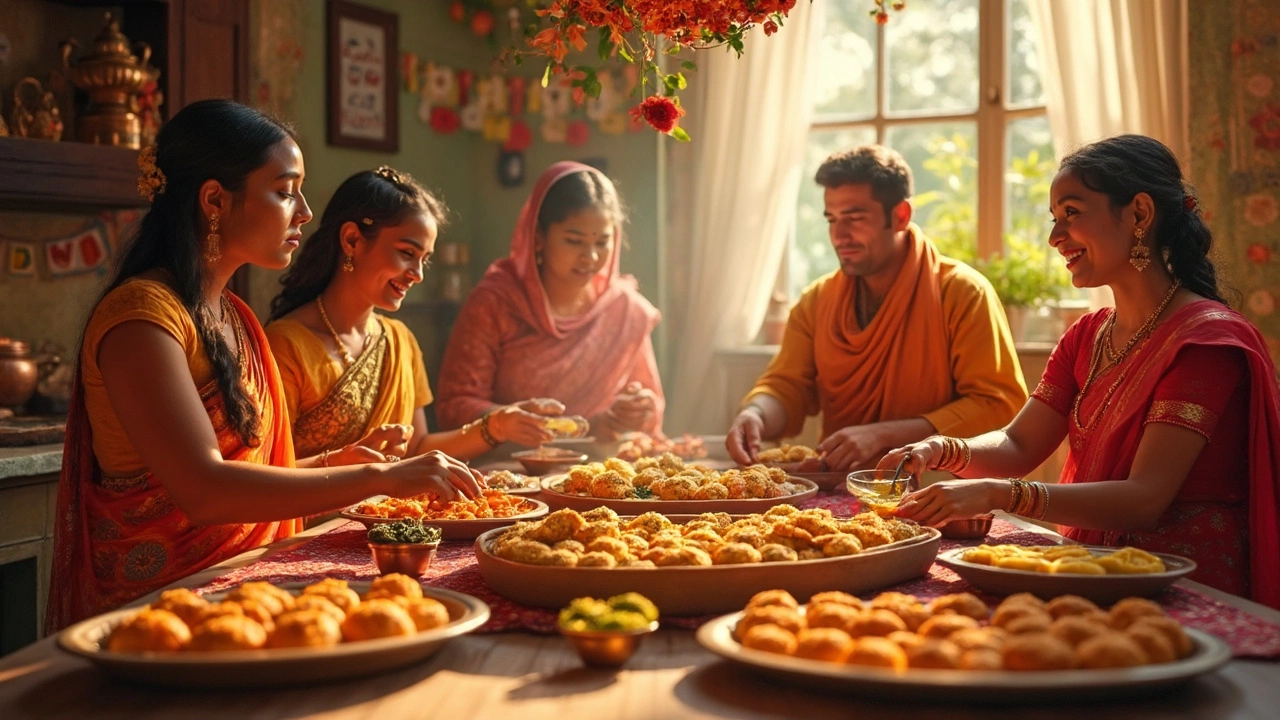
Which Sweet Is Invented in India? Iconic Indian Sweets Explained
Ever wondered which sweets actually come from India? This article digs into the fascinating origins of famous Indian desserts, sharing stories, quick facts, and recipe tips. You’ll find out which treats were first made in India, how they’ve changed over time, and why they matter during celebrations. Plus, get handy advice if you want to try making real Indian sweets at home. Perfect for anyone who loves mithai or just wants to cook something different.