Masala: The Heart of Indian Flavors and How It Powers Every Dish
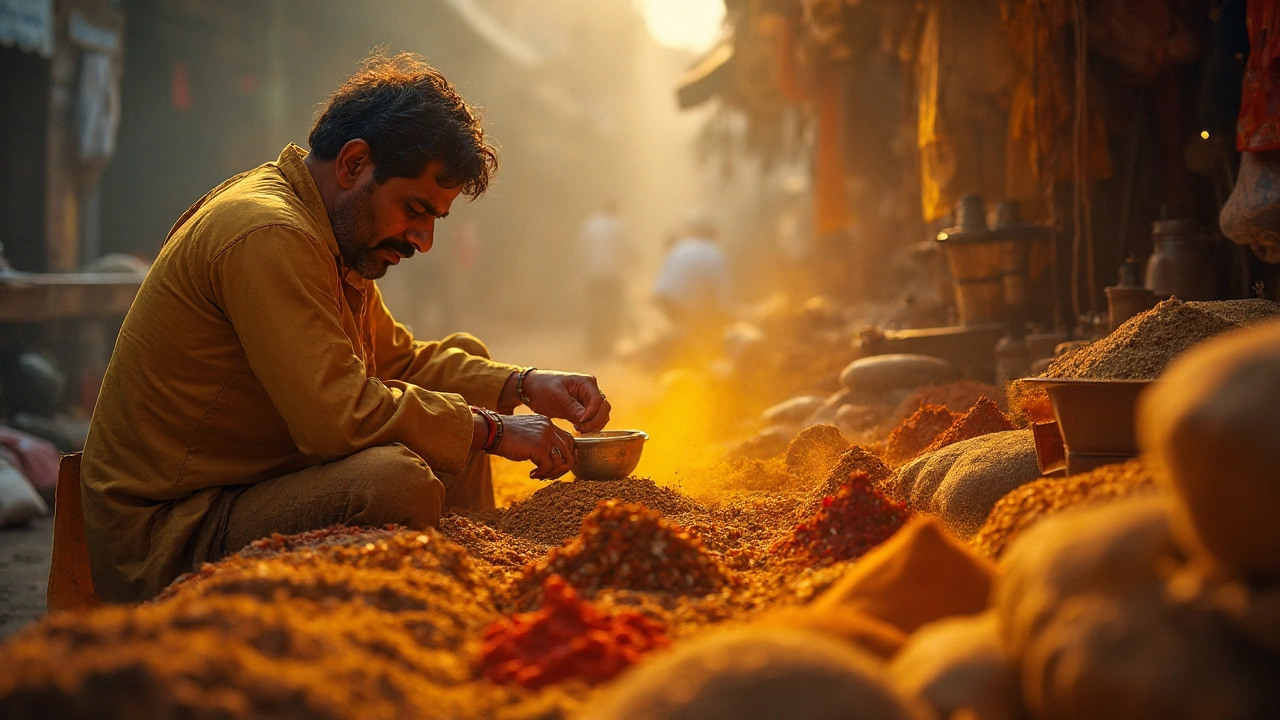
When you think of Indian food, you’re really thinking of masala, a blend of ground spices that forms the flavor foundation of countless Indian dishes. Also known as spice mix, it’s not a single ingredient but a living tradition—each household, region, and chef has their own version. Masala turns simple ingredients into something unforgettable. It’s what makes a plain potato taste like achaar, a chicken curry smell like a street stall in Mumbai, and a bowl of dal feel like home.
Masala isn’t just thrown into a pot—it’s built. You start with whole spices like cumin, coriander, and black peppercorns, toast them until they release their oils, then grind them fresh. That’s the difference between store-bought curry powder and real masala. garam masala, a warm, aromatic blend often added at the end of cooking brings depth, while chana masala, a tangy, earthy mix for chickpeas cuts through richness. Even tandoori masala, the red, smoky blend that colors tandoori chicken is just one variation of the same idea: spices working together to create balance.
What makes masala powerful isn’t just heat—it’s layering. You fry whole spices in oil at the start to wake them up. You add ground masala later to build body. And sometimes, you sprinkle a finishing masala on top for fragrance. That’s why biryani smells like heaven—it’s not one spice, it’s three or four masalas, each added at the right moment. Same with roti: a pinch of carom seeds in the dough isn’t random—it’s a masala trick to aid digestion and add bite.
You’ll find masala in breakfasts, snacks, desserts, and even drinks. Masala chai isn’t tea with cinnamon—it’s tea steeped with a custom blend of cardamom, ginger, cloves, and pepper. Masala dosa isn’t just a crepe—it’s a crispy canvas for spiced potato filling, where the masala isn’t an add-on, it’s the core. Even when you’re out of chutney, you’re still reaching for something masala-based—a sweet, sour, spicy punch that’s been refined over centuries.
This isn’t about following recipes. It’s about understanding how spices talk to each other. If you know your cumin from your fennel, your turmeric from its cousin, fenugreek, you’re not cooking—you’re composing. And every post here? They’re all about that composition. Whether it’s why lemon juice turns milk into paneer, how tandoori chicken gets its red hue, or what makes biryani smell so good, it all comes back to masala. You’ll find real fixes for flat roti, smart swaps for paneer, and the truth behind the most expensive Indian sweet. But it’s all connected. Because no matter the dish, if it’s Indian, it’s built on masala.
What Is the Key Ingredient in Curry? The Masala Behind Real Curry Flavor
There isn’t one magic spice. The heart of curry is a balanced masala-aromatics plus spices, usually led by turmeric. Learn what to buy, how to build it, and fix common issues.