Indian Fruit Diet: What Works, What Doesn't, and Real Foods to Eat
When people talk about an Indian fruit diet, a dietary approach focused on fresh, locally grown fruits as the main source of nutrition in Indian households. Also known as fruit-based weight loss plan, it’s not just about eating apples and bananas—it’s about how Indian fruit diet fits into daily meals, seasonal eating, and traditional food habits. Many assume it’s a quick fix, but it’s really about balance. In India, fruits aren’t just snacks—they’re part of breakfast, post-meal digestion aids, and even remedies. Think mangoes with salt in summer, papaya after lunch, or guava at tea time. This isn’t a fad. It’s rooted in how Indian kitchens have used fruit for centuries—not to replace meals, but to enhance them.
But here’s the catch: not all fruits work the same. A banana, a high-calorie, potassium-rich fruit commonly eaten in India for energy and digestion might help a laborer stay fueled, but it can spike blood sugar if you’re trying to lose weight. On the other hand, guava, a low-sugar, high-fiber fruit popular in North and South India for its digestive and immune benefits is a smarter pick for most people. Then there’s mango, a seasonal favorite rich in vitamins but high in natural sugars, often consumed in large quantities during summer. Eating three mangoes a day isn’t a diet—it’s a treat. The real question isn’t whether fruit is good for you—it’s how much, when, and with what you’re eating it.
The Indian fruit diet isn’t about cutting out rice or roti. It’s about pairing fruit with the right foods. For example, eating papaya after a heavy meal helps digestion, just like yogurt does. Drinking rice water? That’s another traditional trick tied to gut health and weight management. And let’s not forget how spices like cumin and black salt are often added to fruit to make them easier on the stomach. This isn’t a Western-style juice cleanse. It’s a smart, regional way of using what’s available. You won’t find many Indian grandmas fasting on just apples. But you’ll find them eating a handful of soaked figs with warm water in the morning, or a bowl of sliced apple with a pinch of cinnamon after lunch. These aren’t random habits—they’re time-tested.
What you’ll find in the posts below isn’t a list of fruit-only meal plans. It’s real talk about how Indian food works—what helps your gut, what slows digestion, and what actually supports long-term health. You’ll learn why some people lose weight eating fruit in India and others gain it. You’ll see how tandoori chicken and dosa batter fermentation tie into gut health. You’ll understand why whey from paneer is a better drink than sugary fruit juice for some. And you’ll discover which Indian sweets are actually worse than a plate of fried snacks. This isn’t about eating more fruit. It’s about eating smarter—with your culture, your body, and your kitchen in mind.
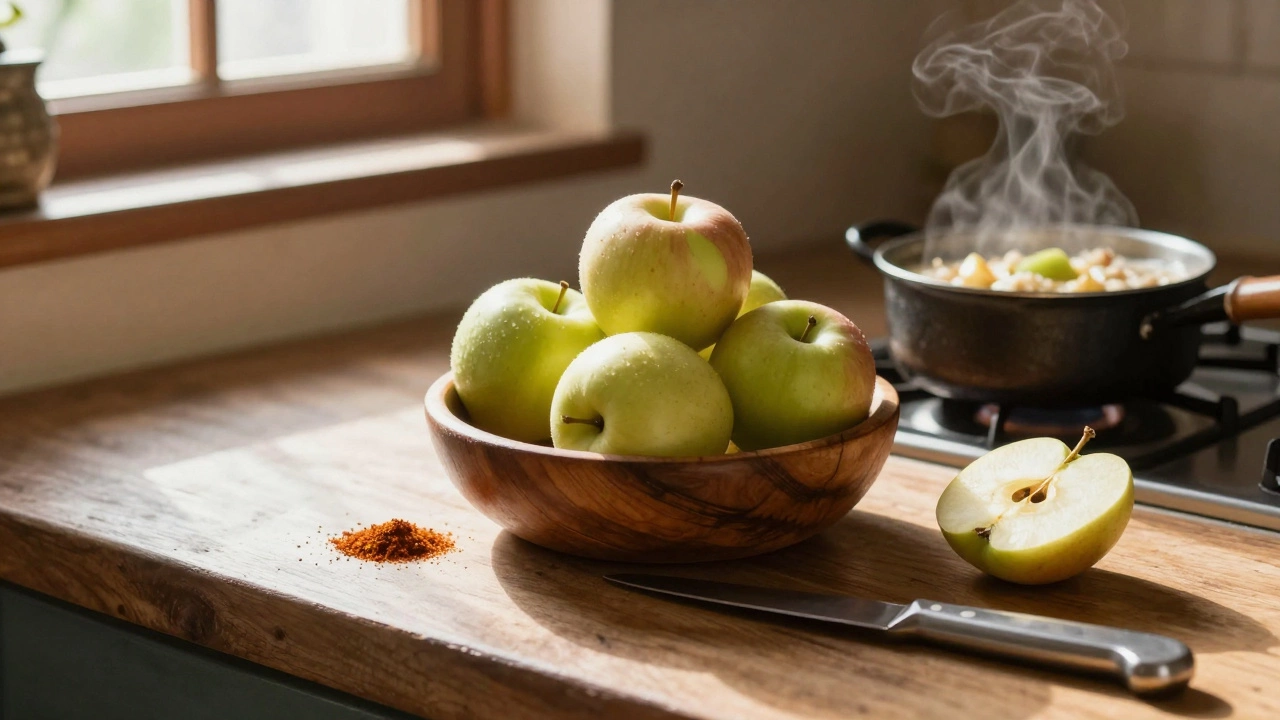
What Fruit Is Okay to Eat Every Day for Healthy Indian Snacks
Learn which fruits are safe to eat every day as healthy Indian snacks-apples, guava, citrus, and more-plus which ones to limit. Simple, science-backed choices for better energy and digestion.