Indian Flatbread: Types, Tricks, and Why They Puff
When you think of Indian flatbread, a broad category of unleavened or leavened breads central to meals across India. Also known as roti, it’s not just bread—it’s the spoon, the napkin, and the vehicle for every bold curry, spicy chutney, and creamy paneer. From the soft, pillowy naan, a leavened bread traditionally baked in a tandoor oven to the flaky, buttery paratha, a layered flatbread often stuffed with potatoes, spinach, or paneer, each type tells a story of region, technique, and tradition.
Why does your roti stay flat while your neighbor’s puffs up like a balloon? It’s not magic—it’s heat, moisture, and gluten. A hot tawa or skillet traps steam inside the dough, creating air pockets that expand just enough to lift the bread off the surface. Too much flour on the rolling pin? Too cold dough? Wrong heat? All of those kill the puff. And if you’ve ever wondered why some flatbreads are fried (like paratha) while others are dry-cooked (like chapati), it’s about texture, calories, and regional taste. North India leans into ghee-rich parathas for breakfast, while South India prefers thin, rice-based dosas—but both are flatbreads at heart. Even the humble chapati, a simple whole wheat bread eaten daily by millions is a masterpiece of simplicity: just flour, water, salt, and fire.
What you’ll find below isn’t just a list of recipes. It’s a toolkit. You’ll learn why your roti won’t puff, how to replace paneer in stuffed breads, which oil makes the crispiest dosa, and what makes naan taste like it came straight from a Delhi tandoor. These aren’t vague tips—they’re fixes based on real mistakes home cooks make every day. Whether you’re trying to nail the perfect paratha for Sunday brunch or just want to understand why your curry needs something to scoop it up, this collection has your back. No fluff. No theory. Just what works.
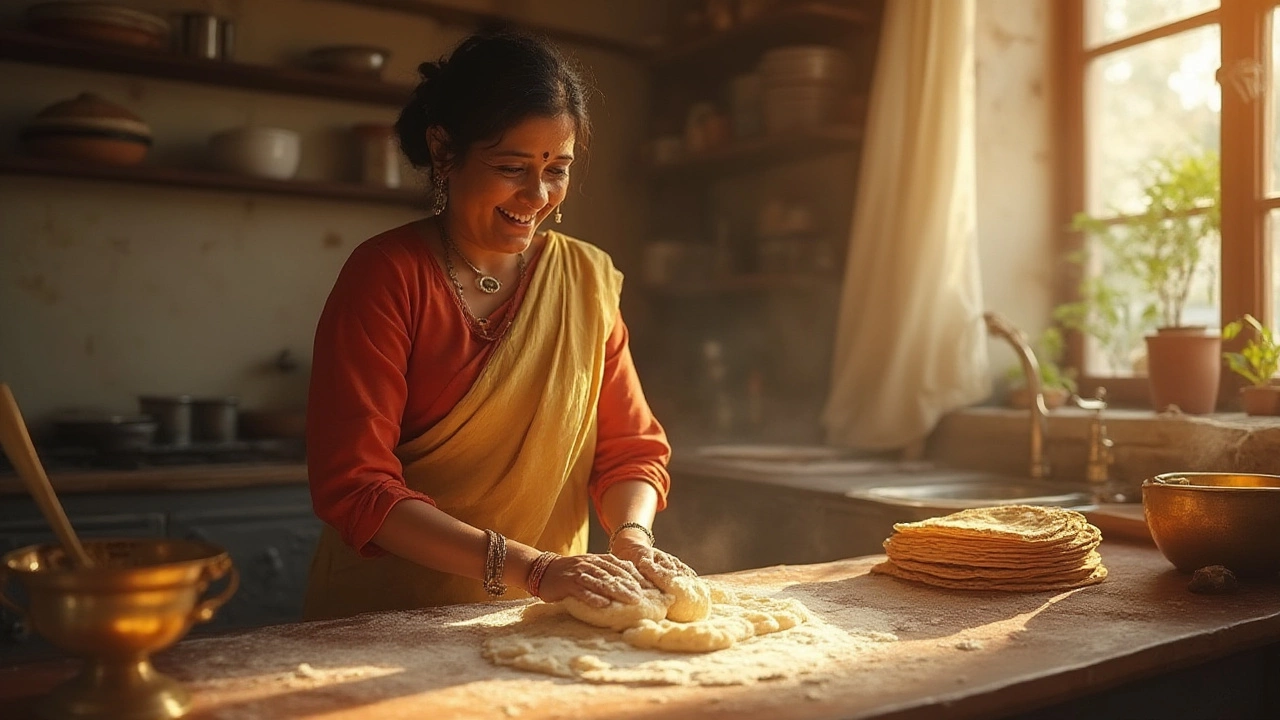
Secret to Fluffy Roti: Ultimate Guide for Soft Indian Flatbread
Discover the real secret to making fluffy roti every time. Learn key tips, ingredients, and techniques for irresistibly soft homemade Indian flatbread.
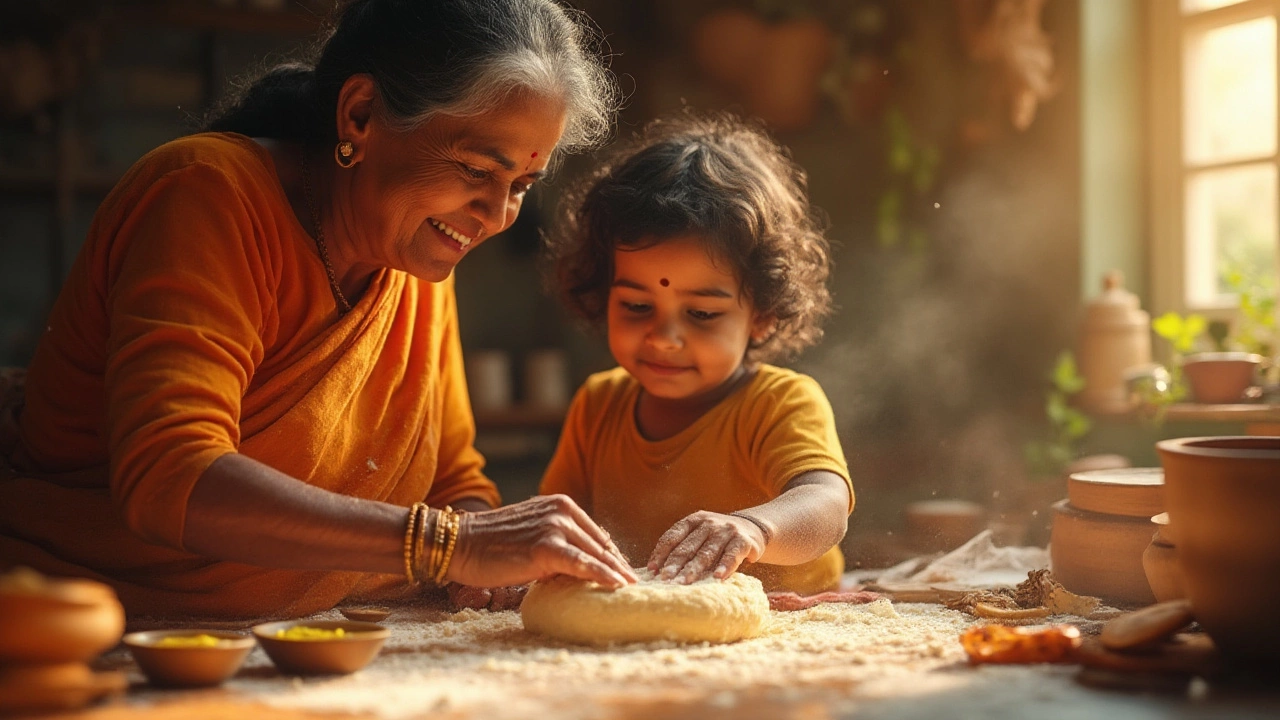
How Adding Oil Makes Roti Softer: Science, Technique, and Tips
Does oil really make roti softer? Get clear answers with tips, expert advice, and the science behind perfect, tender Indian flatbread.
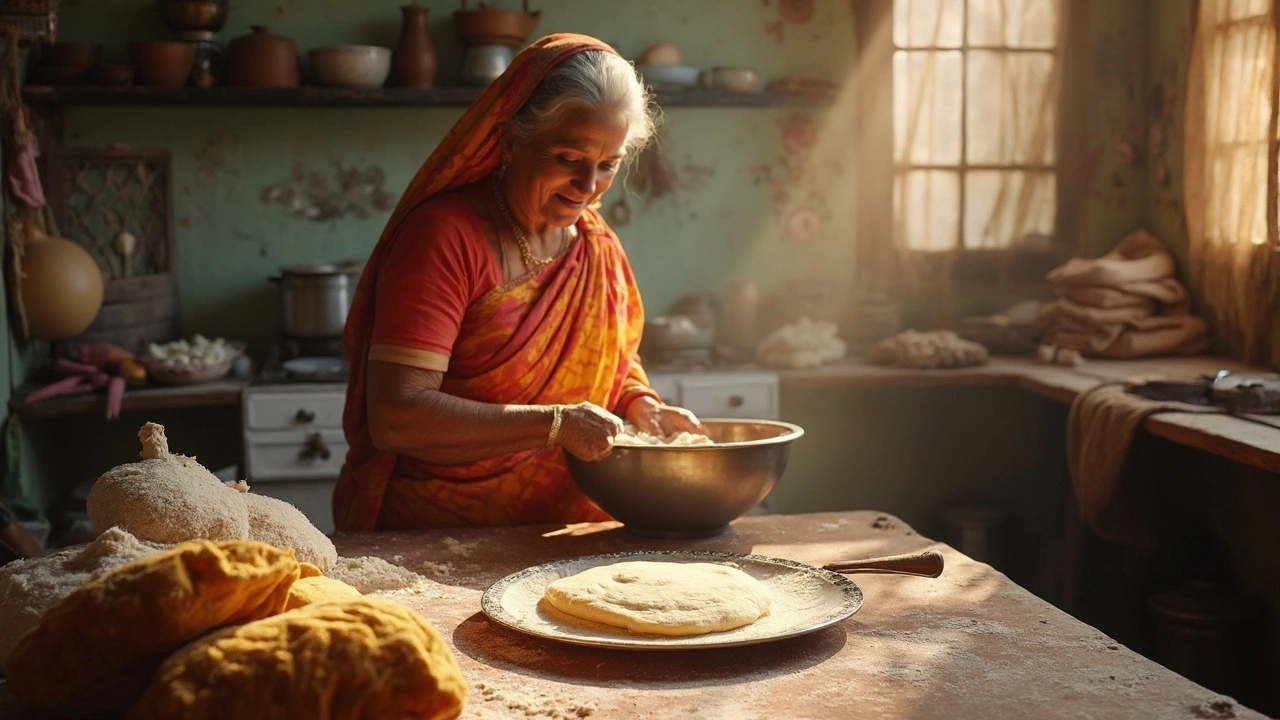
Soft Chapatis: The Secret to Perfect Roti Every Time
Ever wondered why some chapatis are soft and puff up just right, while others turn out dry and tough? This article breaks down the real secrets behind getting perfectly soft chapatis, from flour choice to kneading tricks. Get practical steps and insights that actually work in a home kitchen, and clear up common roti myths. No guesswork, just real advice you can use today. Making soft chapatis isn’t as complicated as people make it sound—here’s what you need to know.