Indian Egg Recipes: Simple, Flavorful Dishes You Can Make Any Day
When you think of Indian egg recipes, a versatile, affordable protein used in homes across India, from Mumbai slums to Punjabi farms. Also known as egg curry, egg bhurji, or boiled eggs in masala, this ingredient is never an afterthought—it's the star. Unlike in Western kitchens where eggs are often plain or side dishes, in India they’re spiced, fried, simmered, and layered with flavor. You’ll find them in street stalls, temple langars, and family dinners alike—always cooked with intention.
What makes these recipes special isn’t the egg itself, but what’s done to it. Egg masala, a thick, tomato-based gravy with cumin, turmeric, and red chili, turns simple boiled eggs into a hearty main. Egg bhurji, a scrambled dish cooked with onions, garlic, and green chilies, is breakfast, lunch, and dinner rolled into one—served with toast, paratha, or plain rice. Even boiled eggs in Indian style, peeled and tossed in a tangy tamarind-chili coating become a snack you can’t stop eating. These aren’t fancy. They’re practical. They’re made with pantry staples. And they taste better than most restaurant dishes.
There’s no single way to cook an egg in India. In the south, they’re simmered in coconut milk and curry leaves. In the north, they’re fried and drowned in creamy tomato gravy. In Bengal, they’re boiled and glazed with jaggery and mustard oil. The common thread? Bold spices, no fear of flavor, and zero wasted ingredients. You won’t find egg salad here. No bland omelets. Just food that sings.
What you’ll find below is a collection of real, tested recipes—no fluff, no filler. From quick weekday bhurji to weekend egg curries that simmer for hours, these posts show you exactly how to get the texture right, the spice balance perfect, and the flavor unforgettable. Whether you’re new to Indian cooking or just tired of the same old eggs, this is where you’ll learn how to make them taste like they came from a home kitchen in Delhi, Chennai, or Lucknow.
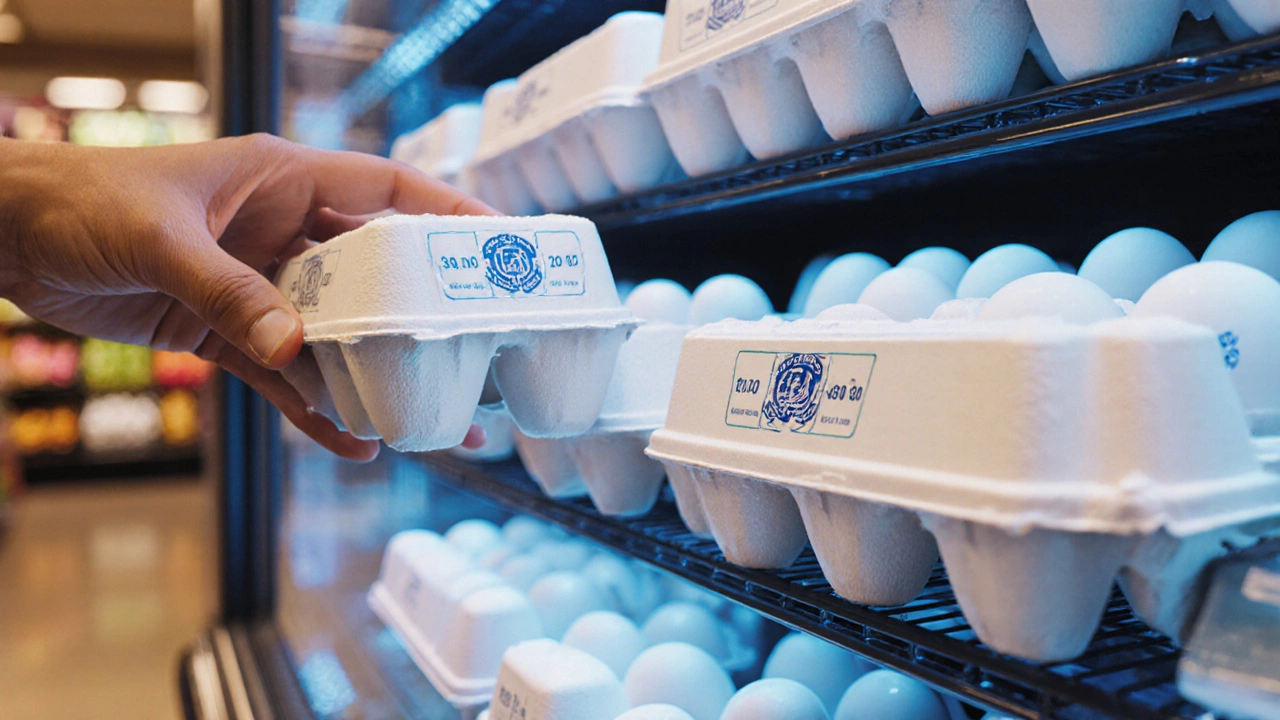
Are Eggs Safe in India? A Practical Guide for Home Cooks
Discover if eggs in India are safe to eat. Learn how to choose, store, and cook eggs properly, understand regulations, and avoid common contamination risks.