Indian Diet Tips: Smart Eating for Real Life
When people talk about Indian diet tips, practical ways to eat well using traditional Indian foods and habits. Also known as healthy Indian eating, it's not about strict rules—it's about choosing what works for your body, your kitchen, and your culture. You don’t need to give up parathas or biryani to eat better. The real secret? It’s in how you balance them—with veggies, legumes, and smart cooking tricks passed down for generations.
Take paneer, a fresh, non-melting Indian cheese made from curdled milk. It’s high in protein, low in fat compared to many Western cheeses, and holds up great in curries. But if you’re out of it or looking to cut calories, you can swap it with halloumi or queso blanco—both hold their shape when cooked. Or try rice water, the starchy liquid left after rinsing or boiling rice. Some swear it helps with digestion and even supports weight loss when sipped before meals, especially when paired with light snacks like roasted chickpeas or steamed vegetables. And when you’re thinking about breakfast, skip the fried samosas. Go for idli, steamed rice-and-lentil cakes from South India. They’re light, fermented for better digestion, and packed with plant-based protein. In the North, a whole wheat paratha with yogurt or a side of dal is just as good. No fancy supplements needed.
It’s not about avoiding spices—it’s about using them right. Turmeric, cumin, coriander, and fenugreek aren’t just for flavor—they help with inflammation and blood sugar. That’s why Indian diet tips often point to tandoori chicken over creamy korma, or chana masala over butter chicken. The red color in tandoori chicken? That’s from Kashmiri chili, not artificial dye. The tang in your chutney? That’s real mango or tamarind, not sugar-loaded store jars. Even the way you cook matters: using coconut oil for dosa or ghee in moderation can be healthier than refined vegetable oils. And if you’re wondering what to eat when you’re craving something sweet, skip the deep-fried jalebi. Try a small piece of date and nut bar, or a bowl of yogurt with cardamom and honey.
What you’ll find below isn’t a list of dos and don’ts. It’s a collection of real, tested advice from people who cook these meals every day. You’ll learn how to fix flat roti, pick the healthiest curry at a restaurant, replace paneer without ruining your dish, and even use rice water in a way that fits your routine. No magic pills. No 7-day cleanses. Just the kind of smart, simple choices that make eating well feel normal—not like a chore.
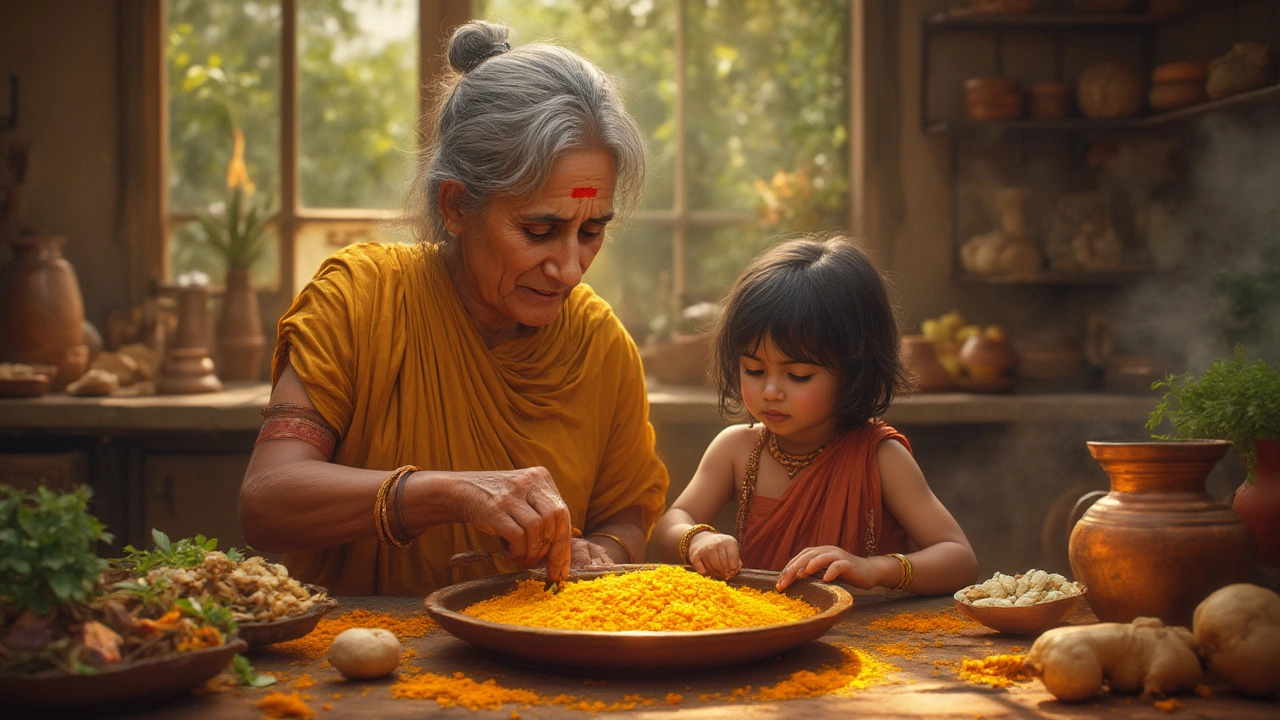
India’s Healthiest Food: Why Moong Dal Tops the List for Nutrition & Wellness
From ancient Ayurveda to modern kitchens, discover why moong dal stands tall as India’s number one healthiest food and how to make the most of it every week.