Healthy Indian Dishes: Real Meals That Taste Good and Feel Good
When you think of healthy Indian dishes, nutrient-dense meals built on whole grains, legumes, spices, and fresh vegetables that have powered Indian families for generations. Also known as traditional Indian meals, these foods aren’t just about flavor—they’re designed to fuel the body without the junk. Forget the idea that Indian food means heavy cream, deep frying, and sugar overload. The truth? Many of India’s most loved meals are naturally balanced, packed with fiber, protein, and anti-inflammatory spices like turmeric and cumin.
Take paneer, a fresh, non-melting cheese made by curdling milk with lemon juice or vinegar. It’s high in protein, low in fat compared to Western cheeses, and holds up perfectly in curries, stir-fries, or even grilled skewers. Unlike processed cheese, paneer doesn’t come with preservatives or added sodium. You can make it at home in under 20 minutes with just milk and lemon. And when paired with spinach, tomatoes, or bell peppers, it becomes a complete meal that keeps you full without weighing you down.
Then there’s chutney, a tangy, spicy condiment made from fresh herbs, fruits, or vegetables that adds flavor without calories. Most store-bought versions are loaded with sugar, but the real thing—made with mint, cilantro, tamarind, or coconut—is a powerhouse of vitamins and gut-friendly enzymes. A spoonful of homemade chutney doesn’t just wake up your taste buds; it helps digestion and reduces the need for extra salt or oil in your meal.
And let’s not forget rice water, the starchy liquid left after rinsing or boiling rice, long used in Ayurveda for its digestive and metabolic benefits. It’s not magic, but it’s science: studies show it can help stabilize blood sugar and support healthy gut bacteria. Drink it plain, add a squeeze of lemon, or use it as a base for light soups and snacks. It’s one of those quiet, old-school tricks that actually works.
Healthy Indian dishes aren’t about restriction. They’re about balance. Idli steamed with coconut chutney. Roti made with whole wheat and served with lentil curry. Grilled tandoori chicken with a side of cucumber raita. Dosa fried in coconut oil instead of vegetable oil. These aren’t diet foods—they’re everyday meals that have kept generations strong, lean, and energetic.
You won’t find kale smoothies or protein powders in a traditional Indian kitchen. But you will find turmeric in warm milk, lentils simmered for hours, and vegetables roasted with cumin and garlic. These aren’t trends. They’re traditions built on centuries of observation, trial, and taste.
Below, you’ll find real recipes and honest tips that cut through the noise. Whether you’re looking for a better paneer substitute, ways to use rice water, or how to make chutney without sugar, these posts give you what actually works—no fluff, no gimmicks, just food that does good without asking for much in return.
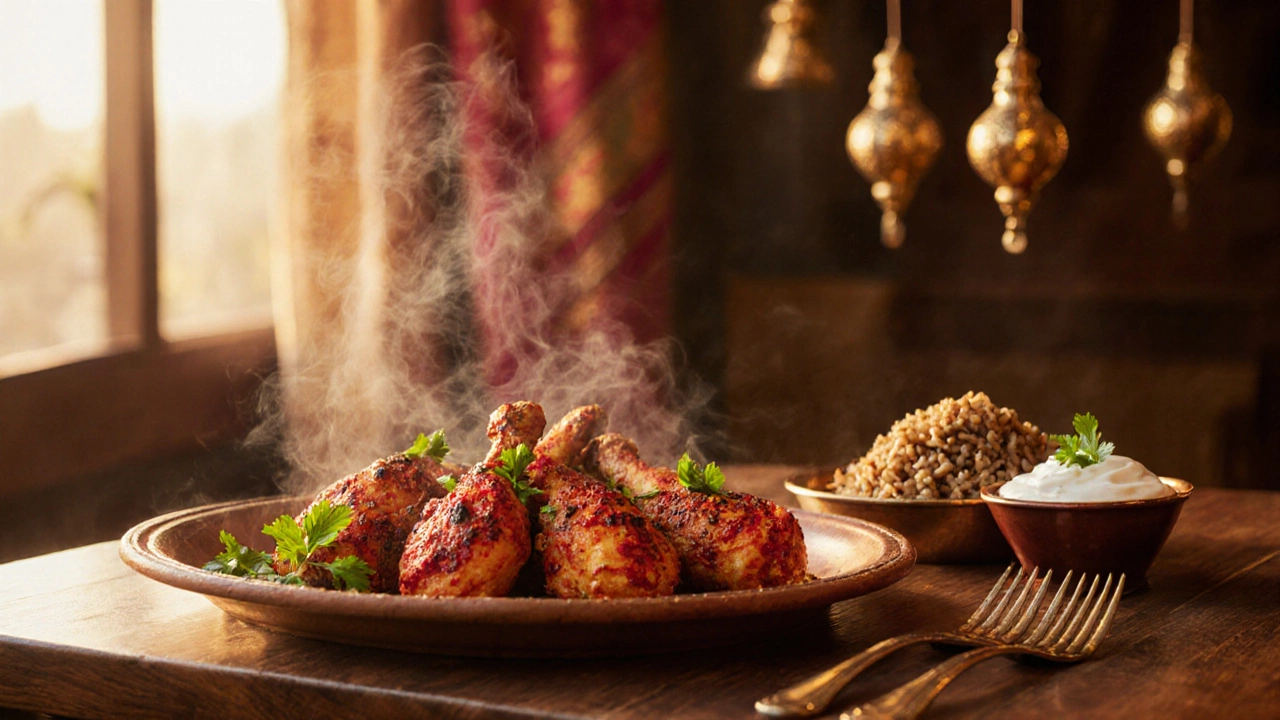
What Is the Healthiest Indian Food to Order? Top 7 Nutrient-Rich Choices
Discover the 7 healthiest Indian dishes to order at a restaurant, including tandoori chicken, chana masala, and dal tadka. Learn what to avoid and how to make smart choices for better nutrition.