Health Risks of Pulses: What You Need to Know Before Eating More Lentils and Beans
When you think of pulses, a category of dried seeds including lentils, chickpeas, beans, and peas, widely used in Indian cooking for their protein and affordability. Also known as legumes, they’re a staple in vegetarian diets across India and beyond. But while they’re cheap, filling, and full of fiber, eating too many without care can cause real problems—bloating, gas, nutrient interference, and even allergic reactions in some people.
Many assume pulses are harmless because they’re natural, but they contain phytic acid, a compound that binds to minerals like iron, zinc, and calcium, making them harder for your body to absorb. That’s why people who rely heavily on pulses without soaking or fermenting them can end up with low iron levels, especially women and kids. Then there’s oligosaccharides, complex sugars your gut can’t break down, which bacteria feast on—producing gas and discomfort. It’s not just "eating too fast"—it’s biology. And while soaking, sprouting, or pressure-cooking reduces these, most home cooks skip these steps for convenience.
Some people don’t realize pulses can trigger allergies too. Though less common than peanut or shellfish allergies, reactions to chickpeas or lentils do happen—itchy skin, stomach cramps, even breathing trouble. And if you’re on certain medications like MAO inhibitors, the tyramine in aged or fermented pulses can cause dangerous blood pressure spikes. Even if you feel fine now, long-term overconsumption without variety can strain your digestion. The Indian kitchen loves dal, rajma, and chana, but balance matters. Pairing pulses with vitamin C-rich foods like tomatoes or lemon juice helps your body absorb iron better. Cooking them with ginger or asafoetida (hing) cuts down on gas. It’s not about avoiding pulses—it’s about eating them smarter.
You’ll find posts here that dig into how to fix common problems: why your dal makes you bloated, how to soak beans right, what spices help digestion, and which Indian dishes actually make pulses easier to tolerate. Some recipes show you how to turn risky meals into safe ones. Others reveal hidden traps in store-bought mixes and canned beans. This isn’t about fear—it’s about control. You don’t have to give up your favorite dals. You just need to know how to handle them.
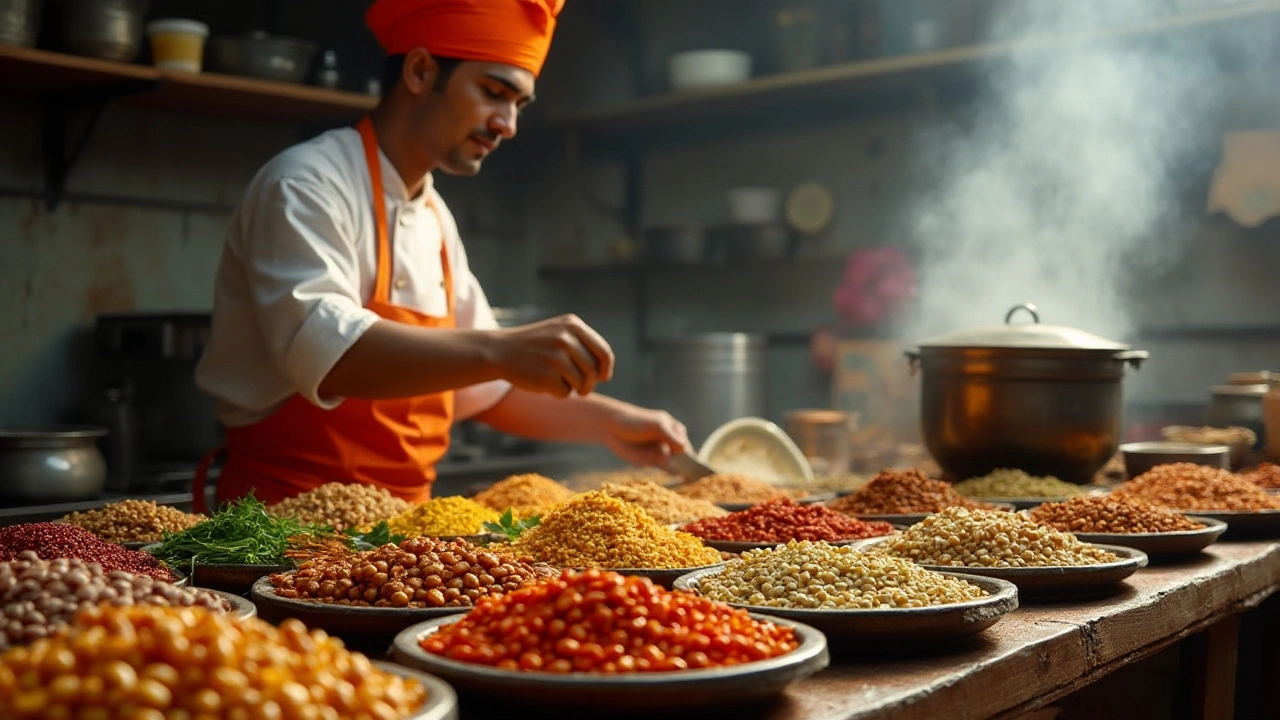
The Hidden Downsides of Delicious Dal: Are Pulses Harmful?
Pulses, while considered a staple in many cuisines, might pose certain health risks if consumed inappropriately. This article examines the potential downsides of pulses, commonly referred to in the culinary world as dal, and explores why these plant-based foods can be harmful. In addition, it provides insights into healthier preparation methods to mitigate these risks and enhance their nutritional benefits. Discover why it's essential to rethink how dal is integrated into diets, especially for those sensitive to certain components. Learn valuable tips to enjoy dal safely and deliciously.