Garam Masala: The Heart of Indian Spices and How It Powers Every Curry
When you think of Indian food, you’re probably thinking of garam masala, a warm, fragrant spice blend that’s the backbone of countless Indian dishes. Also known as masala powder, it’s not just another seasoning—it’s the soul of the kitchen, the final whisper of flavor that turns a good curry into something unforgettable. Unlike single spices like cumin or turmeric, garam masala is a harmony—cinnamon, cardamom, cloves, black pepper, cumin, coriander, and sometimes nutmeg or bay leaf—ground together to create depth, warmth, and complexity. It’s added toward the end of cooking, not at the start, because its magic fades with too much heat. That’s why your restaurant-style chicken curry tastes richer than your own: they’re adding garam masala right at the end, letting its aroma bloom without burning it.
It’s not just for curries. garam masala, a foundational spice mix in North Indian and Punjabi cooking shows up in rice dishes like biryani, where it layers with saffron and kewra water to create that signature smell. It’s rubbed on tandoori chicken before it hits the clay oven, mixed into lentils for dal tadka, and even sprinkled over roasted vegetables. You’ll find it in breakfast parathas, stuffed into samosas, and stirred into chutneys for balance. The truth? You can’t truly replicate Indian flavor without it. Even when recipes say "curry powder," what they really mean is garam masala—because curry powder is a colonial invention. Garam masala is the real thing.
What’s inside your jar matters. Store-bought blends often use cheap fillers or sit on shelves for years, losing their punch. The best garam masala is freshly ground—whole spices toasted lightly, then crushed in a mortar and pestle or spice grinder. That’s why so many posts here talk about making your own. It’s not hard. You don’t need fancy tools. Just a pan, a spoon, and 10 minutes. And once you do, you’ll never go back. The difference is like comparing canned tomatoes to sun-ripened ones.
It’s not just about taste—it’s about timing, balance, and tradition. The blend varies by region: Punjabi versions are bold and peppery, Bengali ones sweeter with fennel, South Indian ones lighter with star anise. But no matter where you are in India, if a dish smells deeply aromatic and warm, it’s garam masala doing the work. It’s the secret behind why your roti tastes better with a sprinkle, why your chicken curry lingers on the tongue, and why people ask for seconds. You don’t need to be a chef to use it well. You just need to know when to add it—and why.
Below, you’ll find real recipes and honest fixes from home cooks who’ve cracked the code. Whether you’re wondering why your biryani doesn’t smell like the one at the corner stall, or how to replace paneer in a curry without losing flavor, the answers all tie back to this one blend. Garam masala isn’t just a spice. It’s the reason Indian food tastes like home—even if you’ve never been there.
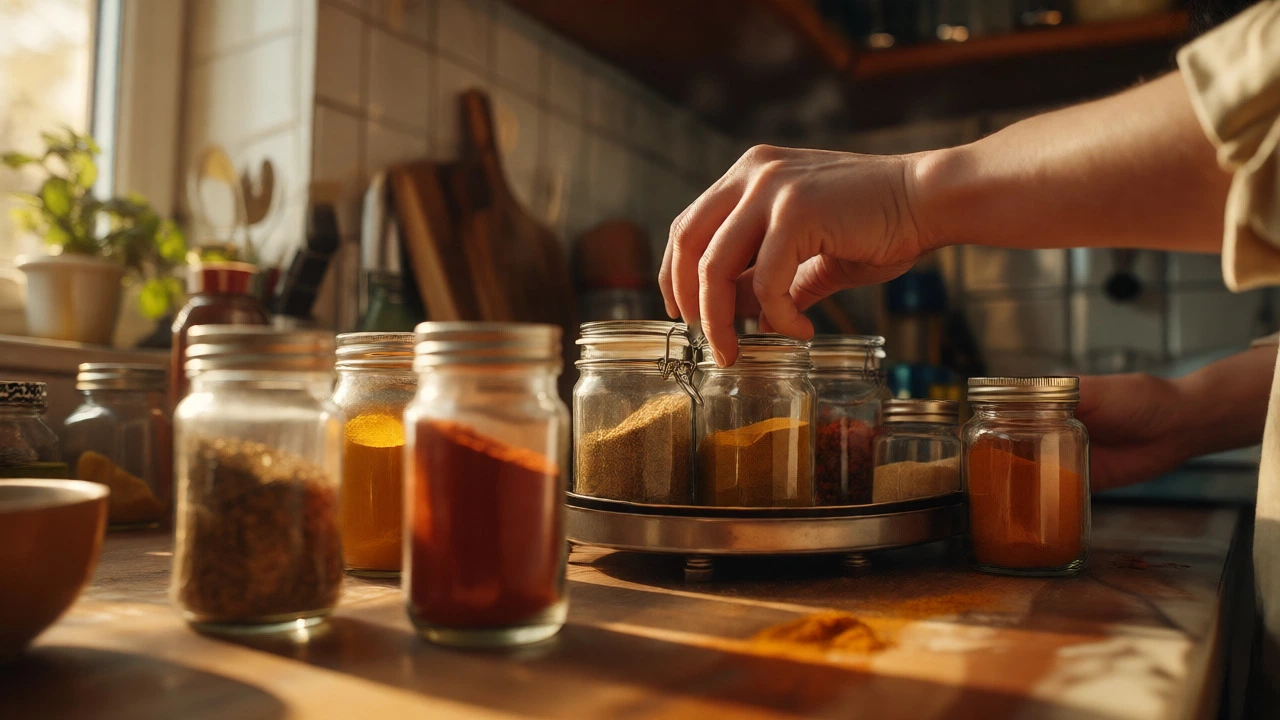
What is the Closest Spice to Curry Powder? Top Substitutes & Blends
Missing curry powder? Discover the best substitutes like garam masala, turmeric blends, and DIY mixes to save your chicken curry recipe.
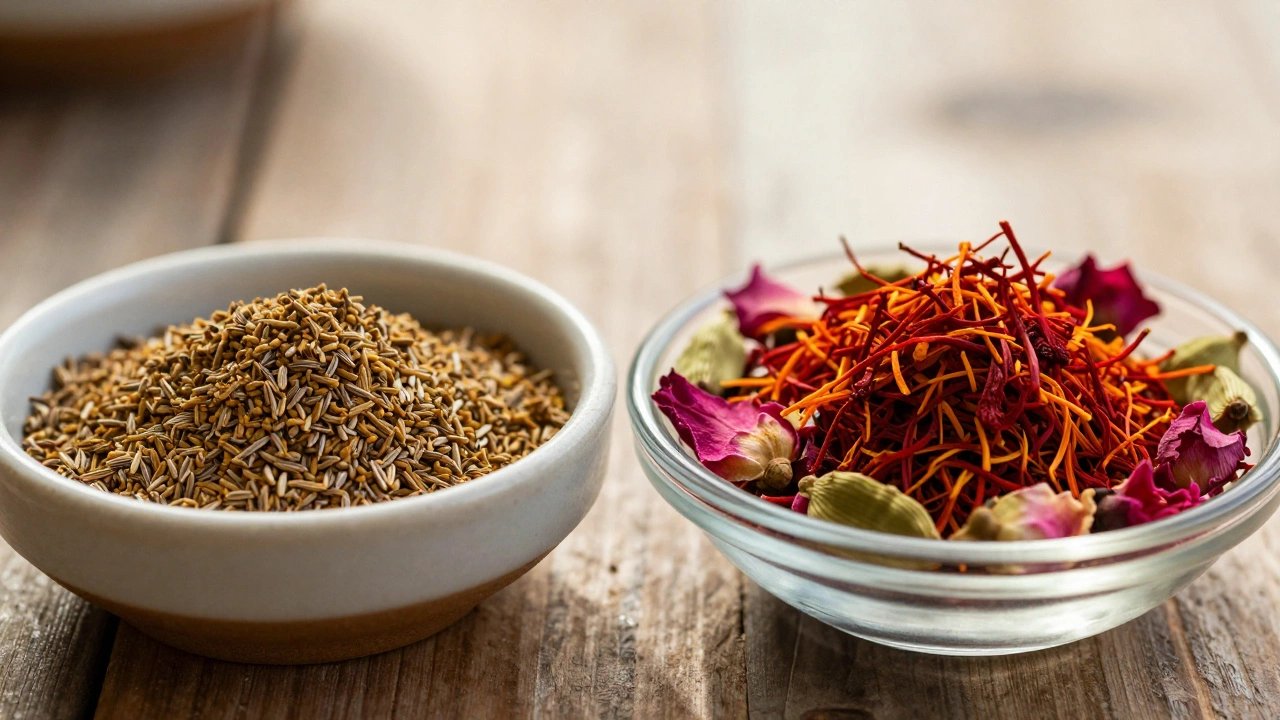
Do You Put Garam Masala in Biryani? The Definitive Spice Guide
Discover the truth about using garam masala in biryani. Learn the key differences between standard blends and biryani masala, timing techniques, and how to make your own authentic spice mix for perfect results.
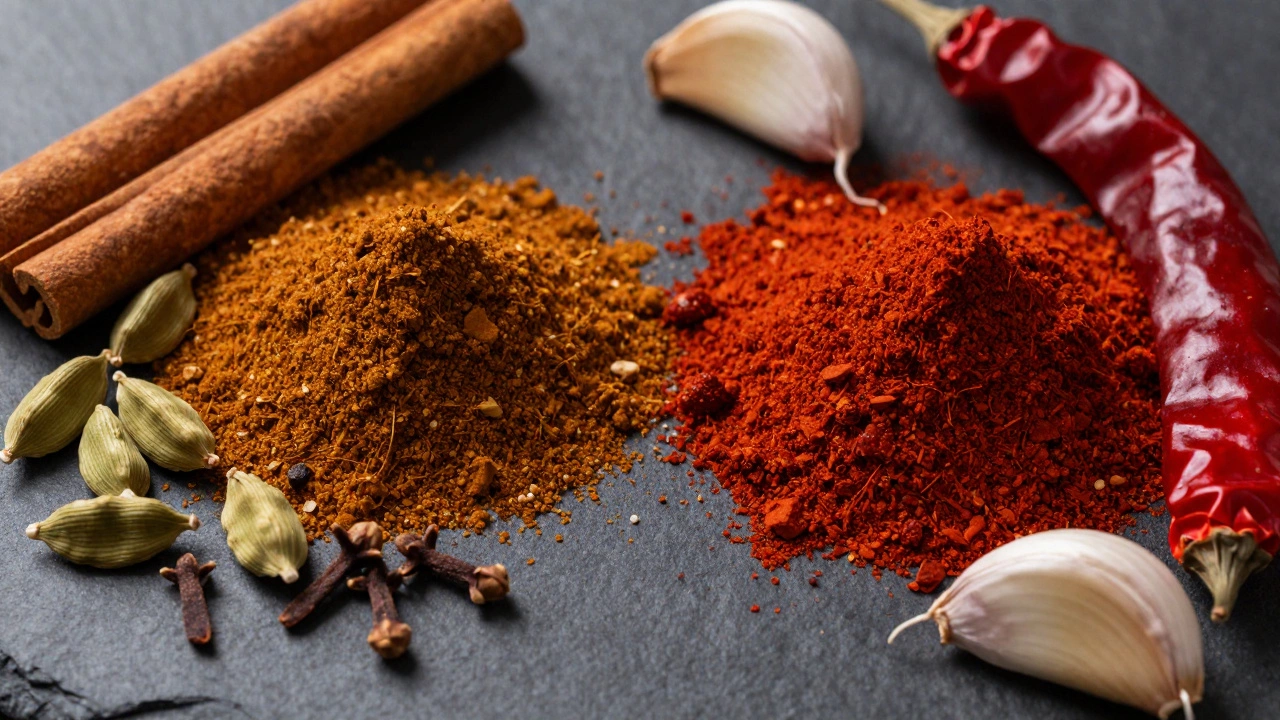
Garam Masala vs Tandoori Masala: What Is the Difference?
Discover the key differences between garam masala and tandoori masala. Learn which one to use for your tandoori chicken recipe to get authentic flavor and color.
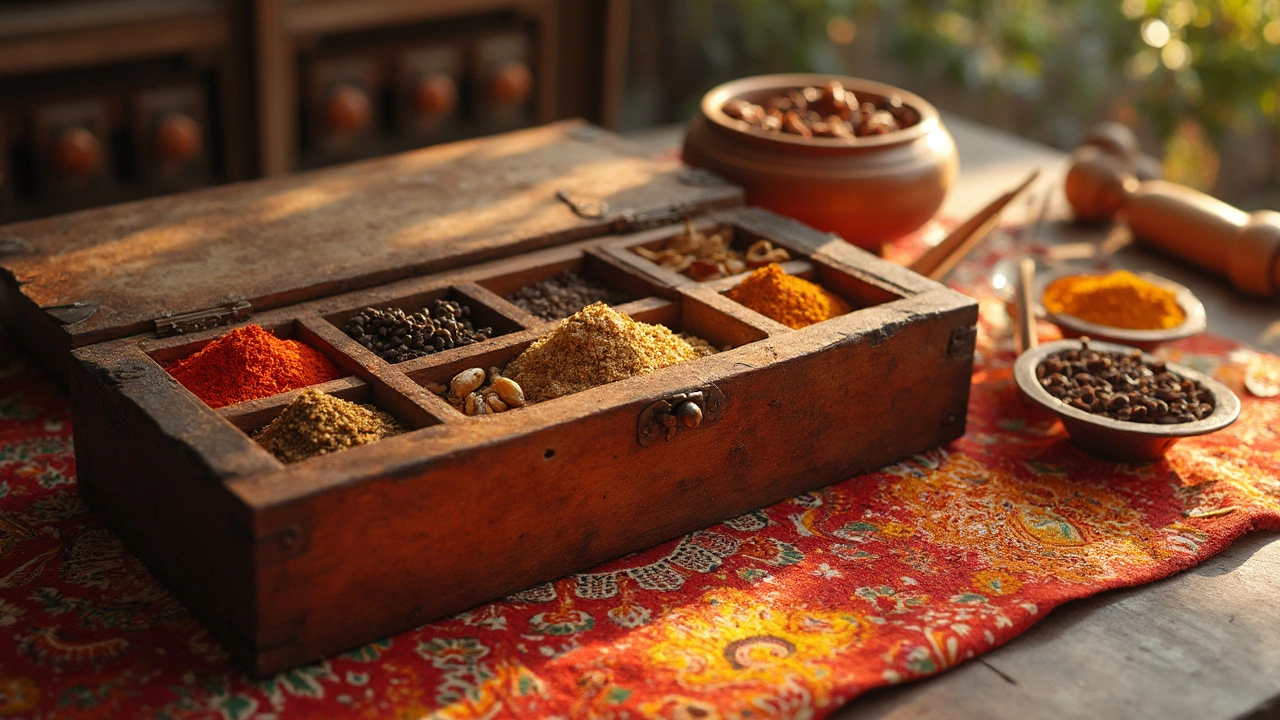
Which Spices Is Not Used in Garam Masala? Get Your Biryani Blend Right
Ever wondered which spices just don't belong in garam masala? Knowing what to skip can make or break your homemade biryani. This article breaks down common mix-ups, explains the key ingredients, and reveals why a few popular spices are always left out. Get the confidence to blend a perfect masala without second guessing. No more bland biryani or spice overkill!
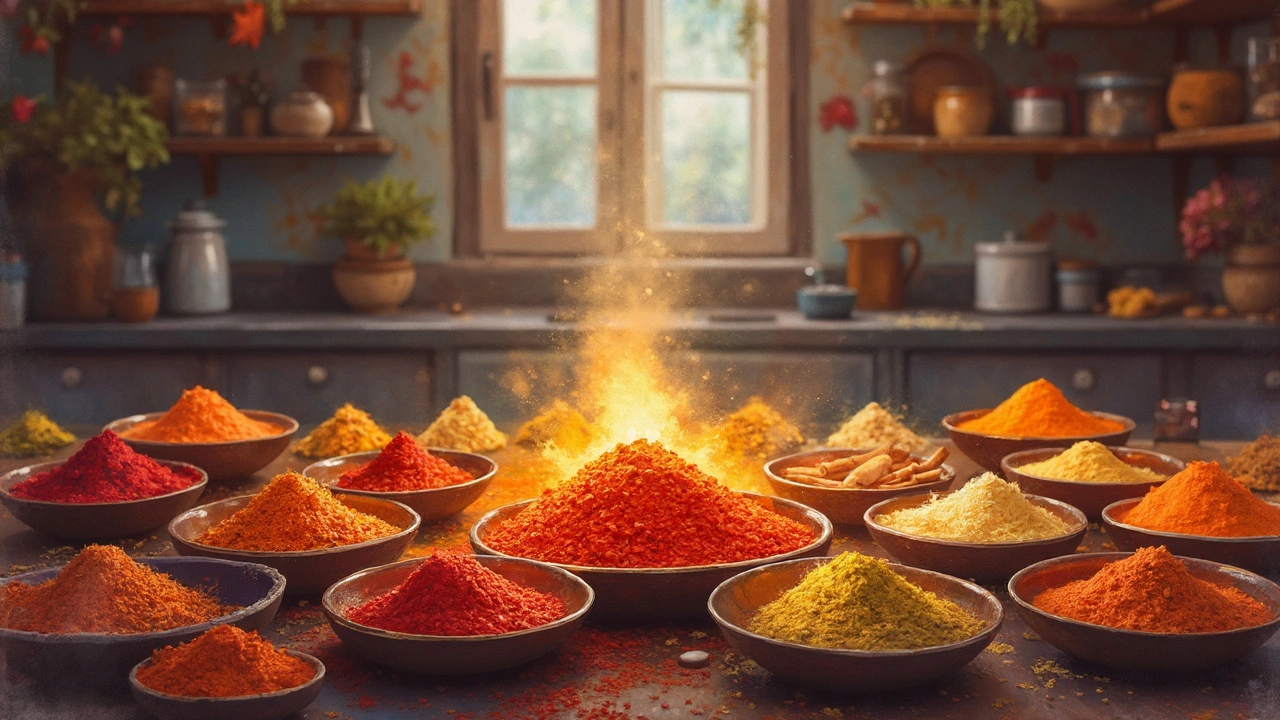
The Essential Ingredients of Garam Masala: What's Inside?
Garam masala is a quintessential spice blend in Indian cooking, lending its aromatic warmth to dishes like tandoori chicken. It's a mix of spices that varies regionally but typically includes cinnamon, cloves, and coriander. Knowing what goes into garam masala can elevate your cooking game by enhancing flavors. Learn how these spices work together and some handy tips to make the most of them. Discover the secrets behind this flavorful blend that brings Indian dishes to life.