Fermentation in Indian Cooking: Traditional Methods, Benefits, and Hidden Recipes
When you eat fermentation, a natural process where microbes break down sugars into acids, gases, or alcohol. Also known as culturing, it’s how India turned simple rice and lentils into fluffy idli and crispy dosa. This isn’t just old-school cooking—it’s science you can taste. Fermentation boosts nutrition, makes food easier to digest, and gives dishes their signature tangy depth without needing vinegar or lemon juice.
Think about idli, a steamed rice and lentil cake—it doesn’t rise because of yeast from a packet. It rises because wild bacteria and yeast in the air, mixed with soaked rice and black gram, do the work over 8–12 hours. Same goes for dosa, the thin fermented crepe. Even yogurt, a staple in Indian meals, relies on lactic acid bacteria turning milk into something creamy and probiotic-rich. And don’t forget paneer, the fresh cheese made by curdling milk with lemon juice or vinegar. While not fermented in the traditional sense, its creation is part of the same family of food transformations—using acid to change milk’s structure, just like fermentation changes flavor and texture.
Fermentation isn’t just about taste. It’s about making food last longer, unlocking nutrients your body can actually use, and reducing the need for artificial additives. In India, this wasn’t a trend—it was survival. Villages didn’t have fridges, so they learned to let food ferment: pickled mangoes, fermented bamboo shoots in the northeast, even fermented fish paste in coastal regions. These aren’t exotic curiosities. They’re the backbone of regional diets.
What you’ll find in this collection isn’t just recipes. It’s the hidden stories behind everyday Indian foods. You’ll see how lemon juice curdles milk to make paneer, why your roti won’t puff if the dough isn’t properly rested, and how rice water might help your gut because of what happens during fermentation. These posts connect the dots between ancient practice and modern kitchen results. No fancy gadgets. No complicated steps. Just real food, transformed by time, temperature, and tiny living organisms.

Should I Add Salt Before Fermenting Dosa Batter? The Science Behind Timing and Taste
Adding salt before fermenting dosa batter can kill good bacteria and prevent rising. Learn why waiting until after fermentation gives you crisp, fluffy dosas every time-even in cool climates.

Is Adding Yeast to Dosa Batter a Good Idea?
Exploring the idea of adding yeast to dosa batter can spark a lively debate. Traditionally, dosa batter relies on a natural fermentation process, but yeast might offer a quicker alternative. While yeast is not part of the conventional recipe, it may impact texture and taste. This article examines whether introducing yeast into the dosa-making process is a culinary innovation or a recipe faux pas.
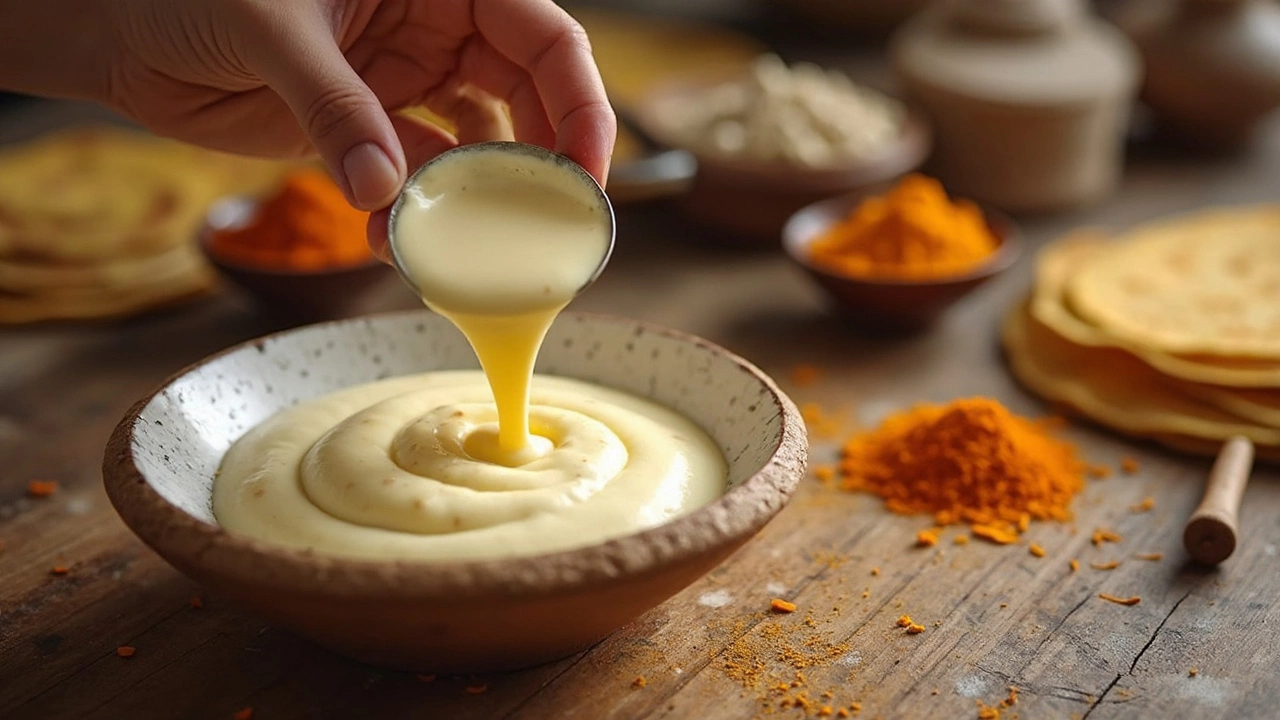
Why We Add Curd to Dosa Batter: The Secret Ingredient for Perfect Dosas
Adding curd to dosa batter is a common practice, but have you ever wondered why? It turns out, curd serves as a natural fermenting agent, enhancing texture and flavor. This process not only speeds up fermentation but also boosts the tanginess, essential for a delicious dosa. Let's explore how this addition makes a significant difference to your batter and ultimately, your dosas.