Dosa Tips: Perfect Crispy Dosa Every Time with Proven Techniques
When you’re making dosa, a thin, fermented rice and lentil crepe from South India. Also known as dosai, it’s one of India’s most loved breakfast foods—crispy on the outside, soft inside, and perfect with chutney or sambar. But if your dosa sticks, tears, or turns out soggy, it’s not the recipe—it’s the technique. Most people skip the small details that make all the difference.
The secret to a great dosa starts with the batter, a fermented mix of rice and urad dal. It needs time—12 to 24 hours in a warm spot. Cold kitchens kill fermentation. If your batter doesn’t bubble up, it won’t crisp. You can’t rush it. Then there’s the cooking oil, the key to that golden, crunchy edge. Coconut oil gives authentic flavor and crispness. Ghee? Even better. But if you use cheap vegetable oil, your dosa will absorb it and turn greasy. Don’t just pour—it’s about how you spread it. Use a ladle to pour, then swirl the pan in circles. Too much batter? Thick dosa. Too little? It cracks. And never flip it. A real dosa cooks on one side only.
Heat matters too. The tawa has to be hot—not smoking, but hot enough that a drop of water sizzles and dances. If it’s too cool, the dosa soaks up oil and sticks. Too hot? It burns before the batter sets. And don’t use non-stick pans unless they’re well-seasoned. Cast iron or carbon steel gives the best results. If your dosa isn’t crispy, check your batter age, oil type, and pan heat. These three things cover 90% of failures.
You’ll find posts here that break down exactly how to fix each step—from choosing the right rice-to-lentil ratio to why your dosa sticks even when you use oil. We cover the best oils for dosa, how to store batter overnight, and what to do if your batter smells off. You’ll also see why some people add fenugreek seeds to their batter (it helps fermentation) and how to make dosa without a tawa using a regular skillet. No fluff. Just what works.
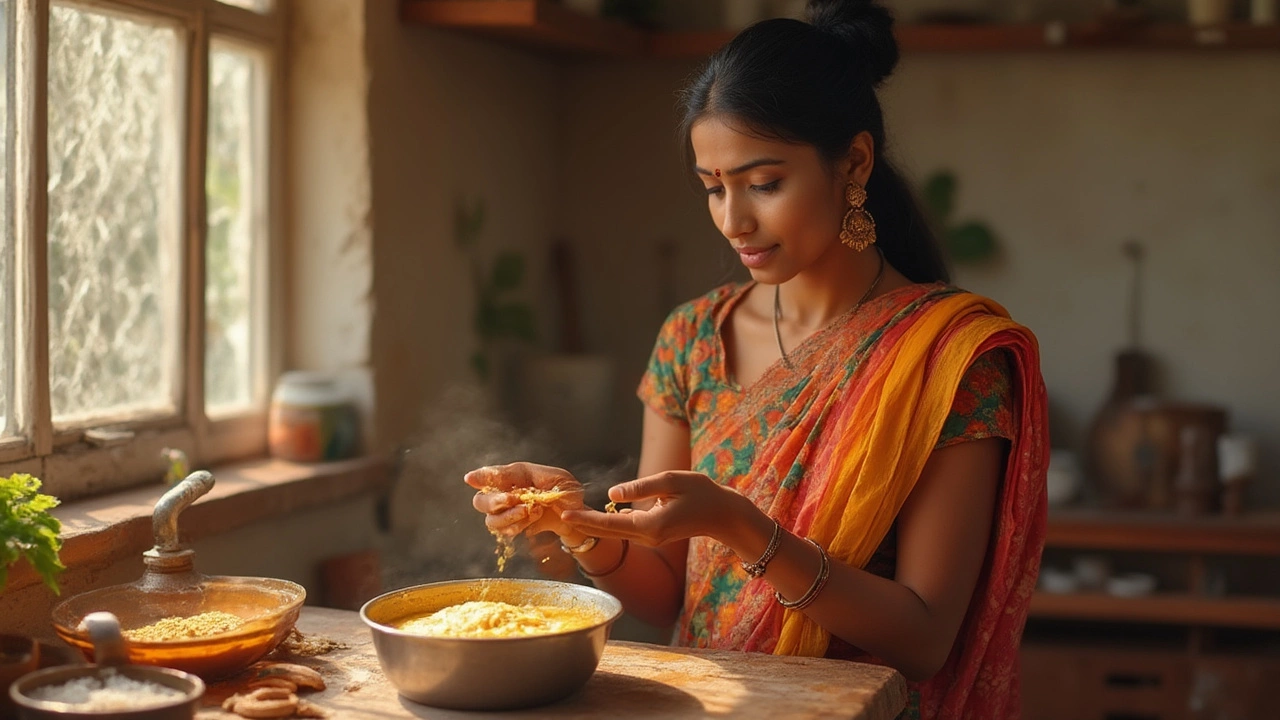
Why Your Dosa Batter Turns Rubbery: Causes, Fixes, and Pro Tips
Discover why dosa batter turns rubbery, how to fix it, and expert tips for perfect crispy dosas every time at home.