Dosa Batter Gone Bad: How to Tell, Fix, and Avoid Spoilage
When your dosa batter, a fermented mix of rice and lentils used to make crispy South Indian pancakes. Also known as fermented rice batter, it smells sour, looks slimy, or has pink or gray spots—you’re not imagining things. It’s gone bad. Fermentation is supposed to make it tangy and bubbly, not rotten. A little sourness? Normal. Mold, foul odor, or strange color? Time to toss it. This isn’t just about taste—it’s about safety. Bad batter can carry harmful bacteria that cause stomach issues, especially in warm, humid climates where dosa batter is most commonly made.
What causes dosa batter to spoil? Usually, it’s temperature, time, or contamination. If you left it out too long in summer heat, or used a dirty bowl, or didn’t rinse the rice and urad dal well, you invited trouble. Fermentation is a natural process, but it’s not magic—it needs clean tools, the right ratio of ingredients, and controlled warmth. In winter, it might take 12 hours. In summer, it could be ready in 6. But if it sits past 48 hours without refrigeration, especially in a humid kitchen, it’s playing with fire. Even if it looks okay, trust your nose. A sharp, alcoholic, or rancid smell? That’s not fermentation—that’s decay.
Can you fix it? Sometimes. If it’s just overly sour but still white and bubbly, add a pinch of salt and a splash of water, then let it rest for an hour. That can balance the flavor. But if you see mold—any fuzz, green, black, or pink spots—don’t try to scrape it off. Mold spreads invisible roots into the batter. No amount of stirring or heating will make it safe. Same goes for gray streaks or a slimy texture. Those are signs of bad bacteria. Better to make a fresh batch than risk food poisoning. And if you’re unsure? Make a small test dosa. If it tastes off, bitter, or just weird? Stop. Don’t serve it.
Prevention is way easier than cleanup. Always use clean, dry containers. Glass or stainless steel works best—no plastic unless it’s food-grade and thoroughly washed. Cover the batter with a cloth, not a lid, so it can breathe. Store it in the fridge after fermentation if you’re not using it right away. Cold slows down bad bacteria more than it slows good ones. A refrigerated batch can last up to 5 days. Freeze it for longer—portions in ice cube trays work great for quick thawing. And always, always use fresh ingredients. Old rice or stale urad dal won’t ferment well, no matter how long you wait.
You’ll find posts here that dig into what makes dosa batter work—the best oils for crispiness, how temperature affects fermentation, even what to do if your batter doesn’t rise. But before you cook, make sure your batter is good. No recipe, no matter how perfect, can save bad ingredients. This isn’t just cooking—it’s food safety. And if you’ve ever wasted a whole batch because you didn’t know the signs, you’re not alone. The good news? Once you learn what to look for, you’ll never guess again.
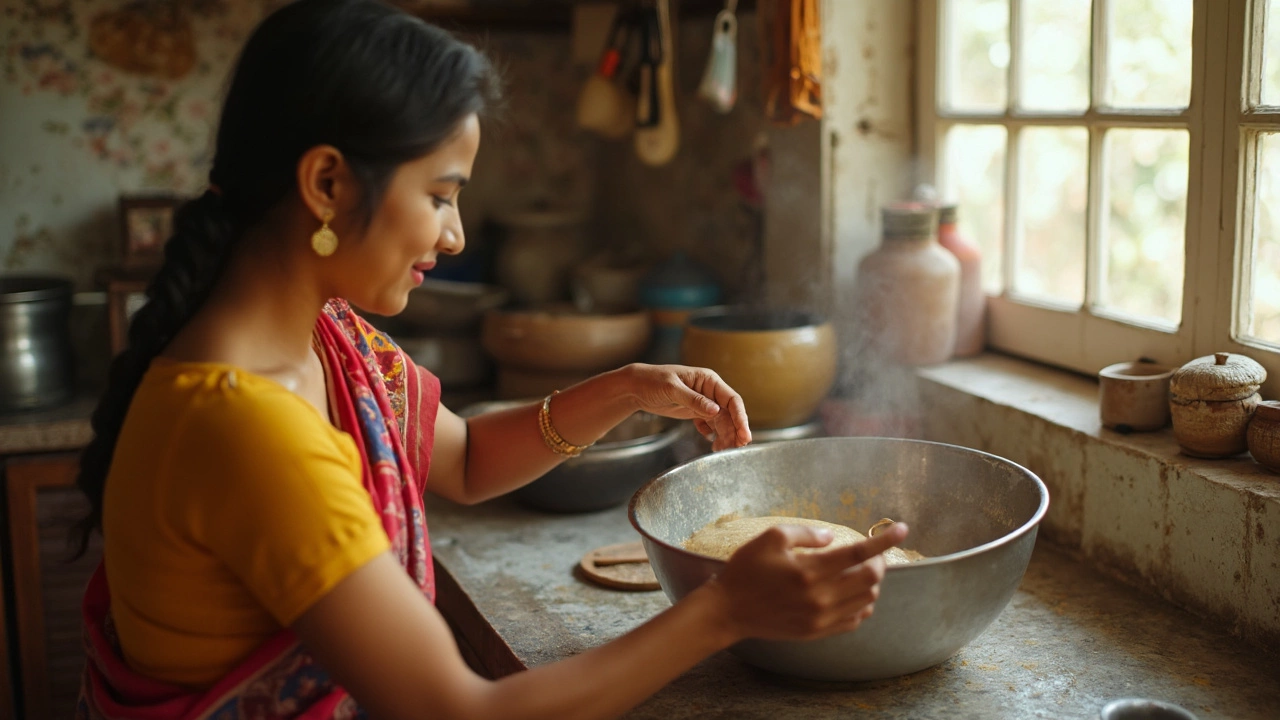
How to Tell If Dosa Batter Has Gone Bad: Easy Signs and Tips for Freshness
Ever wondered if your dosa batter is still good to use? This guide reveals the unmistakable signs of spoiled dosa batter, including smell, appearance, and taste. Learn expert tips to keep your batter fresher for longer and avoid any kitchen disasters. Get the facts, practical methods, and insider tips for perfect dosas every time. Don't risk your breakfast—know exactly what to check for before you put that pan on the stove.