Dal Recipe Critique: Fixing Common Mistakes and Mastering Indian Lentil Dishes
When you hear dal recipe critique, a detailed review of how Indian lentil dishes are prepared, where they fall short, and how to fix them, you’re not just reading about food—you’re diving into the heart of everyday Indian kitchens. Dal isn’t just a side dish. It’s the comfort food that feeds families, the protein-packed base of meals, and the first thing many Indian children learn to cook. But too many versions end up watery, bland, or overcooked—and that’s where the critique begins. Why does your dal taste flat? Why won’t it thicken? Why does it come out mushy even when you follow the recipe? These aren’t just cooking errors. They’re signs you’re missing the real techniques behind the dish.
The dal tadka, a tempering of spices fried in oil or ghee and poured over cooked lentils to unlock deep flavor is often the difference between good and great. Most people skip the tempering step or do it wrong—adding spices to cold oil, burning them, or using the wrong combo. A proper tadka uses cumin, mustard seeds, dried red chilies, and sometimes asafoetida, all sizzled until fragrant, not charred. Then there’s the dal consistency, the ideal texture of cooked lentils, ranging from thick and creamy to slightly soupy depending on regional style. In Punjab, dal is thick enough to spoon onto roti. In Tamil Nadu, it’s thinner, almost like a broth. Getting it right means understanding not just the water-to-lentil ratio, but also how long you simmer, whether you pressure-cook or slow-cook, and if you mash the dal at all.
And let’s talk about the spices. Many think dal is just turmeric and salt. It’s not. The real flavor comes from layering—roasting whole spices before grinding, adding ground spices at the right time, and finishing with fresh ginger or garlic. Some cooks add a pinch of sugar to balance acidity. Others use tomatoes or tamarind for depth. You won’t find these tricks in most online recipes. You’ll find them in the critiques of home cooks who’ve made the same dal a hundred times and finally got it right.
What you’ll find below isn’t a list of recipes. It’s a collection of honest, real-world critiques—posts that break down exactly what went wrong in a dal, why it happened, and how to fix it. From why your lentils never soften to why your tadka turns bitter, these articles come from people who’ve been there. No fluff. No theory. Just what works. Whether you’re new to dal or you’ve been cooking it for years, you’ll walk away knowing exactly where your technique needs a tweak—and how to make your next pot unforgettable.
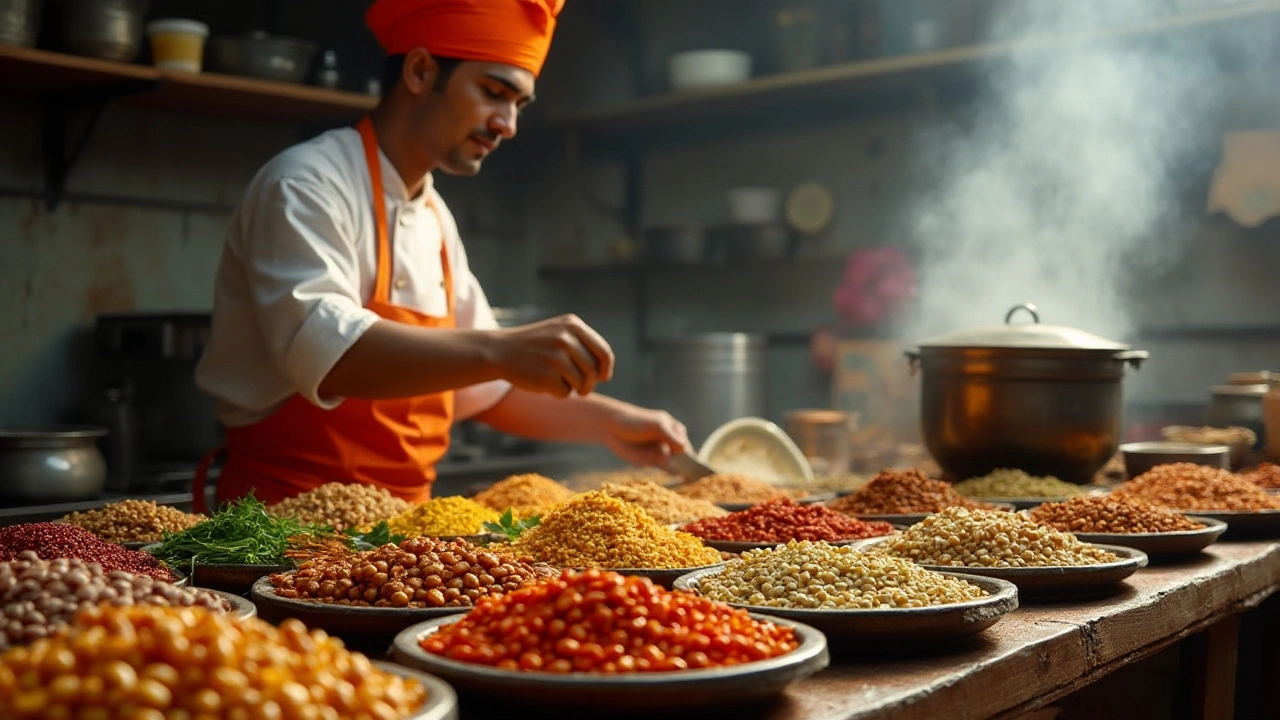
The Hidden Downsides of Delicious Dal: Are Pulses Harmful?
Pulses, while considered a staple in many cuisines, might pose certain health risks if consumed inappropriately. This article examines the potential downsides of pulses, commonly referred to in the culinary world as dal, and explores why these plant-based foods can be harmful. In addition, it provides insights into healthier preparation methods to mitigate these risks and enhance their nutritional benefits. Discover why it's essential to rethink how dal is integrated into diets, especially for those sensitive to certain components. Learn valuable tips to enjoy dal safely and deliciously.