Curry Powder: What It Is, How It’s Used, and What Really Goes Into Indian Curries
When you think of curry powder, a ground blend of spices commonly used in Indian and British-inspired cooking. Also known as curry spice mix, it’s often treated like a single ingredient—but it’s really a starting point, not the whole story. Most store-bought versions are a one-size-fits-all mix of turmeric, coriander, cumin, fenugreek, and chili, but real Indian kitchens rarely use it like that. Instead, cooks build flavor from scratch, toasting whole spices and grinding them fresh for each dish. That’s why a chicken curry made with freshly ground cumin and toasted mustard seeds tastes deeper than one made with a pre-mixed powder.
Curry powder is often confused with the spice blend, a custom mix of dried spices used to flavor curries and other dishes behind Indian curries. The truth? There’s no single Indian spice blend called "curry powder." That term was popularized by the British during colonial times to simplify a complex culinary tradition. In India, cooks use regional mixes like garam masala, sambar powder, or even just cumin and turmeric alone. These blends change based on what’s fresh, what’s in season, and what the family likes. A South Indian curry might use curry leaves and dried red chilies, while a Punjabi one leans on kasuri methi and Kashmiri chili powder. The chicken curry, a staple dish made by simmering chicken with spices, onions, tomatoes, and sometimes yogurt or cream you make at home doesn’t need curry powder—it needs layers. Start with whole spices fried in oil, add ground spices one at a time, then build with aromatics and acid. That’s how you get flavor that sticks to your spoon, not just your plate.
And here’s the thing: if you’re using curry powder because it’s convenient, you’re not doing anything wrong. But if you want your food to taste like it came from a home kitchen in Mumbai or Chennai, you’ll start to notice the difference. The posts below show you how real Indian cooks build flavor—whether it’s by using fresh turmeric instead of powder, why lemon juice makes a curry brighter, or how to fix a bland chicken curry without reaching for a jar. You’ll learn what spices actually make a dish pop, how to avoid the common mistake of burning your spices, and why some curries taste better the next day. No fluff. No filler. Just the facts, the fixes, and the flavor.
What Is the Most Important Spice in Curry? The One Spice That Changes Everything
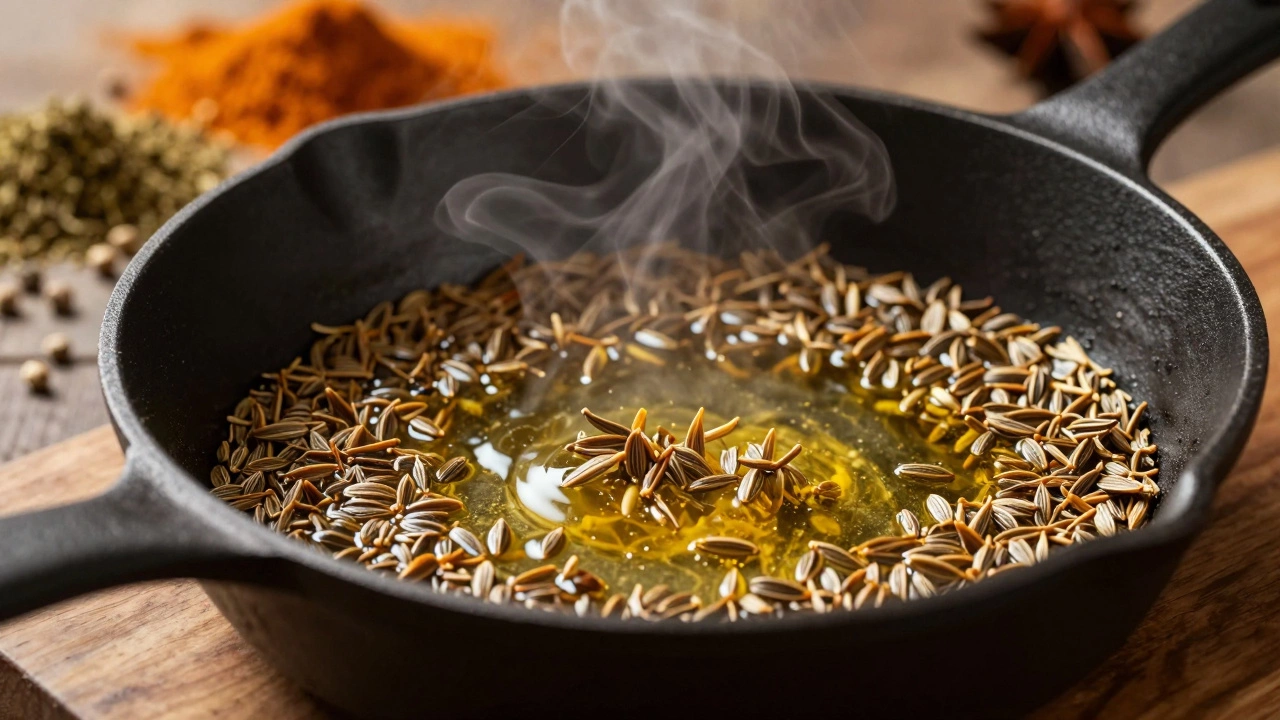
Cumin is the most important spice in chicken curry - it's the foundation of flavor that ties together every other ingredient. Learn why it's non-negotiable and how to use it right.