Chicken Health: What Really Matters for Safe, Flavorful Indian Cooking
When you buy chicken for a curry or tandoori dish, chicken health, the safety and freshness of poultry before it hits your pan. Also known as poultry safety, it’s not just about avoiding illness—it’s about unlocking the full flavor your recipe promises. If the chicken is old, poorly stored, or contaminated, no amount of garam masala or Kashmiri chili powder can fix it. You might end up with a bland, rubbery dish—or worse, a stomachache. Real Indian cooking starts long before the onion hits the oil. It starts with the chicken on the counter.
Chicken health ties directly to other everyday concerns in Indian kitchens. For example, food safety in India, how raw meat, eggs, and dairy are handled across homes and markets affects everything from your biryani to your breakfast eggs. A 2022 study by India’s Food Safety and Standards Authority found that over 30% of raw chicken samples in urban markets had traces of harmful bacteria—mostly from improper chilling or cross-contamination. That’s why storing chicken in the fridge at or below 4°C, using separate cutting boards, and cooking it to at least 74°C isn’t optional—it’s the first spice in your recipe. And don’t forget egg safety in India, how eggs are stored and handled alongside meat in the same fridge. If you’re using eggs in marinades or binding curries, their safety impacts your chicken too.
Even the most aromatic chicken curry falls flat if the meat wasn’t fresh to begin with. Tandoori chicken gets its color from spices, but its texture? That comes from how the chicken was handled before marinating. If it’s been sitting too long or thawed improperly, it’ll turn dry and stringy, no matter how long you let it sit in yogurt and lemon. The same goes for biryani—those tender chicken pieces you dream of? They only happen when the meat was clean, cold, and fresh when you bought it.
You won’t find chicken health on a recipe card. But every top Indian home cook knows it. They check the smell before buying. They rinse only if they must—and never soak. They separate raw meat from veggies in the fridge. They cook it through, not just until it looks done. This isn’t about fear. It’s about respect—for the ingredients, for the tradition, and for your own body.
Below, you’ll find real posts from home cooks and chefs who’ve faced the same questions: Why does my chicken taste off? Is that red color in tandoori chicken safe? How do I know if my chicken is still good after three days? These aren’t just cooking tips—they’re survival guides for anyone who cooks Indian food regularly. Let’s get you cooking with confidence, not guesswork.
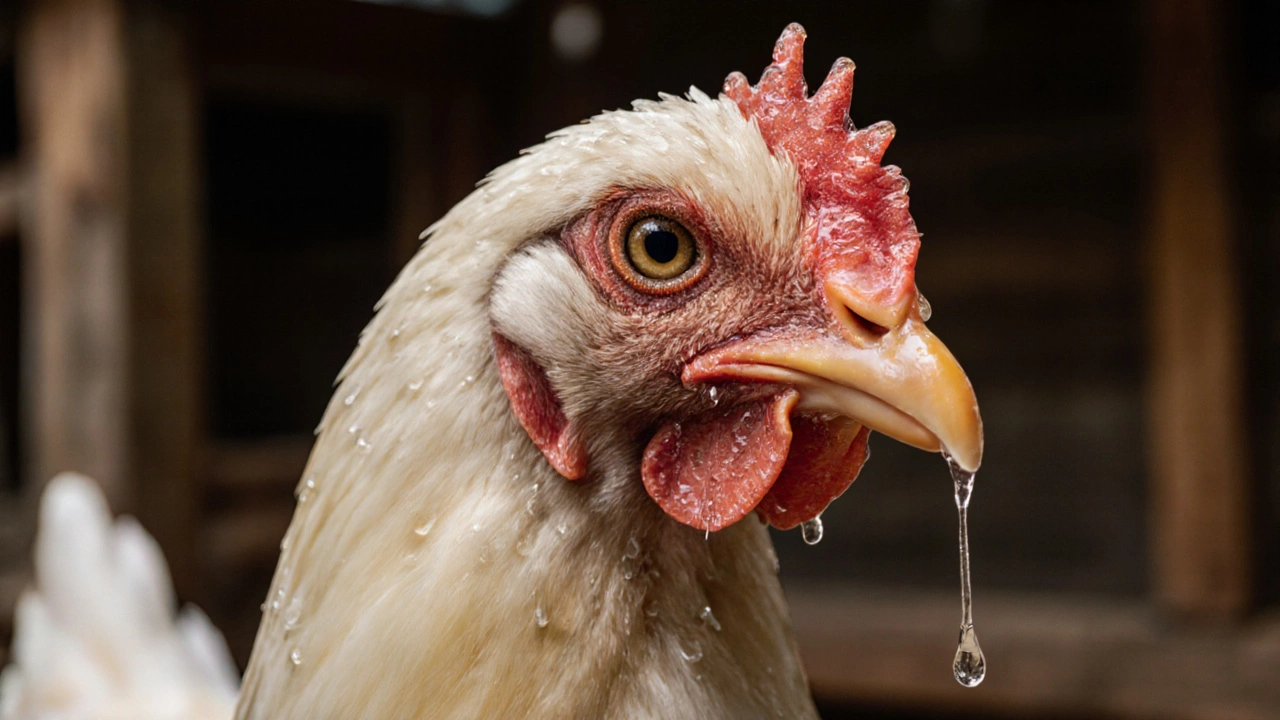
What Is the Liquid Coming Out of My Chicken’s Mouth? (It’s Not What You Think)
Clear liquid from a chicken's mouth isn't poison-it's usually mucus or crop fluid from stress or cold. Learn when it's harmless and when to discard the bird before cooking.